
What would it actually feel like to be the first person to fly? Not in a plane someone else built, not as a passenger - but to be the guy who figured it out, who strapped himself to something impossible and left the ground?
I was stuck on a delayed Caltrain at 7AM, watching the fog roll across the bay, when Filmer hit me with that question. And honestly? Wells' answer isn't what I expected.
The Original "Move Fast and Break Things" Story
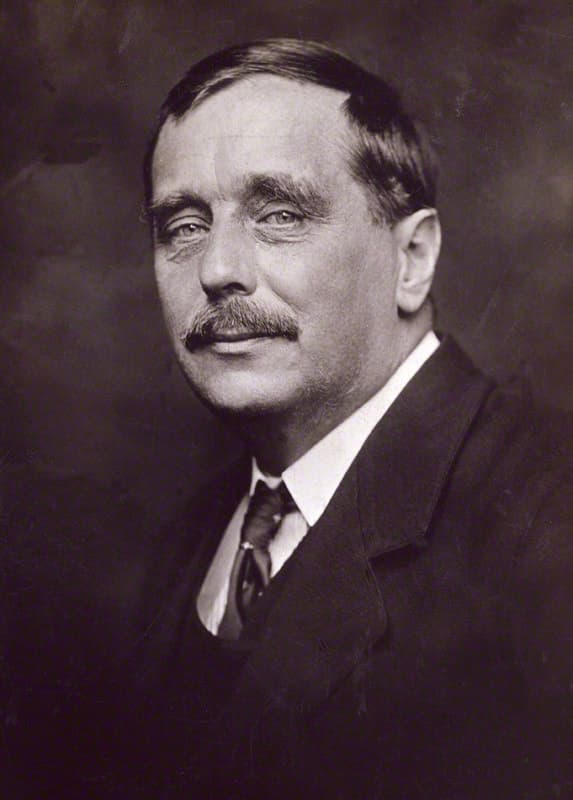
Filmer is basically a startup founder origin story, except it's from 1901 and the product is human flight. Our protagonist isn't some confident visionary - he's a nervous, obsessive tinkerer who keeps his invention secret because he's terrified of what people will think. Wells gets into the psychology of innovation in a way that felt weirdly relevant to my day job. The imposter syndrome, the secrecy, the fear that someone will steal your idea or - worse - laugh at it.
The story's short (this is part of a larger collection, so don't expect a 6-hour deep dive into just Filmer), but Wells packs in genuine tension. There's this scene where Filmer is testing his machine in secret, at night, and you can feel his hands shaking. The science is obviously dated - this is pre-Wright Brothers speculation - but the emotional logic holds up completely. This is a man who wants to change the world but isn't sure he can survive the attention.
Various Readers, Variable Mileage
Here's where I have to be honest: the research on this specific story's narration is thin. The collection features heavy hitters - Hugh Bonneville, David Tennant, Jason Isaacs, Sophie Okonedo - but I couldn't pin down who specifically reads Filmer. What I can tell you is that Wells' prose benefits from British gravitas, and this cast has it in spades. Bonneville's been noted for "narrative gravitas" in other Wells works, and that formal Victorian register is exactly what this story needs.
The "Various Readers" tag usually makes me nervous (it can mean inconsistent quality), but the AudioFile Earphones Award for the broader Wells collection suggests the production team knew what they were doing. Some listeners have noted occasional mispronunciations and pacing issues in Wells audiobooks generally. At 1.5x, the pacing felt fine to me, but your mileage may vary.
The ROI on This Audiobook
Look, this is public domain Wells - you're not paying premium prices here, and you shouldn't expect premium production. What you get is a fascinating piece of speculative fiction history. Wells was imagining human flight before it existed, and he was more interested in the psychological cost than the mechanical details. That's surprisingly sophisticated for 1901.
The 6+ hour runtime covers multiple stories, not just Filmer, so you're getting a sampler of early sci-fi. Perfect for commutes, gym, any time you want your brain engaged but not overwhelmed.
Queue It or Skip It?
Sci-fi completionists who want to understand where the genre came from - this is essential listening. Same goes for anyone into the history of technology and innovation (and the human weirdness behind it). Filmer specifically will scratch that itch. But if you need action-packed pacing and modern sensibilities, Wells' formal Victorian prose might feel like a slog. Also skip if you need something for deep work - this demands you actually listen.
I finished this story in one commute and immediately wanted to look up the actual history of early aviation attempts. That's the mark of good speculative fiction - it makes you curious about the real world it's speculating about.
The Commit Message
Filmer is a 120-year-old story about a guy who's afraid to show people his impossible invention. It shouldn't feel this relevant to anyone who's ever sat on a feature branch too long because they weren't sure the code was good enough. Wells understood something fundamental about innovation: the hardest part isn't the technology. It's convincing yourself you're allowed to change things. That same tension between self-doubt and world-changing ambition shows up in Star Wars: Heir to the Jedi, where Luke's figuring out the Force mostly by failing in private.
Worth your commute? Yeah. Especially if you've ever been the person with the weird idea no one else believed in yet.