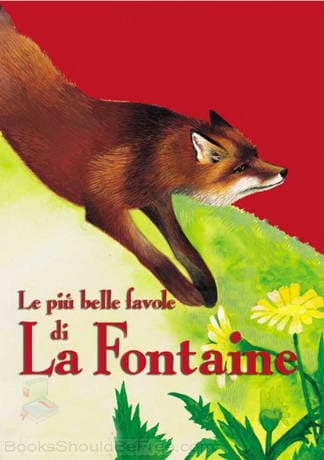

I'll admit something embarrassing: I spent twenty years teaching English and never properly sat with La Fontaine. Sure, I knew "The Fox and the Grapes" - who doesn't? - but the actual collected fables? In French verse tradition? I'd been coasting on secondhand knowledge like a student who only read the SparkNotes. (Don't tell my AP Lit kids.)
So when I stumbled across this 40-minute Italian-language recording while scrolling for something light during a late Saturday morning walk along the lakefront, I figured - why not? Denise was ahead of me chasing our dog away from a goose, and I had nowhere to be.
Forty minutes later, I was standing at the Montrose harbor staring at nothing, genuinely moved by what amounts to a collection of morality tales about foxes and crows and frogs.
Aesop's Sharpest Grandson
Here's what surprised me: I expected didactic fables - you know, the kind where the moral hits you over the head like a substitute teacher with a ruler. But La Fontaine is doing something sneakier than Aesop ever managed. These aren't just "don't be greedy" stories. They're political satire dressed in animal fur. The fox isn't just clever - he's a courtier. The lion isn't just powerful - he's Louis XIV with fangs. La Fontaine published these between 1669 and 1693, which means he was writing thinly veiled critiques of the French court while the Sun King was literally building Versailles. The audacity.
This is why we still read the classics. Because a 350-year-old story about a wolf arguing with a lamb about who muddied the stream is still - and I mean this literally - about every power dynamic playing out in every school board meeting, every corporate office, every political debate you've ever witnessed. The wolf eats the lamb not because the lamb did anything wrong, but because the wolf can. La Fontaine doesn't moralize about this. He just shows it. That same unflinching honesty about power and society - dressed up in storytelling that seems almost too accessible - is exactly what Twain was doing two centuries later in Adventures of Huckleberry Finn. Let's talk about what the author is really saying: might doesn't make right, but it makes reality.
My students would hate this. I love it.
The 40-Minute Question
Let me be straight about the format: this is a LibriVox community recording, read in Italian by Paolo Fedi. At 40 minutes, you're getting a curated selection from the twelve volumes, not the complete works. That's both the strength and the limitation. You get the greatest hits - the fables that have survived centuries because they're genuinely the sharpest - but you lose the cumulative effect La Fontaine was building across those volumes, the way recurring animal characters create a whole social ecosystem.
The narration is... functional. I don't have enough information about the specific narrator to give you a detailed performance breakdown, and I won't pretend otherwise. What I can tell you is that the Italian language lends these fables a musicality that French sometimes keeps too tight - the vowels open up, the rhythm breathes differently. Whether that's the narrator's skill or just the nature of Italian, I honestly can't separate. The recording has that unmistakable LibriVox quality - earnest, volunteer-produced, no sound design or music. Just a voice and the words.
And you know what? For fables, that's actually appropriate. These were written to sound spoken. They started as oral tradition before La Fontaine ever put quill to paper. A single voice telling you why the ant was right to save for winter and the grasshopper was a fool - that's how this material was meant to land.
Who Gets the Most From This
If you're a classics reader who wants to check a box - yes, you can absorb the essential La Fontaine fables during a coffee break. If you're someone who speaks Italian or is learning it, the clear prose style makes this genuinely useful listening practice. If you loved Aesop as a kid and wonder what a 17th-century French poet did with those same bones, this is the answer: he made them political, funny, and weirdly modern.
But if you want a polished audiobook experience with professional production values, this isn't that. If you want the complete fables with scholarly context, you'll need a longer recording. And if you don't have at least some Italian comprehension, this particular version won't serve you well - though honestly, the fables are short enough and familiar enough that you might follow more than you'd expect.
Worth Pausing the Faculty Meeting For?
Not quite - but worth a lakefront walk, absolutely. This is a free recording of one of the foundational works of Western literature, performed with sincerity if not virtuosity. The material is brilliant: La Fontaine took children's stories and turned them into some of the most precise social criticism of the 17th century. At 40 minutes, the commitment is negligible and the payoff is real. I walked away thinking about power, vanity, and self-deception - which is exactly what La Fontaine intended 350 years ago. The prose deserves to be savored, even in this modest packaging.
Now if you'll excuse me, I have a Faulkner episode to record that will put my mother to sleep.