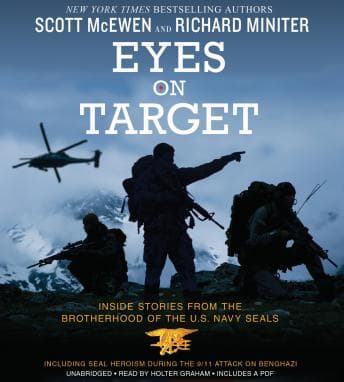

Okay, so this is way outside my usual lane. Like, way outside. I was working on a branding project for a veteran-owned business last week, and the client kept referencing this book, so I figured I'd give it a shot. Frida gave me the most judgmental look when I started it - she knows I'm usually deep in some slow-burn romance or a memoir that'll make me ugly-cry into my coffee.
But here's the thing. I did cry. Not the way I expected, but still.
When the Stories Hit Different
Look, I'm not a military history person. I don't know tactics, I can't tell you the difference between various operations, and honestly, a lot of the political stuff in this book went over my head. But the human moments? Those got me. That's the kind of emotional gut-punch I found in Short and Tragic Life of Robert Peace too—stories about people making impossible choices under pressure. There's this chapter about one Medal of Honor winner saving another - the only time that's happened in U.S. military history - and I had to pause my design work because my eyes were blurring.
The Benghazi section hit hard too. Not for the political reasons everyone argues about, but because there's a retired SEAL sniper with a small team, making radio calls for help that just... never come. And he keeps fighting anyway. That kind of desperate hope mixed with duty? That's the stuff that breaks me. Talking to Strangers explores that same tension between what we think we understand about people and the messy reality of their choices. My abuela would have understood that kind of loyalty, even if she'd have been clutching her rosary through the violence.
The book reads more like a collection of stories than one cohesive narrative, which - honestly? - worked for my scattered brain during design sessions. I could zone out during the more technical tactical stuff and then snap back when it got personal again.
Holter Graham's Steady Command
Holter Graham narrates this, and he's got this authoritative, steady delivery that feels right for the subject matter. It's not warm and honey-voiced like my beloved Julia Whelan (obviously), but it's solid. He brings a certain gravity to these stories that they deserve.
That said, the pacing drags in some sections - particularly when the book gets into the more analytical, political territory. Graham keeps the same measured tone throughout, which works for the action sequences but made some of the slower policy discussions feel even slower. I found myself reaching for my phone during those parts. (Don't tell anyone, but I checked Instagram like four times during the Benghazi timeline section. The information is important, but the delivery felt a bit... textbook-y.)
His voice is clear and easy to follow, though. No weird audio issues, no distracting production problems. Just straightforward narration that gets out of the way of the stories.
The Vibes Are... Complicated
This book felt like sitting in a room with someone's tough, stoic grandfather who's finally decided to tell you what he actually did during the war. There's pride there, and grief, and this fierce protectiveness that comes through even in the more matter-of-fact passages.
But I'll be honest - some of it reads a bit like hero worship without enough critical examination. The SEALs are presented as basically superhuman, and while I get that's kind of the point, I found myself wanting more complexity. More of the messy human stuff. The book touches on losses and failures, but it doesn't really sit with them the way I wanted it to.
For people who are super into military history and SEAL operations specifically, this is probably exactly what you want. The access to people like Richard Marcinko (founder of SEAL Team Six) and Ryan Zinke is genuinely impressive. These are firsthand accounts that you're not going to get elsewhere.
For someone like me, who wandered in looking for emotional resonance? I got some of that. But I also got a lot of tactical detail that I'll never retain and political framing that felt a bit one-sided.
Who This Is (and Isn't) For
If you're into military memoirs, if you want to understand what drives these operators, if the idea of learning about the birth of SEAL Team Six sounds fascinating - this is your book. At just over six hours, it's a pretty quick listen too. But if you're like me and you need emotional depth to carry you through, maybe sample first. The powerful moments are genuinely powerful. I just wished there were more of them, and that the book lingered in those spaces longer instead of rushing to the next mission briefing.
My client loved hearing my thoughts on it, though. So at least it served its purpose. And Diego finally stopped judging me from the windowsill around hour four, so I'll call that a win.








![Steve Jobs [unabridged audiobook] audiobook cover](/_next/image?url=https%3A%2F%2Fcovers.audiobooks.com%2Fimages%2Fcovers%2Ffull%2F9788499923406.jpg&w=1920&q=75)