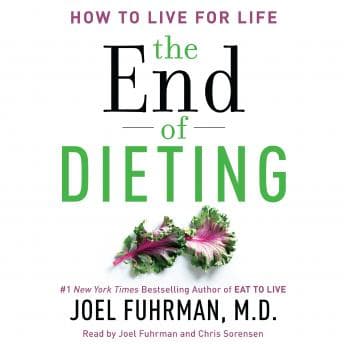

My dad has Type 2 diabetes. Has had it for twelve years. He manages it the way his doctor told him to - metformin, portion control, A1C checks every three months. When I handed him Fuhrman's book (well, summarized it over kalbi at Sunday dinner), he looked at me like I'd just told him to quit the dry cleaning business and become a yoga instructor. That look - skepticism earned through decades of hard work and practical survival - is basically the lens I bring to every health book that promises to "end" anything. I brought that same skepticism to Piece of Cake, another memoir-adjacent narrative where someone's hard-won survival instincts get tested by advice that sounds too clean to be true.
So here's the bottom line: Fuhrman's nutritarian approach is backed by real clinical data, and unlike most diet books, he doesn't bury the actionable stuff under twelve chapters of scare tactics. But the title oversells it. You're not ending diabetes. You're adopting a nutritional framework that can dramatically improve outcomes for Type 2 patients and potentially reduce or eliminate medication dependence. That's a huge deal. It's just not the same as "ending" a disease, and the distinction matters.
The Part Where My Parents' Grocery Bill Gets Vindicated
Fuhrman's core argument is his nutrient density model - what he calls the "nutritarian" diet. High micronutrient-per-calorie ratio. Greens, beans, onions, mushrooms, berries, seeds. The GBOMBS acronym. It's catchy enough that I actually remembered it two weeks later, which is more than I can say for most acronyms in business books.
What surprised me: his case against the standard ADA dietary recommendations is genuinely compelling. He argues that the conventional "control your carbs and take your insulin" approach is managing symptoms rather than addressing root causes, and he brings receipts - patient case studies with specific A1C drops, medication reductions, weight loss numbers. One patient went from an A1C of 11.2 to 5.8 in fourteen months. If a startup showed me those metrics on a turnaround, I'd be writing a check.
But here's what bugged me - and I was listening to this at 1.75x while prepping a client deck at midnight, so maybe the sleep deprivation made me prickly - he repeats core concepts aggressively. The nutrient density argument gets made in chapter one, then again in chapter three, then again through patient stories, then again in the meal plan section. I get it. GBOMBS. Greens are good. You had me at the first scatter plot.
Chris Sorensen Does the Heavy Lifting
Sorensen narrates the bulk of this, with Fuhrman handling the introduction. And honestly? Sorensen is the right voice for medical content. Clean, measured, no dramatic inflections trying to make broccoli sound exciting. He reads clinical data the way it should be read - clearly and without editorializing. Three AudioFile Earphones Awards tell you the guy knows what he's doing.
Fuhrman's own narration in the intro is fine. He sounds like a doctor who's passionate about vegetables, which is exactly what he is. No complaints, but Sorensen carrying the main content was the right call.
The production is straightforward - no music, no sound effects, no dramatic pauses. For a health book, that's exactly what you want. I don't need cinematic scoring over a recipe for bean soup.
Where the Consulting Brain Gets Twitchy
Here's my issue. Fuhrman presents his nutritarian approach as essentially THE answer, and he's dismissive of competing frameworks in a way that feels more ideological than scientific. Low-carb advocates get treated like flat-earthers. The Mediterranean diet gets a polite nod before being told to sit down. And while his data on nutrient density is strong, the "this one diet fixes everything" framing is the same pattern I've seen sink a hundred startups. Mono-solution thinking. Real life is messier.
Also - and this is the part where Jenny would say I'm being harsh (Jenny is right) - the socioeconomic reality of eating this way gets about three paragraphs of acknowledgment. My parents worked 14-hour days. They ate what was fast, cheap, and available in Koreatown. Telling someone to build their diet around organic greens and specialty seeds when they're working two jobs is... incomplete advice. Fuhrman isn't wrong on the science. He's just writing from a position where access isn't the primary constraint.
At 7 hours and 36 minutes, the book could've been tighter. The key takeaway is worth the listen. The other 7 hours? Not so much. Skip to the GBOMBS framework and the patient case studies. The meal plans in the back third are genuinely useful if you're ready to commit.
Who This Is Actually For
If you're pre-diabetic or managing Type 2 and you've never seriously explored nutritional intervention beyond what your doctor's pamphlet says - this is worth your time. Genuinely. The patient outcomes are striking, and the dietary framework is concrete enough to actually implement.
If you're looking for a balanced overview of dietary approaches to metabolic health, or if you're already deep in the nutrition literature - you'll find this one-sided and repetitive.
The ROI Calculation
I sent my dad the GBOMBS list. He sent back a thumbs up emoji and a photo of his lunch: white rice, spam, and kimchi. We're working on it. The book didn't end diabetes in the Park household, but it gave me better ammunition for Sunday dinner arguments. That's worth something.