
This book made me uncomfortable. And I mean that as a compliment.
I've spent twenty-five years in uniform, three combat deployments, and now I run a security firm. I'm not exactly the target demographic for a progressive manifesto on political framing. But here's the thing - Lakoff isn't preaching. He's teaching. And any operator worth their salt knows you study the enemy's playbook, your ally's playbook, and everyone in between.
Driving back from a client site in Houston - four hours of Texas highway stretching ahead of me - I figured I'd give this a shot. Ranger was asleep in the back, and I had nothing but time and a thermos of black coffee.
Why a Conservative Should Read This Liberal Playbook
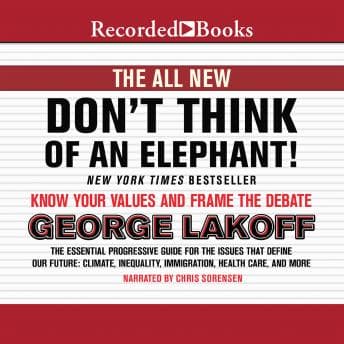
Let me cut to the chase: Lakoff's central thesis is that facts don't win arguments. Frames do. The way you package an idea determines whether it lands or bounces off. He uses the "strict father" versus "nurturing parent" model to explain why conservatives and progressives talk past each other constantly.
I've briefed generals who couldn't grasp basic tactical concepts because they were stuck in their own mental framework. I've watched politicians on both sides completely bungle messaging on veteran issues. Lakoff explains why this happens with the precision of an intel analyst. That same analytical precision - applied to understanding how narratives shape our view of history - is what makes Bury My Heart at Wounded Knee so powerful. The cognitive science backing isn't hand-wavy stuff - this is a Berkeley professor who's spent decades studying how the brain processes political language.
Does he have a progressive agenda? Absolutely. He's not hiding it. But the mechanisms he describes work regardless of which side you're on. When he breaks down why "tax relief" beats "tax burden" in public discourse, or why "death tax" crushed "estate tax" - that's just good tactical analysis. I found myself nodding along, thinking about how we frame security proposals to corporate boards.
Sorensen Keeps It From Becoming a Lecture
Chris Sorensen's narration saved this from being a dry academic slog. His voice has this quality - authoritative but not condescending - that made me feel like I was getting a briefing from a smart colleague rather than being talked down to by an ivory tower academic. Complex cognitive linguistics concepts came across clearly. No small feat.
The book clocks in at just under seven hours. Tight. No fat. Lakoff makes his point, supports it, moves on. I appreciated that. Too many political books these days are 400 pages of padding around a 50-page idea.
I listened at my usual 1.25x and it tracked fine. Sorensen's pacing is measured enough that you can speed it up without losing the thread.
Where It Lost Me
Here's where I push back. Lakoff occasionally falls into the trap he warns against - assuming his side has the moral high ground and the other side just doesn't understand their own interests. The section on why people "vote against their interests" rubbed me wrong. Maybe - and hear me out here - people have different values and priorities, and what looks irrational from one frame makes perfect sense from another.
He acknowledges this intellectually but doesn't always practice it in his examples. The Tea Party analysis felt dated even for a 2014 update, and some of his predictions about political trends haven't aged well. That's the risk with any politically timely book.
The audiobook doesn't include the visual frames and diagrams from the print edition. You can follow along fine, but occasionally Sorensen has to describe something that would've been clearer on paper.
Who Should Deploy This Intel
If you work in any field involving persuasion - sales, politics, security consulting, hell, even parenting - the core concepts here are worth your time. Progressives will find a tactical manual. Conservatives will find a window into how the other side thinks (and some techniques worth borrowing). Anyone sick of watching political debates go nowhere will understand why.
Skip it if you want red meat that confirms your existing beliefs. This is analysis, not ammunition.
Mission Debrief
I finished this book somewhere around Bastrop, Ranger still snoring, coffee long cold. Did it change my politics? No. Did it change how I think about communicating ideas? Absolutely. Lakoff gave me a new lens for understanding why certain arguments land and others don't - and that's valuable intel regardless of which side you're on.
Worth your time? If you're willing to engage with ideas you might disagree with, yes. If you just want to feel good about your existing positions, look elsewhere. Ranger gave it a passing sniff of approval. That's about as high as his endorsements go.







![Steve Jobs [unabridged audiobook] audiobook cover](/_next/image?url=https%3A%2F%2Fcovers.audiobooks.com%2Fimages%2Fcovers%2Ffull%2F9788499923406.jpg&w=1920&q=75)