
I was grading sophomore essays on The Great Gatsby - something about the green light and the American Dream, you know the drill - when I decided I needed something completely different in my ears. Something that had absolutely nothing to do with symbolism debates or comma splices. So I started this 13-hour journey through military history, and honestly? It was exactly the mental palate cleanser I needed.
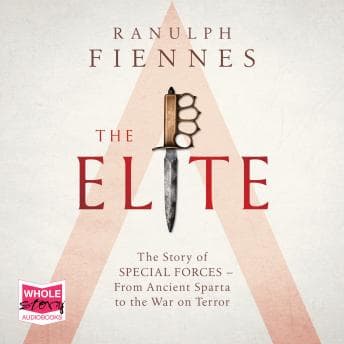
Sir Ranulph Fiennes writes about elite military units the way I wish my students would write about Fitzgerald - with genuine passion and the kind of authority that only comes from lived experience. The man served in the SAS. He's not some armchair historian cobbling together Wikipedia entries. And you can feel that difference in every chapter.
From Sparta to the SAS (And Everything Between)
Here's the thing about sweeping historical surveys - they can feel like you're reading a textbook. Fiennes avoids this trap by treating each unit as its own story rather than just a bullet point in a timeline. The Spartans get their due, sure, but so do the Assassins and the Templar Knights. And the way he connects these ancient warriors to modern special forces? It's the kind of thematic through-line I try to teach my kids about. (Don't tell them I found it in a military history book. They'll never let me hear the end of it.)
The sections on more recent operations - SAS missions, Navy SEAL operations - feel particularly alive. Fiennes clearly knows this world intimately, and his personal connection to special forces through his father adds an emotional layer that pure historians can't replicate. It's biography wrapped in history wrapped in adventure narrative.
Peter Noble Does the Heavy Lifting
Let's talk about the voice in my head for 13 hours. Peter Noble has that classic British narrator quality - measured, authoritative, the kind of voice that makes you believe everything being said. His pacing works well for this material. Military history can get dense, and Noble gives you room to absorb the tactical details without rushing through.
I've seen some folks mention his accent can grate after a while. Honestly? I didn't have that problem. Maybe it's because I'm used to listening to British productions of Victorian novels. Maybe I'm just immune at this point. But for me, Noble's delivery felt right for the subject matter - serious without being stuffy, engaging without being theatrical.
That said, I couldn't find much about Noble's other work or specific technique details online. What I can tell you is that he handles the transitions between historical periods smoothly, and when Fiennes gets into the more personal, reflective passages about his father's service, Noble adjusts his tone appropriately. That's the mark of a narrator who's actually reading the material, not just performing it.
Where It Drags (Because It Does)
Look, 13 hours is a commitment. And not every chapter maintains the same energy. Some of the earlier historical sections - particularly the medieval units - felt a bit like they were checking boxes. Yes, the Templars are interesting. Yes, the Assassins have a fascinating origin story. But Fiennes clearly comes alive when he's discussing 20th-century operations, and you can feel the difference.
I also noticed some reviewers mentioning inconsistent production quality - certain chapters sounding different from others. I can't say I noticed anything dramatic, but I was also listening while walking the lakefront with Denise, so ambient noise might have masked it. Something to be aware of if you're an audio purist.
Who This Is For (And Who Should Skip)
If you loved Lone Survivor or any of the Marcus Luttrell books, this scratches a similar itch but with broader historical scope. It's less personal memoir, more sweeping survey, but with enough firsthand credibility to feel authentic. Skip it if you want tight, focused narrative - this covers 2,500 years, and some chapters earn their place more than others.
My students would probably zone out during the ancient history sections. But anyone with genuine interest in military history, or anyone who wants to understand why special forces units operate the way they do, will find this worthwhile. Fiennes connects the dots between ancient warrior codes and modern elite training in ways that feel earned rather than forced. That same focus on earned authority—not just posturing—is what made 50th Law work for me too.
The Teacher's Take
I finished it during a particularly brutal week of parent-teacher conferences. The irony of listening to stories about covert operations while smiling through small talk about missing homework wasn't lost on me. Sometimes you need to hear about people doing genuinely difficult things to put your own daily struggles in perspective.
Not every chapter is essential. But the best ones? They remind you why we still tell stories about warriors, from Homer to Hollywood. And that's worth the 13-hour investment.