
"What then is truth? A mobile army of metaphors, metonymies, anthropomorphisms."
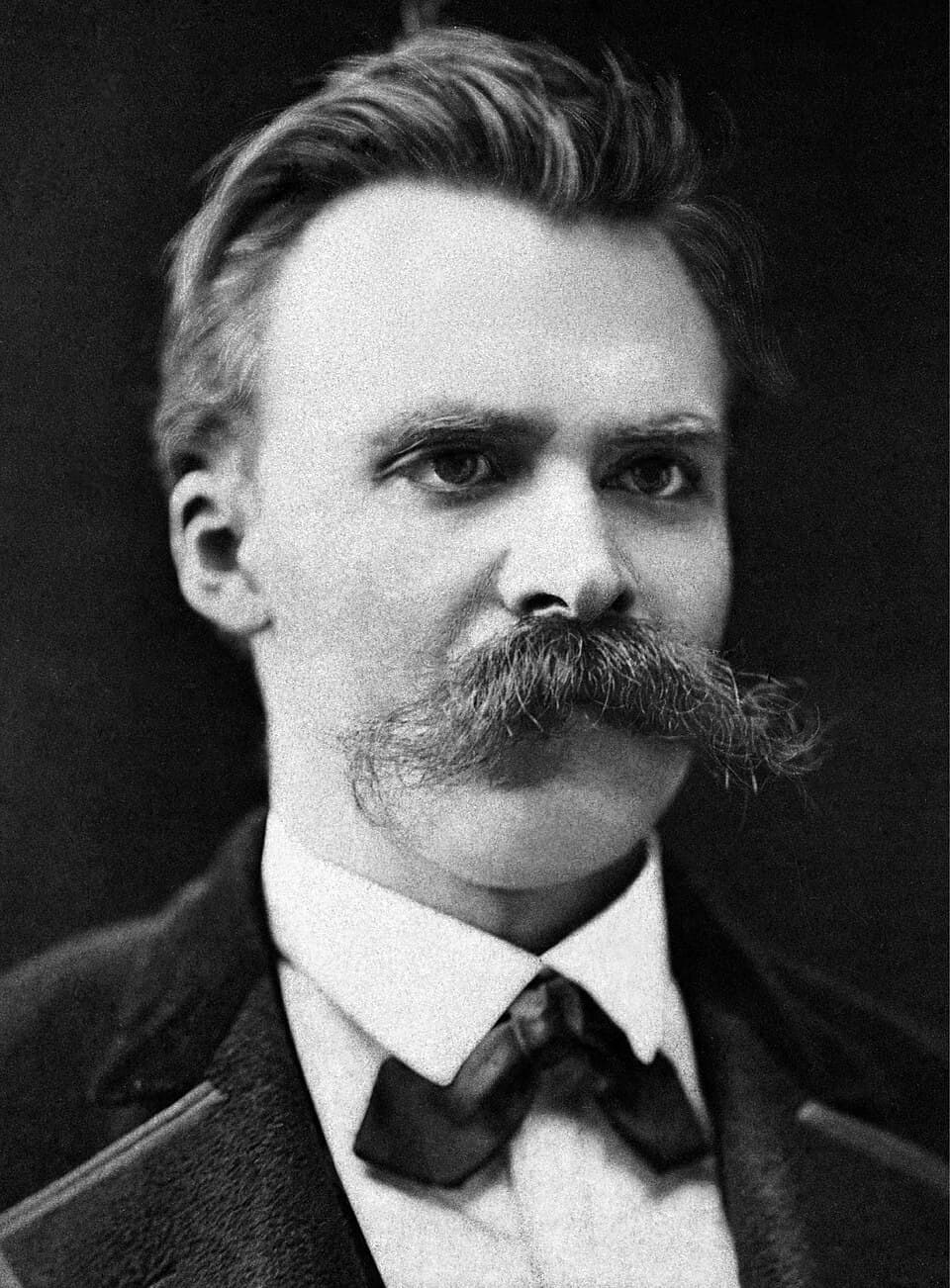
I was somewhere around mile three of my morning jog through Cambridge when Nietzsche dropped that line, and I literally stopped running. Just stood there on the path like an idiot, breathing hard, replaying it. Because here's the thing - I study how humans construct narratives about themselves, and young Nietzsche basically just summarized my entire dissertation in one sentence. Written in the 1870s. Before psychology was even a proper discipline.
Look, I'll be honest. I picked up Early Greek Philosophy and Other Essays expecting dense, impenetrable German philosophy. The kind of thing you suffer through because it's good for you, like intellectual vegetables. And parts of it are exactly that. But what surprised me - genuinely surprised me - was finding the seeds of ideas I recognize from modern psychology scattered throughout these early fragments.
The Young Philosopher's Case Study
This collection is basically Nietzsche in his twenties and early thirties, before he became Nietzsche with all the cultural baggage that name carries. And psychologically, this doesn't track with the nihilist caricature most people have in their heads. These essays read like someone desperately trying to understand why humans need stories at all. Why we create myths. Why we lie to ourselves and call it truth.
The essay on truth and falsity? It's a fascinating case study in how a brilliant mind starts questioning the foundations everyone else takes for granted. Nietzsche's arguing that language itself is a kind of collective fiction we've all agreed to believe in. (My therapist would have thoughts about this - specifically that maybe not everything needs to be deconstructed, Friedrich.)
What makes this collection compelling is watching him work through the Greeks not as dead historical figures but as psychological types. He's doing character analysis on Heraclitus and Thales the same way I'd analyze a protagonist's motivations. This comparative approach - using ancient thinkers as mirrors for modern problems - is still how a lot of philosophy pedagogy works today. Nietzsche basically invented a method here.
Jim Locke's Voice in My Head
Okay, so the narration. Jim Locke has this clear, measured delivery that works pretty well for dense philosophical content. You can follow the arguments without getting lost, which honestly isn't nothing when you're dealing with 19th-century translation prose. The audio quality is crisp - no complaints there.
But - and this is where I have to be real - some reviewers have called his delivery a bit dry, and I can see it. There's a steadiness to his reading that's great for comprehension but occasionally flattens the moments where young Nietzsche is being genuinely provocative or even funny. (Yes, Nietzsche can be funny. Dark, weird funny, but still.) I found myself wishing for a little more dynamic range during the more passionate passages.
That said, for philosophy audiobooks, I'll take clear and slightly monotonous over dramatic and confusing any day. I could actually think while listening, which is the whole point.
Where It Dragged (And Where It Flew)
I'm not going to pretend this is a page-turner. Some essays - particularly the more technical ones on pre-Socratic philosophers - require serious attention. I had to relisten to sections while cooking dinner because I'd zone out chopping onions and suddenly realize I'd missed an entire argument about Parmenides.
But "Truth and Falsity in an Ultramoral Sense" and "The Greek Woman"? Those flew by. The first because it's genuinely mind-bending in a way that feels relevant to anyone thinking about fake news and constructed realities (we're basically living in Nietzsche's nightmare, honestly). The second because it's a surprisingly nuanced look at gender in ancient Greece that made me want to assign it to my students.
The description calls these "fragments," and that's accurate. This isn't a cohesive book with a beginning, middle, and end. It's more like finding a brilliant friend's old journals - uneven, sometimes incomplete, but full of moments where you think oh, so that's where that idea came from.
Who Should Listen (And Who Should Skip)
If you're looking for an accessible introduction to Nietzsche, this probably isn't it. Start with Beyond Good and Evil or even Thus Spoke Zarathustra if you want the greatest hits. Skip this one if you need narrative momentum or find fragmented essay collections frustrating.
But if you're already familiar with his later work and want to see the origins? If you're interested in how major thinkers develop their ideas before they're polished and famous? This is genuinely valuable. I found myself asking: why does Nietzsche keep returning to the Greeks? And the answer, I think, is that he saw them as psychologically healthier than modern Europeans. Less burdened by the guilt structures he'd later tear apart.
At 5 hours and 34 minutes, it's not a massive time commitment. I got through it over about a week of morning runs and one long cooking session. The pacing is slow enough that 1.25x speed actually helped me stay engaged without losing comprehension.
Would I listen again? Probably not the whole thing. But I've already bookmarked the truth essay to revisit. Some ideas are worth hearing twice. The same is true for Brainstorm: The Power and Purpose of the Teenage Brain, which uses neuroscience to deconstruct myths about adolescence the way Nietzsche deconstructed myths about truth.