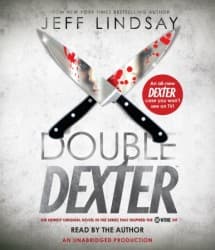

Let me cut to the chase: Double Dexter is the literary equivalent of a reliable sidearm that's starting to show its age. Still functional, still gets the job done, but you're noticing the wear.
I finished this one during a particularly tedious surveillance consult - sitting in a parking garage for six hours watching absolutely nothing happen. Dexter Morgan made decent company. Ranger slept through most of it in the back seat, which tells you something.
When the Hunter Becomes the Hunted
The premise here is solid tactical thinking. Dexter discovers someone's been watching him work - and not in an admiring way. Some amateur has witnessed his extracurricular activities and decided to become a copycat. For a guy who's survived by staying invisible, this is a five-alarm situation.
Lindsay knows how to set a scene. Miami practically sweats off the page, and Dexter's internal monologue still has that cold, detached humor that made the early books work. That same atmospheric tension shows up in Case of Jennie Brice, though the setting's a flooded Pittsburgh boardinghouse instead of Miami heat. The cat-and-mouse dynamic should be tense as hell. Should be.
Here's where it lost me: Dexter - this supposedly meticulous, hyper-intelligent predator - makes rookie mistakes that would get any of my former operators laughed out of the briefing room. The foreshadowing is about as subtle as a flashbang. You'll see the "twists" coming from about three chapters out. I kept waiting for the clever misdirection, the tactical surprise. It never really arrived.
The Author Behind the Mic
Jeff Lindsay narrating his own work is... complicated. Look, I respect the man's ownership of his creation. His droll delivery captures Dexter's dark humor in a way that feels authentic - like you're actually inside this sociopath's head. There's a flatness to his tone that works for the character. Cold. Detached. Exactly how Dexter thinks.
But here's the honest debrief: Lindsay isn't a professional narrator, and it shows. Character differentiation is minimal. When Dexter's sister Debra is supposed to be screaming at him, it doesn't quite land. The Miami PD colleagues blur together vocally. If you've listened to the earlier books with Nick Landrum, you'll notice the difference immediately.
I ran it at 1.25x - my standard - and it actually helped. Tightened up some of the slower sections where the pacing drags. At 12 and a half hours, this isn't a quick mission. Some of that runtime feels earned; some feels like padding.
The Predictability Problem
Six books into a series, you expect the author to know their character. But there's knowing your character and there's running the same play over and over. Dexter's domestic life with Rita and the kids, his Dark Passenger routine, the close calls at Miami Metro - it's starting to feel like a patrol route I've walked too many times.
The book isn't bad. That's the frustrating part. Lindsay can still write circles around most thriller authors when it comes to dark humor and psychological insight. Second Wife plays in similar psychological thriller territory, though without the dark comedy. But this installment feels like he's coasting on the formula rather than pushing it somewhere new.
(And before anyone asks - yes, I watched the show. Different animal entirely. The books are better than those later TV seasons, no question. But that's a low bar to clear.)
Who Should Deploy This One
If you're already invested in the Dexter series, you'll probably listen anyway. Fair enough. It's not a bad entry, just not the strongest. Fans of the dark humor and Dexter's internal monologue will find enough here to stay engaged.
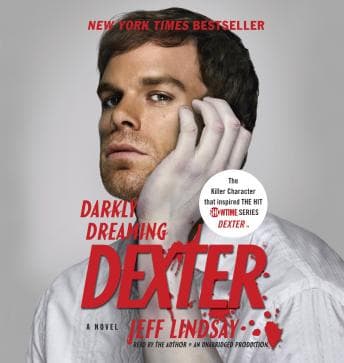
New to Dexter? Start with Darkly Dreaming Dexter. Get the foundation first. This one assumes you know the players and the stakes.
Skip if: you need a narrator who can differentiate a full cast of characters, or if predictable plotting ruins your immersion. Also skip if inaccurate police procedure drives you crazy - though Lindsay's actually better than most on that front.
Mission Status: Qualified Success
Double Dexter delivers what the series promises: dark laughs, Miami heat, and a killer protagonist you shouldn't root for but somehow do. The author-as-narrator is an acquired taste - some will appreciate the authenticity, others will wish for a professional voice actor.
Worth your time? If you're already on this patrol, yes. If you're looking for the series at its sharpest, this isn't the peak. But Ranger gave it a tail wag when it ended, so that's something.
Content note: Violence, language, and sexual content throughout. This is Dexter. You know what you're getting into.