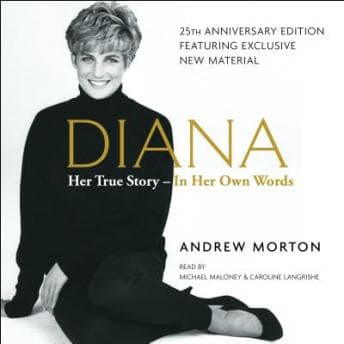

Let me cut to the chase: I started this one during a late-night drive back from a client site in Dallas, expecting royal gossip and maybe some insight into the Spencer family dynamics. What I got was something closer to a reconnaissance debrief - raw intelligence from behind enemy lines.
I'll admit, this wasn't my usual fare. Linda bought it for herself years ago, and I'd always dismissed it as tabloid stuff dressed up in hardcover. But she was out of town, Ranger was snoring in the passenger seat, and I'd burned through my usual thriller queue. Three hours later, I was sitting in my own driveway, engine running, completely locked in.
The Intelligence Report Nobody Believed
Here's what Morton pulled off that still impresses me from a purely operational standpoint - he got a sitting member of the royal family to secretly record hours of testimony about the institution she was trapped inside. That's not journalism. That's tradecraft. The fact that Diana smuggled tapes to him through intermediaries, that she orchestrated this whole thing while maintaining her public duties, while the Palace had no idea? That takes nerve. And planning. I've debriefed assets with less operational security.
The dual narrator setup works better than I expected. Caroline Langrishe handles Diana's own words - the transcribed tape recordings - with this clear, emotive quality that doesn't oversell the drama. She doesn't need to. When Diana describes her wedding day as "the worst day of my life" or talks about throwing herself down the stairs while pregnant, the material speaks for itself. Michael Maloney takes Morton's contextual narration, providing the framework around Diana's testimony. Clean division of labor.
What the Tapes Actually Reveal
Forget the fairy tale collapse - that's just the headline. What struck me was the institutional failure. Diana describes an organization - and make no mistake, the House of Windsor operates like a military command structure - that had zero interest in integrating a new asset. No mentorship. No training. No support structure. They recruited a 19-year-old for one of the most visible positions in the world and then acted surprised when she struggled.
I've seen this play out in real life. You bring someone into a high-pressure environment without proper onboarding, without clear expectations, without a chain of support, and then blame them when things go sideways? That's leadership failure. The bulimia, the self-harm, the despair she describes - those aren't character flaws. Those are symptoms of an organization that chewed someone up.
The updated material for the anniversary edition adds context I appreciated. Morton revisits his original assessments, acknowledges what he got right and wrong, and considers how Diana's boys have carried forward her legacy. It's not just a repackaged cash grab - there's genuine reflection here.
Where It Drags
At 13 hours, there's some repetition. Diana circles back to certain grievances - Charles's relationship with Camilla, the Queen's emotional distance - and while I understand the compulsion to revisit trauma, it does slow the operational tempo around hour seven or eight. I bumped to 1.25x through some of the middle sections without losing anything.
The book also can't escape its 1992 origins entirely. Some of the revelations that were explosive then - royal family dysfunction, arranged marriages, emotional neglect - read as almost quaint now. We've seen the institution weather worse scandals since. But that's not Morton's fault. He was first through the door.
Who Should Listen (And Who Should Skip)
If you want celebrity gossip, you'll get it. But if you want a case study in institutional dysfunction, in how organizations protect themselves at the expense of individuals, in what happens when someone decides to go on the record despite the consequences - this delivers. History and politics folks will find the monarchy's internal mechanics fascinating. Anyone who's ever felt crushed by an institution that was supposed to support them will recognize the terrain.
Skip it if you need action or if royal drama feels frivolous to you. This is focused listening - not background noise for the gym.
SITREP
Diana: Her True Story holds up because it's primary source material. This is Diana's voice, her perspective, her intelligence report from inside the wire. Morton just provided the extraction route. Ranger slept through most of it, but he perked up during the sections about her charity work with landmine victims - even he knows that was the real mission.
Worth your time? If you want to understand why the monarchy operates the way it does today, why William and Harry turned out so different, why the institution still struggles with outsiders - this is required reading. Not a thriller. Not entertainment. But important. 1493: Uncovering the New World Columbus Created operates in similar territory—primary sources, institutional analysis, and the kind of historical detective work that changes how you see the world.