
Eleven minutes. That's it. I've had MRE heaters that took longer to activate than this entire audiobook. And honestly? That's my only real complaint—I wanted more context, more buildup, more of the historical weight this document deserves. But let me cut to the chase: those eleven minutes might be the most important eleven minutes you'll spend with your earbuds in this year.
I was cleaning my Sig P320—Ranger sprawled at my feet, probably dreaming about squirrels—when I decided to finally knock this one off my list. Been meaning to revisit the founding documents for a while now. Twenty-five years in uniform, three combat deployments, and I realized I hadn't actually sat down and listened to the whole Declaration since high school civics class. That's embarrassing for a man who swore an oath to defend the Constitution.
The Words Hit Different Now
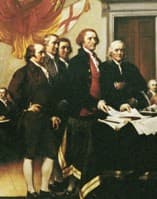
Here's what got me: "We mutually pledge to each other our Lives, our Fortunes and our sacred Honor." I've heard politicians throw around words like sacrifice and duty my whole career. Most of them wouldn't know sacrifice if it kicked down their door at 0300. But those fifty-six men who signed this thing? They weren't playing. The British considered them traitors. Hanging offense. They signed anyway.
That's not rhetoric. That's skin in the game.
Brendan Leonard delivers it straight—no theatrical flourishes, no dramatic pauses that feel manufactured. Just clear, measured reading that lets Jefferson's words do the heavy lifting. And those words don't need help. The grievances against King George read like an AAR (After Action Report, for you civilians) of governmental failures. Quartering soldiers in private homes. Cutting off trade. Imposing taxes without consent. I've seen similar playbooks in countries we were supposedly helping to stabilize. Sherman's March shows what happens when those same principles of governmental authority get tested in the crucible of civil war—another primary source worth hearing straight from the source.
Brevity Is Its Own Kind of Power
The duration is both the strength and the limitation here. At eleven minutes, you get the document—nothing more. No historical context about the Continental Congress debates. No explanation of why certain grievances made the cut while others got edited out. (Jefferson's original anti-slavery passage getting removed is a whole rabbit hole worth exploring, but you won't find it here.)
For someone wanting a quick refresher or a way to actually hear these words spoken aloud rather than skimming them on a page, this works. For someone wanting the full tactical picture of what led to this moment and what followed? You'll need supplementary materials.
Leonard's narration is competent without being memorable. He doesn't try to impersonate an 18th-century Virginia aristocrat, which I appreciate—nothing ruins historical content faster than bad period accents. But there's also nothing distinctive that makes his version stand out from the dozen other recordings available. Clean audio, professional delivery, mission accomplished.
Who Should Queue This Up (And Who Should Stand Down)
New citizens studying for their naturalization test. Veterans who want to reconnect with what they swore to defend. Parents looking for something to play for their kids that isn't another episode of whatever garbage is trending. History teachers who want students to hear the cadence of the language.
Skip it if you're expecting analysis or context. This is the primary source document, period. If you want someone to walk you through the significance, the compromises, the men behind the signatures—look elsewhere.
I'd recommend following this up with Lincoln's Gettysburg Address and King's "I Have a Dream" speech. The description mentions how Jefferson's words echo through both, and that's not marketing fluff. The through-line from 1776 to 1863 to 1963 tells you something about how ideas survive and evolve—and how far we still have to go to live up to them. Miracles and Massacres traces some of those same threads through lesser-known moments in American history, though with more narrative flair than Jefferson managed.
Ranger's Assessment (And Mine)
He slept through it. But he sleeps through everything except the word "walk" and the sound of the treat bag. I, however, found myself pausing the cleaning process to actually listen. That's the thing about foundational documents—you think you know them until you actually pay attention.
Eleven minutes. Free if you've got an Audible subscription. Worth more than most ten-hour audiobooks I've slogged through this year. Not because it's entertaining, but because it matters. Some things you should hear spoken aloud at least once in your life. This is one of them.






![Steve Jobs [unabridged audiobook] audiobook cover](/_next/image?url=https%3A%2F%2Fcovers.audiobooks.com%2Fimages%2Fcovers%2Ffull%2F9788499923406.jpg&w=1920&q=75)