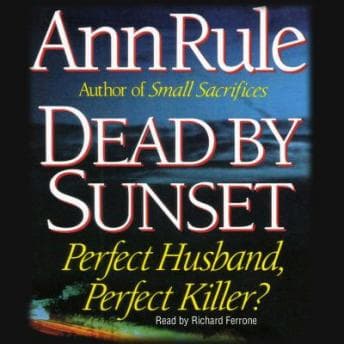

Three AM. The unit was quiet—too quiet, the kind of quiet that makes you knock on every wooden surface within reach. I was deep into charting when I realized I'd been listening to Richard Ferrone describe Brad Cunningham's fifth marriage for the past hour and hadn't documented a single vital sign. That's when you know a true crime audiobook has its hooks in you.
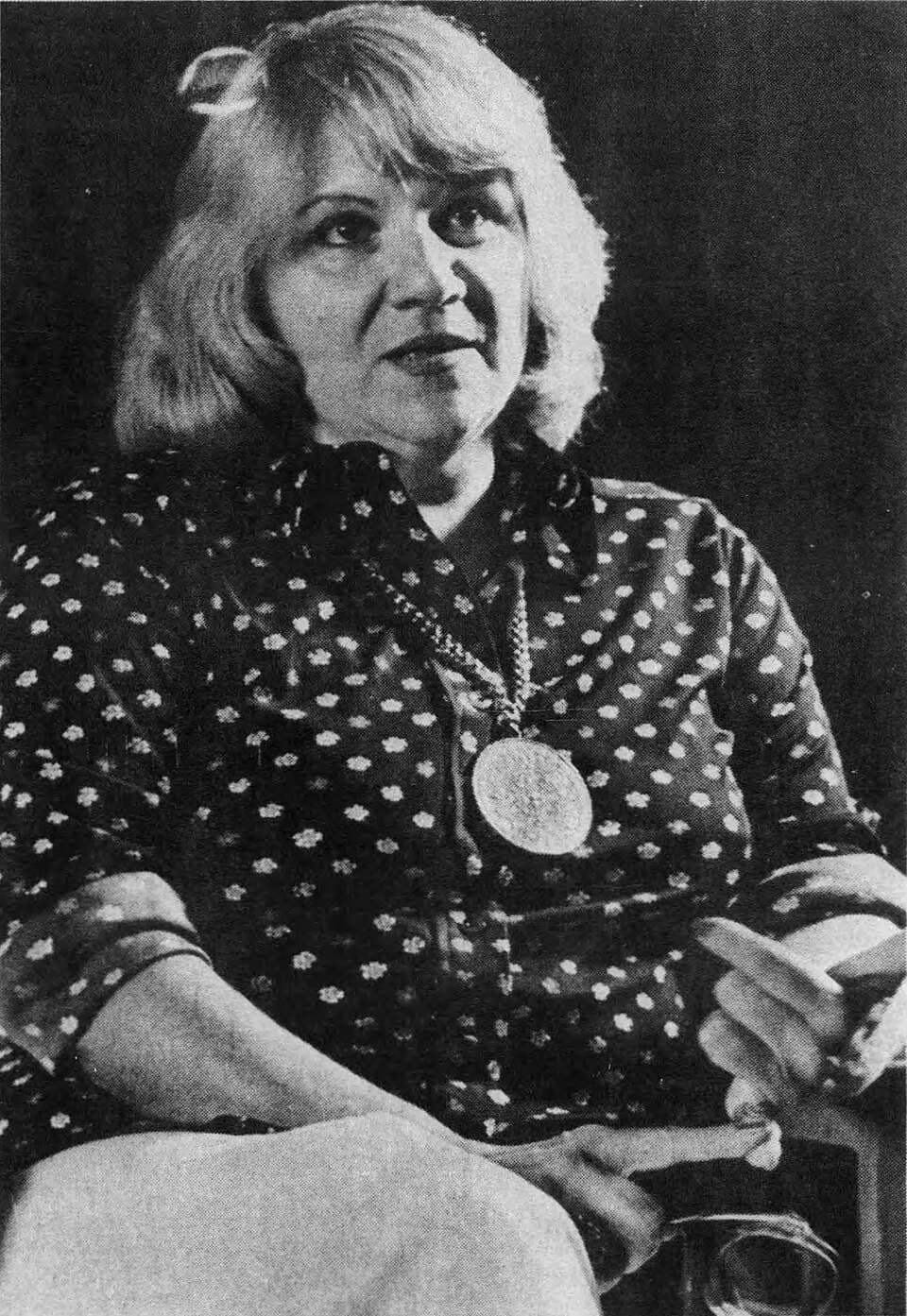
Ann Rule doesn't mess around. Twenty hours and forty-six minutes of methodical, devastating documentation of how one man systematically destroyed every woman who loved him. And I mean *systematically*. This isn't a quick murder mystery—it's a psychological autopsy.
The Slow Accumulation of Evil
What got me about this book wasn't any single shocking moment. It was the cumulative weight. Rule builds her case the way a good prosecutor does—brick by brick. Brad Cunningham's childhood. His first marriage. His second. His third. Each relationship following the same terrible pattern: charm, control, destruction. By the time you get to Cheryl Keeton's murder, you're not surprised. You're just... exhausted. The same kind of exhausted I feel after a bad shift, when you've watched someone's family make the same mistake three times and you can't stop them.
Rule was a former cop, and it shows. The procedural details ring true. The legal maneuvering, the evidence collection, the frustrating gaps in what investigators could prove versus what they knew. As someone who's filled out incident reports and testified in court cases, I appreciated that she doesn't sensationalize the process. She just... shows it. Warts and all.
Richard Ferrone's Hypnotic Read
Here's the thing about narrating twenty hours of one man's cruelty: you could easily tip into melodrama. Ferrone doesn't. His delivery is intimate, almost conversational, which somehow makes the horror worse. When he's describing Brad seducing yet another brilliant, successful woman, there's this quality to his voice—not quite sexy, but... compelling? The same way predators are compelling, I guess.
He doesn't do distinct voices for every character, but he doesn't need to. The material carries itself. What he does do is maintain this steady, unhurried pace that matches Rule's methodical approach. I never felt lost in the timeline, even when she jumps between Brad's various marriages and the investigation. That's harder than it sounds with a narrative this complex.
Carlos asked me why I looked so angry making breakfast after my shift. I blamed traffic. I was actually thinking about how Brad Cunningham's fifth wife—a physician, someone who should've known better—ended up adopting his kids and living in a nightmare. The book makes you understand how it happens. That's the scariest part.
Who This Is For (And Who Should Run)
If you want a quick thriller with a neat resolution, this ain't it. This is for people who want to understand how domestic abuse works, how charming monsters operate, how the legal system sometimes fails spectacularly. Palace of Treason has that same commitment to showing how systems fail people, though in a completely different context. It's for true crime listeners who want substance over sensationalism.
Content warning: violence, abuse, sexual content. And honestly? Emotional exhaustion. I've worked trauma for fifteen years and some of this still got to me. The descriptions of what Brad did to these women—not just physically, but psychologically—hit different when you've seen the aftermath of relationships like this in your ER.
Don't listen to this before bed. Don't listen when you need something light. This is dedicated listening material. I did it over three weeks of night shifts, and that pacing felt right. Let it breathe between sessions.
Clocking Out
Is it good? Yes. Rule knows her craft. Ferrone delivers. The story is horrifying because it's real, and because you can see exactly how it could happen to someone smart, someone successful, someone who should've known better.
Did I yell at my dashboard? Only once, when a detective made a procedural choice that made me want to throw things. That's not the book's fault. That's just... how these cases go sometimes.
My mom would hate this. She'd say it's too dark, too long, why am I listening to such terrible things. But she's also the woman who watched every episode of that Cunningham movie, so. We contain multitudes.
Twenty hours is a commitment. But if you're the kind of person who reads Ann Rule, you already know that. And if you're not? Maybe start with something shorter. This one earns its length, but it doesn't make it easy.