
"Poor little Daisy Miller was a child of nature and of freedom."
That line hit me somewhere around the 45-minute mark, sitting in my car in the garage while Sophie's monitor stayed blessedly silent. And I just... sat there. Because Henry James wrote that in 1878, and here I am in my Honda Odyssey thinking about how little has changed about the way women get judged for being too free, too friendly, too *much*.
But I'm getting ahead of myself.
Two Hours of Victorian Mean Girls
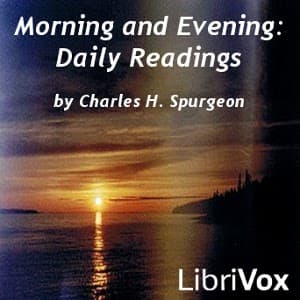
Look, I grabbed this because it's free (LibriVox, bless them), it's short (2 hours 16 minutes—I could finish this in a WEEK), and I needed something that felt like actual literature instead of my usual comfort reads. Sometimes you want to feel smart, you know? At just over two hours, this was the perfect "I'm going to pretend I still have brain cells" listen.
Daisy Miller is basically about a young American woman traveling in Europe who commits the cardinal sin of... being friendly. To men. Without a chaperone. The horror! Frederick Winterbourne meets her, becomes obsessed with figuring out if she's "innocent" or "fast," and meanwhile every expatriate American in Switzerland and Rome is clutching their pearls so hard they're leaving bruises.
The dramatic reading format actually works brilliantly here. Different LibriVox volunteers voice different characters, so when Mrs. Walker is being insufferably judgmental about Daisy walking with two men (gasp!), you get a different voice than when Daisy's oblivious mother is rambling about Randolph's candy consumption. Instant differentiation—no mental energy required to track who's speaking.
When Free Actually Means Good
I'll be honest—I went in with low expectations. Free audiobook, volunteer readers, 19th-century prose. But these LibriVoxers brought their A-game. The delivery is clear, the pacing lets James's sentences breathe (and his sentences NEED room to breathe, trust me), and there's a theatrical quality that suits the drawing-room drama perfectly.
No weird audio glitches. No mispronunciations that made me wince. Just solid, collaborative storytelling.
The Colosseum scene near the end—where Winterbourne finds Daisy with Giovanelli at night, in the moonlight, in the place where people catch "Roman fever"—genuinely gave me chills. The volunteers playing those roles nailed the tension between romantic and ominous. You can feel everything shifting.
The Ending Made Me Ugly-Cry at Pickup
I'm not going to spoil it, but the ending is... shocking? And also somehow inevitable? I finished the last twenty minutes parked at school, waiting for Emma and Lucas, and when it ended I just stared at the steering wheel for a solid minute.
Here's the thing about Daisy Miller that I wasn't expecting: it's not really about whether Daisy is "good" or "bad." It's about how everyone around her—including Winterbourne, who supposedly loves her—spends the whole story trying to categorize her instead of actually seeing her. And by the time anyone figures out the truth, it's too late.
As a mom who sometimes feels like I'm being judged for every choice (formula vs. breastfeeding, screen time, whether I let my kids eat goldfish crackers for breakfast when I'm too tired to fight)—this hit different. That same tension between who we are and who everyone expects us to be runs through Little Fires Everywhere, just with modern suburban moms instead of Victorian expatriates. The specifics change. The judgment doesn't.
Who Will Love This (And Who Should Skip)
Perfect for: Anyone who wants a taste of Henry James without the 40-hour commitment. Fans of period drama. People who like their social commentary wrapped in pretty European settings. Multitasking moms who want to feel cultured during nap time.
Skip if: You need action. Like, any action. This is all drawing rooms and garden walks and meaningful glances. If you want plot-driven, this isn't it. Also, James's prose is... ornate. Even at 1.25x, some sentences require your full attention.
Minivan-Tested, Mom-Approved
I finished this in exactly four listening sessions—two school drop-offs, one nap time, and that final school pickup. It survived being paused for snack requests, sibling disputes, and one truly epic Sophie tantrum, and I never lost the thread.
Is it groundbreaking? I mean, it was in 1878. Now it's just really good, surprisingly relevant, and free. That's a combination I can't argue with.
Made me think. Made me cry. Made me feel like I'd accomplished something intellectual this week. Honestly? That's exactly what I needed.