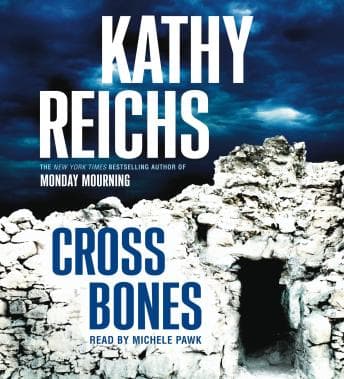

I was reorganizing the horror section at the library last Tuesday — we'd gotten a donation of old paperbacks that smelled like someone's basement, and I was sorting them into "keep" and "dear god no" piles — when I hit the halfway mark of Cross Bones. And I remember thinking: this is a very competent book that I wish I loved more.
Here's the thing. I came to Kathy Reichs sideways. Never watched Bones. Never read the earlier Tempe Brennan novels. But I respect Reichs because she's the real deal — actual forensic anthropologist, not someone who watched a YouTube video and decided to write a procedural. That authenticity matters. You can feel it in the way Tempe describes the excavation of twenty-three massacre victims from a well in Chupan Ya, Guatemala. The specificity of bone analysis, the careful cataloging of remains — this isn't someone guessing. This is someone who's held those bones.
When the Dig Is More Interesting Than the Mystery
The Guatemala opening is genuinely strong. Reichs builds that excavation scene with the kind of quiet, methodical dread I live for — the weight of uncovering political violence, the knowledge that these bones belonged to real people with real lives before they became evidence. There's a scene where Tempe's in a pitch-dark tomb and encounters a panicked hyena, and the tension there is visceral and immediate. That's the Reichs I showed up for.
But then the plot fractures. We pivot from Guatemala to Montreal to Jerusalem, picking up threads about missing young women, ancient skeletal remains that may or may not be connected to biblical history, and a conspiracy that involves — I'm not kidding — the possible bones of Jesus. It's ambitious. Maybe too ambitious. The forensic detail that grounds the early chapters gets thinner as the story tries to juggle archaeology, religious controversy, and a conventional thriller plot. By hour seven or eight, I found myself wishing Reichs had picked one thread and committed to it instead of braiding three together and hoping the tension held.
It didn't always hold.
Compared to something like Patricia Cornwell's early Scarpetta novels, which keep the forensic work front and center while the mystery tightens around it, Cross Bones feels like it's fighting itself. The forensic aspect — which is literally Reichs' superpower — gets pushed to the margins as the religious conspiracy takes over. I ran into a similar frustration with Black and Blue, where the procedural bones of the thing kept getting buried under plot machinery that wanted to be bigger than the story actually needed. And look, I grew up in a house where Revelation was bedtime reading. I've got opinions about biblical thriller plots. This one felt more like a Dan Brown detour than the gritty procedural I signed up for.
Michele Pawk Knows What She's Doing
Now. The narration. Michele Pawk is genuinely good here, and I want to give her proper credit because she's working with material that demands a lot. French names, Jewish names, Guatemalan Spanish — the pronunciation challenges alone would trip up most narrators, and Pawk handles them cleanly. No stumbles that pulled me out of the story.
What impressed me more was her pacing instincts. During that tomb scene? She slows down just enough to let the claustrophobia build without dragging. When Tempe's processing forensic evidence, Pawk matches the clinical rhythm of someone thinking through data. And when the action spikes — that satellite phone call where Tempe hears colleagues being attacked — she ratchets up the urgency without going theatrical. The narrator commits. That's rare. She's not performing horror, exactly, but she understands suspense, and she plays it smart.
Her Tempe voice works. It's direct, competent, slightly impatient — which tracks for a woman who's been doing this work long enough to be tired of explaining herself. I wish the script gave her more to chew on in the back half, because when Pawk has real tension to work with, she's borderline brilliant.
Who Gets the Most Out of This
If you're already deep into the Brennan series and you're a completist, this is worth your time. If you're fascinated by forensic anthropology and archaeological procedure, the early chapters deliver. If you're looking for sustained, escalating dread — the kind where each chapter tightens the screws — you might find yourself checking how many hours are left.
Skip if: you want the forensics to stay central, or if religious conspiracy plots make your eyes glaze. (No judgment. Mine did, a little.)
Shelved Under: Respect the Craft, Question the Structure
Pawk elevates this. Reichs' expertise grounds it. But the story itself spreads too thin, chasing too many threads across too many continents, and the payoff doesn't quite justify the eleven-and-a-half-hour commitment. Shirley (my cat) slept through the entire second half. I can't say she was wrong.
I listened in the dark during the Guatemala chapters. That was the right call. The rest? Daylight was fine.