
"My mother is the most embarrassing person to have ever been born."
Okay, so when Joy says this about Cannie in the opening, I literally snorted so loud in my car that the guy in the lane next to me gave me a look. It was 7:30 AM, I'd just finished a brutal night shift, and honestly? That line hit different when you're a mom of teenagers yourself.
Look, I came to Jennifer Weiner late. I know, I know. But when a coworker shoved Good in Bed at me and said "you need this," I listened. So picking up Certain Girls felt like checking in on an old friend. And let me tell you - Cannie Shapiro at forty-something, dealing with a moody pre-teen and family chaos? This is not how hospitals work, trust me, but it IS how families work. Weiner gets that part right.
The Dual Voice Thing Actually Works
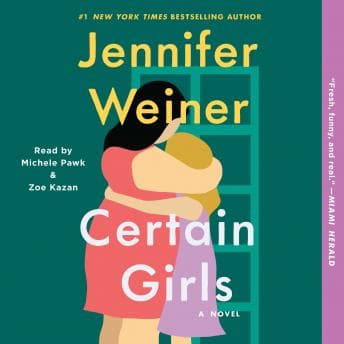
I was skeptical about the two-narrator setup. Michele Pawk handles Cannie's chapters, Zoe Kazan takes Joy's perspective, and switching between them could've been jarring. But it wasn't. Pawk brings this warm, slightly exasperated energy to Cannie that felt so real - like talking to one of the veteran nurses I work with who's seen it all but still gets surprised by life. Kazan's Joy is... well, she's thirteen. All that righteous indignation and dramatic certainty that your parents are literally the worst people alive. Nailed it.
The pacing took me a minute to settle into. Those first couple chapters, I kept checking how much time was left because I wasn't sure where we were going. But somewhere around the bat mitzvah planning chaos, I stopped checking. Time just flew. Perfect for that post-shift decompression when you need something engaging but not so intense you can't unwind.
When Weiner Gets Real About Bodies and Belonging
Here's the thing about Jennifer Weiner that I appreciate as someone who's spent fifteen years watching women apologize for existing in their bodies: she doesn't flinch. Cannie's relationship with her size, her complicated feelings about her success, the way she's still working through her father's abandonment - it's honest in a way that made me uncomfortable sometimes. Good uncomfortable.
And Joy's journey? My mom would love this. She'd see herself in Cannie, trying to connect with a daughter who's pulling away while also dealing with her own mother stuff. The generational echoes hit hard. Carlos asked why I was crying in the car after one particular scene near the end. I blamed allergies. (It was not allergies.)
The subplot about Cannie's sister potentially being a surrogate is handled with more nuance than I expected. I've seen enough complicated family medical decisions in my work to appreciate when fiction doesn't oversimplify. The emotional messiness felt authentic.
Who Should Listen (And Who Should Skip)
If you loved Good in Bed, this is a no-brainer. If you're a mom of teenagers, or you were once a terrible teenager yourself (we all were), you'll recognize these dynamics. If you want something light but with actual emotional substance, this works.
Skip it if you need a lot of plot momentum - this might frustrate you. It's character-driven in the truest sense. The big events matter less than the small moments of connection and misunderstanding between people who love each other badly. Some reviewers found it predictable, and yeah, you can see where certain storylines are heading. But for me, the journey mattered more than the surprise.
The audio production is clean and clear. There's apparently a Q&A with Weiner as bonus content, which I appreciated - always nice to hear an author talk about their process, especially one who writes about women's lives with this much care.
Would I Listen Again?
Probably not immediately, but I'd recommend it to specific people. My sister who's going through it with her twelve-year-old? Absolutely. My coworker who just reconnected with her estranged dad? Maybe, with a warning about the emotional gut-punches. It's the kind of book that finds you at the right time.
At just over six hours, it's a solid week of commutes or a couple of long shifts worth of listening. Night shift approved - engaging enough to keep you awake during 3 AM charting, but not so intense you can't pause when things get busy. And things always get busy.
Weiner writes about imperfect women making imperfect choices and loving imperfect people, and somehow that's exactly what I needed after a week of watching people at their most vulnerable. Such a Fun Age does something similar with its messy, complicated characters—nobody gets to be perfect, and that's the whole point. Sometimes you just want a story where the stakes are family dinner and bat mitzvah planning and figuring out how to forgive your parents for being human. That's enough. That's plenty, actually.