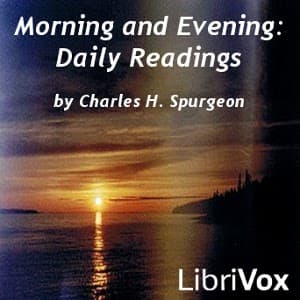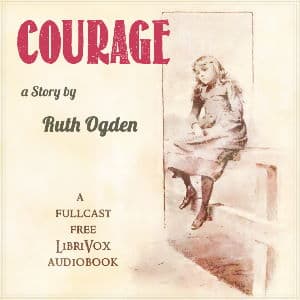

"Courage." That's her name. A 12-year-old orphan named Courage. And honestly? Sitting in my kitchen at 8 AM after a brutal night shift, waiting for the rice cooker to finish before the kids woke up, I almost scrolled past this one. Two hours? LibriVox? A children's story from the 1800s? But something about it caught me - maybe because I know a thing or two about living up to a name people gave you before you could choose it yourself.
The Eldest Daughter Energy Is Real
Look, I didn't expect a book written in the late 1800s by Ruth Ogden to hit me in the chest like that. But Courage - this kid who loses everything and then has to figure out how to exist in a world of strangers who are now supposed to be her people - that's a story I recognize. Not from the trauma center. From my own life. Being the eldest of five, being the one who had to adapt first, figure out the new school first, translate for my parents first. Courage doesn't get to fall apart because her name won't let her. And there's something both beautiful and a little heartbreaking about that.
The story itself is simple by modern standards. Girl is orphaned, girl meets new family, girl must prove herself worthy of the name she carries. There's no twist ending, no unreliable narrator, no dark secret. It's straightforward Victorian-era children's fiction, and it knows exactly what it is. At two hours, it doesn't overstay its welcome. It says what it needs to say and sits down.
Multiple Voices, Uneven Results
Here's where I have to be honest. This is a LibriVox dramatic reading, which means volunteer narrators splitting up the characters. And the thing about volunteers is - they're volunteers. Some of them are genuinely good. Clear diction, appropriate emotional range, solid pacing. Others sound like they're reading aloud in a library and are very aware that someone might shush them. The quality varies chapter to chapter, sometimes scene to scene.
The dramatic reading format actually works for a story like this because you get distinct voices for Courage versus the adults around her, and that separation helps when you're listening at 7 AM with tired ears. But there's no consistent audio production tying it together - no music, no sound design, just voices and the occasional background hiss that reminds you this is a free community project, not an Audible Original. Some transitions between speakers feel abrupt, like the volunteers recorded in different rooms on different continents (which, knowing LibriVox, they probably did).
I wouldn't call the narration bad. I'd call it earnest. And for a free audiobook about a kid named Courage, earnest feels appropriate.
What This Book Actually Is (And Isn't)
This is not the book I recommend when someone asks me for their next binge listen. It's not a thriller. It's not going to make you miss your exit on the I-10. Though if you do want something that will absolutely make you miss your exit, Four Seconds to Lose had me sitting in my driveway at midnight refusing to go inside. It's a quiet, short, old-fashioned story about resilience - the kind of book my Lola would have told me to read when I was twelve and angry about being the responsible one.
What surprised me is how well the emotional core holds up. Strip away the Victorian language and the slightly dated gender expectations, and you've got a story about a child who refuses to let grief define her. As someone who's actually worked a code on a twelve-year-old - I'm not going to pretend that didn't color how I heard this story. Kids who fight to survive hit different when you've watched some of them lose that fight.
The writing is period-appropriate, which means some sentences go on longer than my last shift and the moral lessons are about as subtle as a cardiac alarm. But Ogden clearly understood something true about children and resilience, and that truth still lands even through 120 years of dust.
Who This Is For (And Who Should Keep Scrolling)
If you want action, skip this. If you want complex plot, skip this. If you're a parent or caregiver or anyone who's ever watched a kid be braver than any adult in the room - and you've got two hours and zero dollars - this is a surprisingly decent listen. It's also a solid pick if you're trying to get an older kid into audiobooks without throwing them into the deep end of YA dystopia.
Carlos asked why I looked emotional making breakfast. I blamed the onions. There were no onions.
Night Shift Prescription
This is comfort food in audiobook form - not gourmet, not trying to be. It's arroz caldo when you're tired and cold and just need something warm and simple. The LibriVox production keeps it from being anything I'd spend a credit on, but as a free listen? For two hours of genuine heart? My mom would love this. She'd also say Courage should've been a doctor.