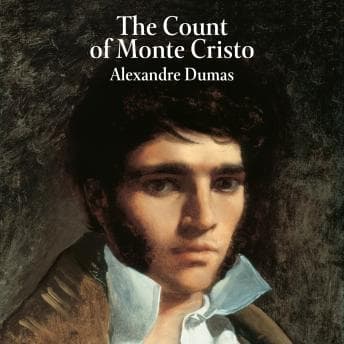

Forty-three hours. That's what I committed to during what my wife Denise now calls 'The Month Marcus Became Insufferable About French Literature.' She's not wrong. I started this during our evening walks along the lakefront, continued through three weeks of grading sophomore essays on The Great Gatsby, and finished it at 1 AM on a Tuesday, sitting in the dark kitchen because I couldn't stop.
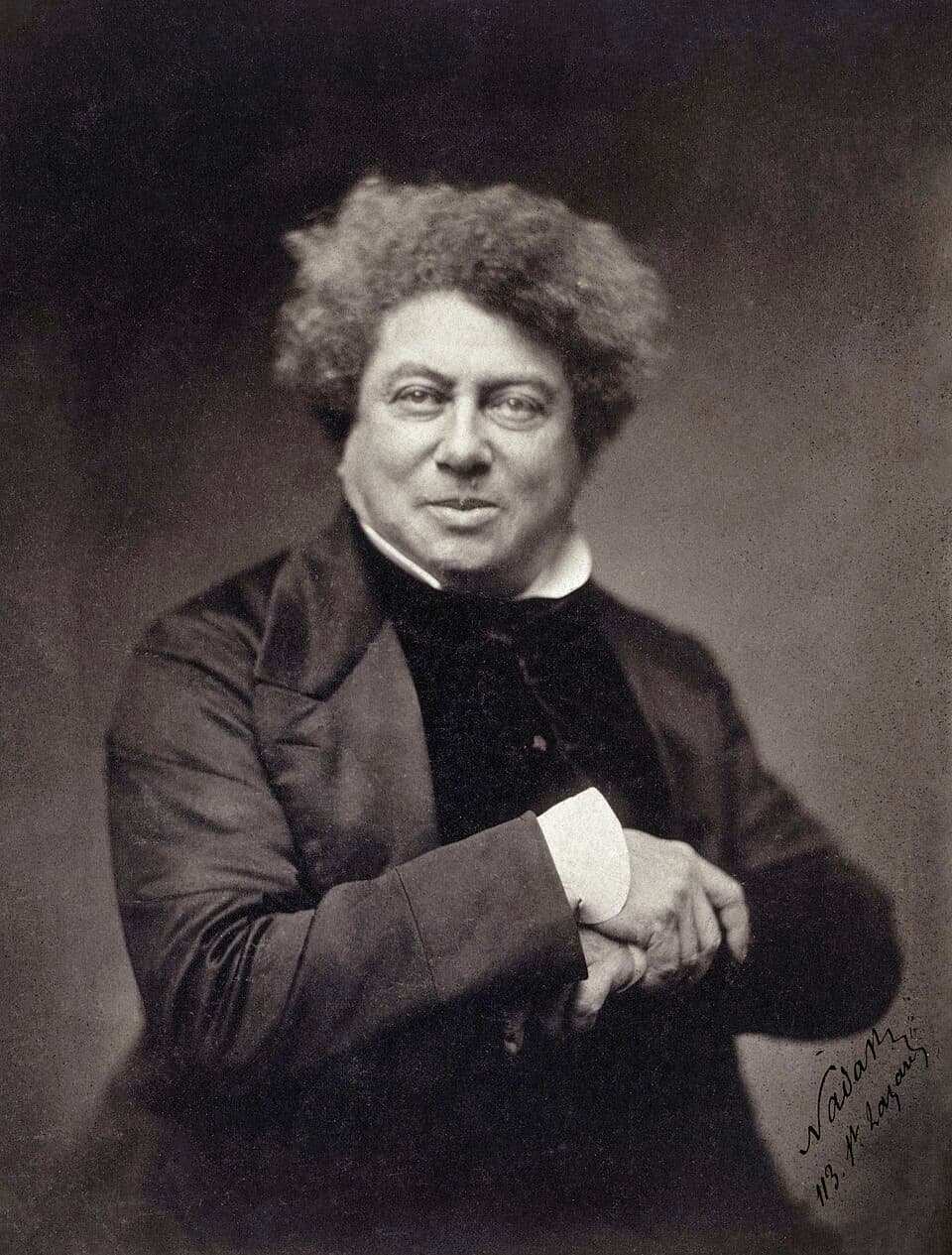
Here's the thing about Dumas that my students don't understand when I assign The Three Musketeers: the man was writing serialized fiction. He was the Netflix of 1844. And The Count of Monte Cristo is his prestige drama—the one where he said, 'What if I made revenge so elaborate, so patient, so architecturally precise that readers would forget to eat dinner?' Mission accomplished, Alexandre.
Richard Matthews Understands That Edmond Dantès Contains Multitudes
The transformation is everything in this story. We meet Dantès as this joyful, almost naively optimistic young sailor about to marry the love of his life. Then fourteen years in a dungeon. And Richard Matthews—with that English accent that somehow feels perfectly suited to 19th-century French aristocracy—captures both versions of this man without ever making the shift feel theatrical.
His Dantès-as-prisoner has this hollow quality, like hope has literally been scraped out of him. But when Monte Cristo emerges, wealthy and calculating and cold? Matthews gives him an aristocratic edge that makes you understand why everyone in Parisian society is simultaneously fascinated and terrified. The voice differentiation isn't just 'different pitch for different character'—it's class distinction made audible. His Villefort has this oily self-righteousness. Danglars sounds like money talking. And poor Fernand—you can hear the insecurity underneath the bluster from his first appearance.
(My students would hate this. They'd say it's too long, too slow, too much talking. I love it.)
The Pacing Problem That Isn't Really a Problem
I've seen the complaints. 'It drags after the prison escape.' 'Lost interest in the revenge plot.' And I understand where this comes from—we're conditioned now for revenge to be swift and violent. John Wick doesn't spend fifteen hours at dinner parties.
But that's not what Dumas is doing. The revenge isn't the prison break. The revenge IS the dinner parties. It's the slow, methodical destruction of three men who ruined an innocent life. Monte Cristo doesn't want them dead—he wants them destroyed. Reputation, family, fortune, sanity. And Matthews paces this exactly right. You feel the years of planning in every calculated conversation.
Yes, there are stretches where you're deep in Parisian society intrigue and wondering when something will 'happen.' But something IS happening. You're watching a man dismantle lives with the patience of a spider. If you loved the slow-burn manipulation of Dangerous Liaisons, this is its spiritual ancestor.
Worth Pausing the Faculty Meeting For
The emotional highlights hit differently in audio. There's a scene—I won't spoil it—where Monte Cristo confronts someone from his past, and the recognition lands like a physical blow. Matthews's delivery in that moment made me stop walking and just stand there on the lakefront path like an idiot, staring at Lake Michigan while joggers went around me.
And the ending. The actual ending. Dumas does something that feels almost modern—he doesn't give you the neat resolution you expect. He gives you something more complicated, more human. Matthews reads those final pages with this quiet weight that stayed with me for days.
Who This Is For (And Who Should Run)
If you need action every chapter, skip this. If you're looking for background listening while you scroll your phone, this will punish you—you'll miss the threads Dumas is weaving and nothing will make sense by hour twenty.
But if you want to understand why we still read the classics? If you want forty-three hours of watching a brilliant mind execute a plan so intricate it makes Ocean's Eleven look like a kindergarten heist? If you believe, like I do, that prose deserves to be savored and that the author chose those words for a reason? That same reverence for language is what makes Les Misérables worth its intimidating length—Hugo builds entire worlds inside single chapters.
This is the definitive audiobook experience of one of literature's greatest revenge stories. Matthews isn't just reading Dumas—he's interpreting him. And at 1.0x speed (the only civilized option), you get every deliberate pause, every shift in register, every moment where Dumas's serialized genius translates into something that feels shockingly contemporary.
Class Dismissed
Denise says I can't assign this to my sophomores because 'forty-three hours is elder abuse, Marcus.' She's probably right. But I'm putting it on my podcast list anyway. All forty-seven of my listeners deserve to know about this one.
Mom, if you're listening—don't fall asleep during this one. It's worth it.