
I teach high school English. I've spent two decades trying to convince teenagers that language can be fun, that words can dance and play and surprise you. And then I put on Kipling's Just So Stories and remember - oh right, this is what I've been trying to explain all along.
Here's the thing about these stories. They're meant to be heard. Kipling wrote them for his daughter Josephine, and you can feel it in every ridiculous, glorious phrase. "The great grey-green, greasy Limpopo River, all set about with fever-trees." Try saying that without smiling. I dare you. I was walking the lakefront with Denise, and she caught me mouthing along like some kind of Victorian karaoke enthusiast. No regrets.
Why These Stories Demand a Voice
Tim Bulkeley gets it. He understands that Kipling wasn't just telling stories - he was performing them. The man plays with the text the way a jazz musician plays with a standard. There's warmth there, genuine affection for the material, and his pacing gives the language room to breathe. When he hits those rolling, rhythmic passages about the Elephant's Child or the Cat that Walked by Himself, you can hear him savoring every syllable.
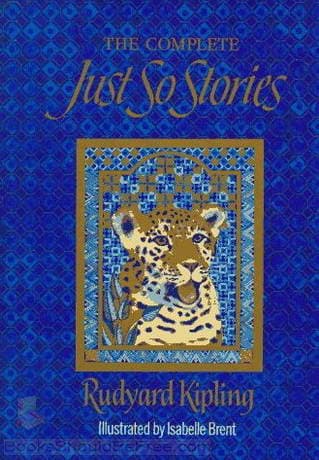
And look, this is billed as the "complete" version, which matters. A lot of recordings trim bits here and there, but Bulkeley gives you the whole thing - including the original verse interludes and those wonderful little asides Kipling tucked in for adults listening over children's shoulders. (My students would absolutely zone out during those parts. I loved them.)
The character differentiation is solid. Not theatrical, exactly - more like a really good parent reading at bedtime who knows when to shift register without going full voice actor. It keeps the focus on Kipling's language rather than the performance, which feels right for this material.
The Elephant in the Room
Okay. We need to talk about this. The description mentions it, and I'm not going to pretend it's not there. "How the Leopard Got His Spots" contains language that will make modern listeners wince. Hard. Kipling uses a racial slur that was apparently acceptable in 1902 and is absolutely not acceptable now.
Bulkeley reads it as written. No edits, no bleeps. And honestly? I think that's the right call for an audiobook marketed to adults, even though it's uncomfortable. These stories are historical documents as much as they are children's literature. Sanitizing them erases the opportunity to have real conversations about how language and attitudes change - and how far we still have to go.
But if you're planning to play this for kids, you need to preview it first. Period. This isn't something you put on and walk away from. (Don't tell my principal I said this, but I'd actually use this in class - with heavy context and discussion. My AP Lit kids could handle it. The conversation would be worth it.)
The Production Wobbles
Now, I can't pretend this is a flawless recording. Some listeners have noted the production feels a bit rough around the edges - occasional volume inconsistencies, transitions that aren't perfectly smooth. It's not a major issue, but if you're coming from a slick Audible Studios production, you'll notice the difference.
Part of me doesn't mind. There's something almost appropriate about a slightly imperfect recording of these stories - like finding your grandmother's handwritten recipe card with the coffee stains still on it. But your mileage may vary, especially if you're picky about audio quality.
The Verdict, Over Lukewarm Faculty Lounge Coffee
At just over four hours, this is a quick listen that packs genuine literary punch. Kipling won the Nobel Prize for a reason, and these stories show his playfulness at its peak. The prose deserves to be savored - I listened at 1.0x and wouldn't have it any other way.
If you loved The Wind in the Willows or The Jungle Book, this is their weird, wonderful cousin. Speaking of The Jungle Book, I revisited Kipling's masterpiece last year and was struck by how much darker and richer it is than the Disney version. The one who tells stories that don't quite make sense but somehow explain everything. How did the camel get his hump? How did the alphabet get made? Why do cats do what they want? Kipling had answers, and they're delightfully absurd.
Bulkeley's narration makes a strong case for this version, even with the production quirks. He treats Kipling's language with the respect it deserves while keeping things warm and accessible.
Just... preview before sharing with the kids. This is why we still read the classics - not because they're comfortable, but because they teach us something about where we've been and where we're going. Even when that lesson stings a little.