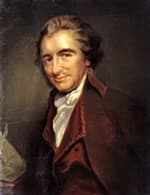

Stuck in gridlock on I-35 south of Austin—bumper to bumper, 105 degrees outside—when I decided I needed something short. Wasn't in the mood for a 20-hour thriller and Ranger was asleep in the back seat, so I pulled up Common Sense.
Two hours. That's it.
Figured I'd brush up on the foundational documents. You know, remind myself what we were actually fighting for all those years. Plus, Thomas Paine was basically the original PsyOps officer of the American Revolution. The man knew how to weaponize words.
The Intel
Let me cut to the chase: Paine doesn't mess around.
In the military, we value brevity and clarity. Paine has both. He calls King George III a "Royal Brute" and dismantles the entire concept of hereditary monarchy with the kind of ruthless efficiency I wish I saw in modern corporate consulting. It's not flowery poetry; it's a tactical dismantling of the enemy's legitimacy.
Listening to this, you get why it went viral in 1776. (And yes, it went viral before that was a term). It's written for the common man, not the elites. It's raw, it's angry, and it makes a damn good case for why an island shouldn't rule a continent.
I found myself nodding along during the section on the inevitability of separation. Simple logic. If you've ever had to brief a General on why a strategy is failing, you recognize the tone. It's the sound of someone saying, "Look at the facts on the ground, sir. This is the only way out."
The Briefing
Here's where we run into a snag.
Andrew Julow is the narrator. I checked the specs—clean audio, no background hiss, consistent volume. Technically, it's fine. But emotionally? Flatline.
Some reviews I read before buying mentioned he sounds robotic. They weren't kidding. It's not quite Siri reading you a recipe, but it's close. Paine is screaming fire in a crowded theater, and Julow sounds like he's reading the safety instructions on a flight to Cleveland.
No grit. No spit. No urgency.
When Paine writes about the blood of the slain weeping, I want to hear that anger. I want to hear the revolutionary fervor. Instead, I got a delivery that was... polite. Stiff. (Honestly, it reminded me of a Second Lieutenant reading a patrol order for the first time—getting the words right but missing the intent.)
Had to crank the speed up. 1.25x wasn't enough. Pushed it to 1.5x just to give it some artificial momentum. It helped, but it didn't fix the lack of soul.
Mission Assessment
The book is vital. It's a piece of history that explains the American psyche better than most modern textbooks. And since it's only two hours long, you can knock it out during a gym session or a decent commute.
Be warned—there's some outdated language in there. Paine makes references to race that don't fly today. It's 1776, folks. It is what it is. I ran into the same issue with Farewell Address—same narrator, same era, same need to separate the wisdom from the historical baggage. You take the historical context, acknowledge the flaws, and extract the strategic value.
Is this the definitive audio version? No. I'd bet there's a better performance out there—maybe one with a bit more gravel in the voice. Churchill's Band of Brothers had that gravel—a narrator who understood the stakes and delivered accordingly. But if you just want the information downloaded into your brain quickly? This works. It's functional.
Ranger slept through the whole thing, which is usually a sign that the narrator didn't have any sudden outbursts. Make of that what you will.
Who's this for? History buffs, anyone who wants to understand the revolutionary mindset, or folks who need a quick refresher on founding principles. Skip it if flat narration kills your focus—you might want to hunt down a different recording.
Bottom line: The intel is gold, but the briefing officer is a bore.







![Steve Jobs [unabridged audiobook] audiobook cover](/_next/image?url=https%3A%2F%2Fcovers.audiobooks.com%2Fimages%2Fcovers%2Ffull%2F9788499923406.jpg&w=1920&q=75)