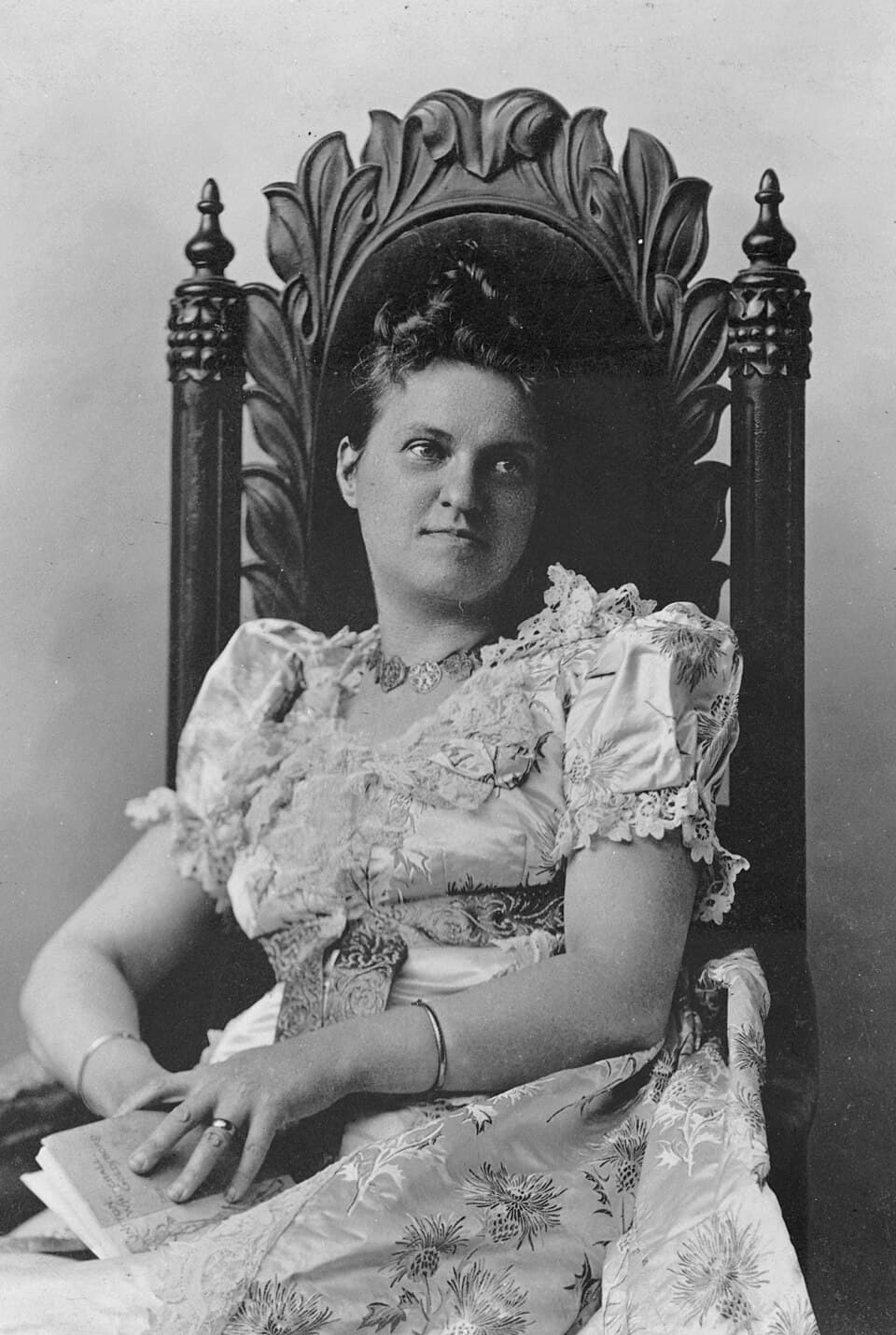
Anna Katharine Green invented the detective novel as Americans know it, and approximately nobody talks about her anymore. This is a problem.
I was up late making dal makhani - the kind that needs to simmer for an hour while you stir every ten minutes and question your life choices - when I decided to queue up That Circular Study. A late-1800s mystery featuring Detective Gryce, the proto-detective who predates even Sherlock Holmes in the American tradition, and Miss Amelia Butterworth, the woman who basically invented the amateur sleuth archetype before Miss Marple was a glimmer in Christie's eye. I grew up devouring Christie novels in my childhood bedroom in New Jersey, so discovering the woman who influenced Christie felt like finding the psychological origin story behind a patient's presenting symptom.
Except here's where it gets complicated.
The Case Study Nobody Asked For: Green's Narrative Choice
The biggest issue with this particular Gryce installment is a structural one, and it's genuinely interesting from a narrative psychology perspective. Green's earlier Butterworth books are told from Amelia's first-person POV - sharp, witty, judgmental in the best way. That Circular Study switches to third person. And I found myself asking: why does Green really pull us out of Butterworth's head?
The result is a flatter emotional experience. Butterworth still shows up, still does her thing, but we're watching her from the outside instead of living inside her particular brand of Victorian-lady-detective logic. The research actually shows that first-person narration creates stronger reader identification - we literally process "I" statements differently than "she" statements in our brains. Green essentially handicapped her most compelling character by making her a supporting player in her own series.
The mystery itself? A man stabbed to death in his study but lovingly arranged on the floor. A butler who's deaf and mute and has been driven mad. A caged bird singing what turns out to be a clue. The setup is wild - genuinely creative, the kind of locked-room-adjacent premise that makes you lean in. But the resolution... look, I've read enough mysteries to know when the author has written herself into a corner, and the motive-spanning-generations revelation feels like Green needed an exit ramp and took the first one she saw. The protagonist exhibits classic detective-fiction syndrome: the clues are there, but the emotional logic connecting them requires some generous leaps.
Psychologically, the generational-revenge motive doesn't quite track for me. Green wants us to believe passions have been "kept alive" across years, but she doesn't show us the psychological mechanism that sustains that obsession. She tells us it exists. Different thing entirely.
Christine Dufour and the LibriVox Question
This is a LibriVox production, which means volunteer narration, no sound design, no production budget. Christine Dufour narrates solo, and she clearly cares about this material - she wrote the summary herself, which tells you something about her investment. The audio is clean enough for a free production, and her pacing is steady if not exactly dynamic.
But here's where I have to be honest about the gaps in my assessment: I couldn't find specific details about how Dufour differentiates between Gryce's methodical detective voice and Butterworth's acerbic observations. In a book where the third-person narration already flattens the character distinctions, that differentiation matters enormously. At six hours and seventeen minutes, this is a modest commitment - but a single narrator carrying multiple Victorian-era characters through a plot that some listeners have called "lame" (their word, not mine, though I understand the impulse) needs to bring real energy to compensate.
The pacing works best in the early chapters, when the crime scene is being established and the bird-clue mystery genuinely intrigues. It sags in the middle when Green does her generational-backstory exposition dump.
Who Gets the Most Out of This
If you're a completist working through the Gryce/Butterworth series - and honestly, the earlier entries are better - this fills in the picture. If you're interested in the history of detective fiction and want to understand the DNA that eventually produced Christie, Sayers, and every cozy mystery on your shelf, Green is essential reading. She was doing legally accurate procedural detective fiction in the 1870s. The 1870s. My therapist would have thoughts about why we've collectively forgotten a woman who literally built this genre. The procedural bones she laid down still show up in modern detective fiction — I traced some of that same careful, evidence-first logic in All That Remains, which takes the methodical approach seriously enough that Green might have recognized it as kin.
But if you're coming in cold, wanting your best mystery experience? Start with The Leavenworth Case or Lost Man's Lane instead. This one's the B-side.
My Clinical Assessment
Anna Katharine Green understood human nature better than most of her contemporaries gave her credit for, and the setup of this mystery - the tenderness shown to a murder victim, the silent witnesses, the singing bird - shows genuine psychological imagination. But the switch to third person and a resolution that doesn't earn its emotional weight make this a fascinating case study in a brilliant author not quite sticking the landing. Worth your time if you're already invested. Worth knowing about even if you're not.