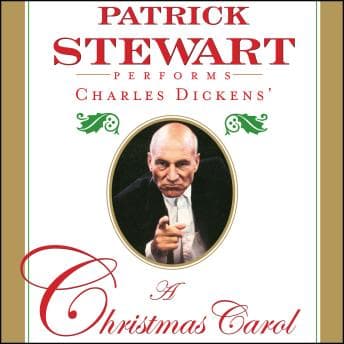

I was grading a stack of sophomore essays on Great Expectations at 11:47 PM—I know because I checked the clock in despair—when I decided I needed Dickens done right to cleanse my palate. Forty-seven minutes later, I hadn't touched another paper. Patrick Stewart had me.
This is what happens when a Royal Shakespeare Company veteran decides to perform a Victorian novella like it's a one-man show at the Globe. Because that's exactly what this is. Stewart doesn't read A Christmas Carol. He inhabits it. He becomes the entire cast of London, 1843.
The Voice That Taught Captain Picard to Act
Let me be specific about what Stewart does here, because "great narration" means nothing. When he shifts from Scrooge's bitter rasp to the Ghost of Christmas Present's booming warmth, there's no transition. No pause where you hear an actor switching gears. It's instantaneous character transformation—the kind of vocal control that takes decades of stage work to develop.
Bob Cratchit gets this quiet, dignified tremor. Tiny Tim—and here's where Stewart earns his Grammy nomination—sounds genuinely childlike without ever descending into that awful falsetto some narrators use for children. There's fragility there. Real fragility. By the time we reach the Cratchit family dinner, I'd forgotten I was listening to a single performer.
One listener quote stuck with me: "I continually forget Patrick Stewart is doing all the voices." That's not hyperbole. That's the actual experience.
Why Your Students Should Hate This (They Won't)
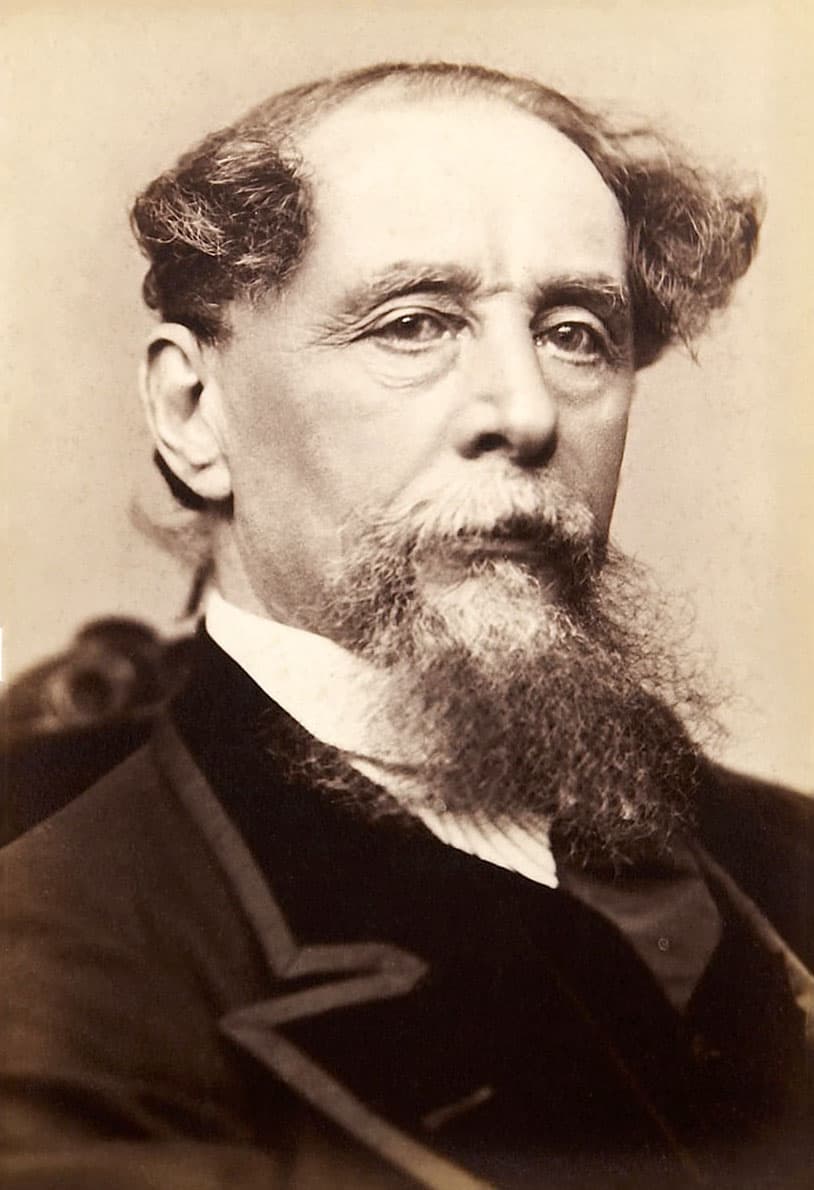
Here's what I tell my juniors when they complain about Victorian prose: Dickens wrote for performance. He did public readings of this exact story, touring England and America, doing all the voices himself. The man was essentially a 19th-century podcaster with better hair.
Stewart understands this. He treats Dickens' sentences like sheet music—finding the rhythm, the pauses, the moments where a comma becomes a held breath. When Scrooge wakes on Christmas morning, Stewart's voice cracks with genuine joy. Not actor-joy. The real thing.
At one hour and forty-seven minutes, this is the perfect gateway drug for audiobook skeptics. I've recommended it to three colleagues who "don't do audiobooks." Two of them now have Audible subscriptions. (The third is Principal Martinez. He's a lost cause.)
Just Stewart and the Words
No sound effects. No music. No full cast. Just Stewart and Dickens' words.
This is a deliberate choice, and it's the right one. The story doesn't need production gimmicks. What it needs is someone who understands that "Bah! Humbug!" isn't a catchphrase—it's a defense mechanism from a man terrified of his own capacity for love.
Stewart gets this. His Scrooge isn't a cartoon villain. He's a wounded man who built walls so high he forgot there was anything on the other side. When those walls come down—and they do, spectacularly—you feel the emotional weight of decades of self-imposed isolation crumbling.
My wife Denise walked past my desk during the transformation scene and asked if I was okay. I was fine. Just had something in my eye. For twenty minutes.
Who Should Press Play (And Who Should Skip)
If you've only experienced A Christmas Carol through Muppets or Mickey Mouse (both valid, don't @ me), you owe yourself the original. Stewart makes Dickens' prose feel urgent and alive—not like homework.
If you're an audiobook purist who thinks narrators should be invisible, this might be too theatrical for you. Stewart is very much present in every scene. He's not just reading; he's interpreting. And if you need something to play during holiday prep while half-listening—maybe try something else. This demands attention. It rewards attention.
Worth Pausing the Faculty Meeting For
I've taught A Christmas Carol for fifteen years. I've read it aloud to classes, analyzed its structure, written lesson plans about its social commentary on Victorian poverty. Happy Prince did something similar for me with Oscar Wilde—made me rediscover a classic I'd dismissed as children's literature. I thought I knew this story.
Stewart made me hear it fresh.
That's not nothing. That's actually everything. The narrator understands that pause is punctuation, that breath is meaning, that a story about redemption requires a performer who believes in redemption.
This is why we still read the classics. Not because they're assigned. Because when the right voice meets the right words, something happens that a movie can't replicate. Something intimate. Something that feels like Dickens himself is sitting in your living room at midnight, telling you a story about how it's never too late to change.
My students would hate that I cried at a story they consider basic. I don't care. Some things are basic because they're true.