
Everyone says you don't need to read A Christmas Carol because you've absorbed it through cultural osmosis. Muppets, Jim Carrey, that one with Patrick Stewart. I've taught this novella for twenty years and I used to agree - until I actually listened to Dickens's words performed properly at 11 PM while my students' redemption arc essays sat ungraded beside me.
Three hours later, the papers were still untouched. And I was genuinely moved by a story I thought I'd outgrown.
Dickens Wrote for Ears, Not Eyes
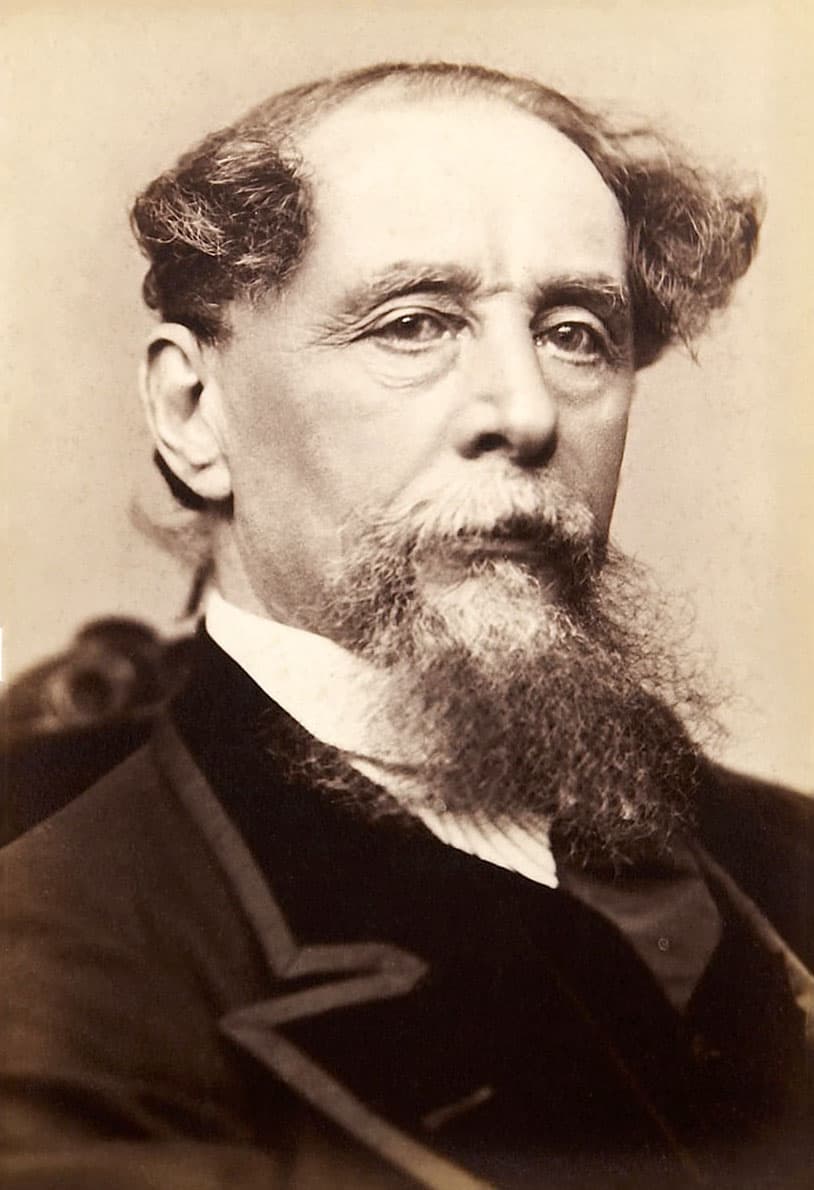
Here's what my students never quite grasp: the man wrote for performance. These were serialized stories meant to be read aloud in Victorian parlors, and A Christmas Carol in particular was designed for his famous public readings. So an audiobook isn't just acceptable here - it's arguably the correct format. The prose deserves to be savored.
"The cold within him froze his old features, nipped his pointed nose, shrivelled his cheek, stiffened his gait." You can't get that from the Muppet version. And hearing it spoken reminds you that Dickens wasn't writing literature - he was writing entertainment. Popular entertainment. The Marvel movie of 1843.
The Soundtrack Gamble
This version comes with what they call a "movie-style soundtrack," and I'll admit I was skeptical. I'm the guy who listens at 1.0x because "the author chose those words" - adding orchestral swells felt like putting a laugh track on Shakespeare.
But I was wrong. Mostly.
The music works because it knows when to shut up. During Marley's ghost scene, there's this low, grinding undertone that builds without overwhelming the narration. When Scrooge watches his younger self at Fezziwig's party, the soundtrack captures that bittersweet nostalgia of watching joy you can no longer access. It's not subtle, but neither was Dickens. The man described Marley as "dead as a doornail" and then spent a paragraph explaining why doornails are particularly dead.
Kyle M. Understands the Assignment
Kyle M.'s approach is solid: he reads Dickens like Dickens wrote - with theatrical flair but genuine emotional investment. He brings that same quality to A Christmas Carol (Version 5) - a cleaner, soundtrack-free recording if you want to hear what he does with just the text and nothing else. His Scrooge isn't a cartoon villain. There's weariness in the early "Bah, humbug" that suggests a man who's been performing cruelty so long he's forgotten it's a performance.
The Ghost of Christmas Present gets the best treatment. Kyle M. gives him this booming warmth that contrasts beautifully with Scrooge's pinched defensiveness - you can hear the spirit's abundance in every syllable. The Ghost of Christmas Yet to Come, by contrast, gets appropriately cold, sparse delivery. Silence as characterization.
And Tiny Tim - look, Tiny Tim is a manipulation. Dickens knew it, we know it, my students know it. But Kyle M. doesn't oversell the pathos. The kid sounds like a kid, not a Victorian greeting card. That restraint is everything.
Why This Still Matters (My Students Would Hate This)
My students always ask why we keep teaching A Christmas Carol when there are approximately nine thousand film adaptations. The answer is the prose. Dickens was showing off in this novella - it's 28,000 words of pure Victorian flex. Sentences that spiral and build, metaphors that land with the subtlety of a sledgehammer but somehow still work.
This is why we still read the classics. Because the language itself does something the adaptations can't replicate. Hearing "I will honour Christmas in my heart, and try to keep it all the year" spoken aloud - not by Michael Caine, not by a cartoon duck, but as Dickens wrote it - hits different.
At three hours and nine minutes, this is a perfect single-sitting listen. I'd recommend it for a Christmas Eve walk along the lakefront, or while wrapping presents you probably spent too much on. (Denise, if you're reading this, I definitely didn't overspend on your gift.)
Who Should Listen (And Who Should Skip)
If you've never actually read A Christmas Carol - just absorbed it through adaptations - this is your chance to hear what Dickens actually wrote. If you loved Great Expectations or Oliver Twist, this is their spiritual successor in miniature form. Same social conscience, same theatrical prose, condensed into a holiday-sized package. I spent a long weekend with Bleak House last spring and found that same relentless moral machinery at work - just sprawled across about thirty hours instead of three.
If you're a purist who hates soundtracks in audiobooks, maybe find a different version. There are dozens. But if you're open to a little theatrical enhancement, the Booktrack edition adds atmosphere without drowning the text.
Skip this if you want something challenging or subversive. This is comfort food, beautifully prepared.
Worth Pausing the Faculty Meeting For
I've listened to a lot of Christmas Carol adaptations over the years - occupational hazard. This one won't replace the definitive Tim Curry version in my heart, but it's a genuinely enjoyable three hours that reminded me why I still teach this story.
Dickens believed people could change. That's a radical idea, honestly. And hearing it performed well, with just enough musical support to heighten the emotion, made me believe it too.
At least until I went back to grading those papers. Some transformations take longer than one Christmas Eve.