
What happens when you spend twenty years teaching teenagers about family dysfunction in literature, and then stumble into a book about family dysfunction that feels like it was written by someone who actually gets it?
You listen to the whole thing while grading midterms. That's what happens.
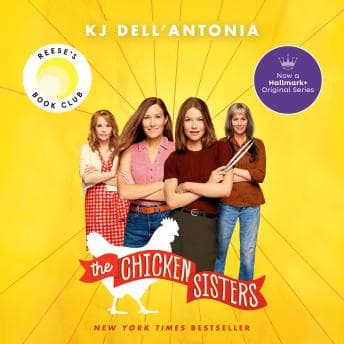
I picked up The Chicken Sisters because Denise and I were driving to visit her mother in Wisconsin, and I needed something light enough that I wouldn't miss plot points while she pointed out every barn we passed. (She loves barns. I love her. We compromise.) What I got was twelve hours of small-town Kansas family drama that hit way closer to home than expected - and not just because I grew up in a town where everyone knew whose grandmother had beef with whose great-aunt over a pie recipe from 1947.
The Voice in My Head (Times Two)
Here's the thing about dual narration that most audiobooks get wrong: they treat it like a gimmick. Two narrators! Fancy! But then both voices blend together and you forget who's who by chapter three.
Not here. Cassandra Campbell and Xe Sands do something genuinely smart - they make you feel the difference between Amanda and Mae before you even register it consciously. Campbell brings this warmth to Amanda, the sister who stayed home, married the "wrong" guy, and got stuck playing peacekeeper between two feuding chicken restaurants. There's a tiredness in her voice that isn't sleepy - it's the exhaustion of someone who's been holding things together for years while everyone else gets to have opinions about her choices.
And Sands? She makes Mae - the Brooklyn organizational guru who fled Kansas and built a whole brand around having her life together - somehow sympathetic even when Mae is being insufferable. That's not easy. Mae is the kind of character my students would call "annoying" in their reading responses, and they wouldn't be wrong. That same tension between ambition and authenticity runs through Lean In: Women, Work, and the Will to Lead, though Sandberg's approach is less fictional chicken restaurant, more corporate boardroom. But Sands finds the insecurity underneath the polish. You hear it in the slight hesitation before Mae's most confident pronouncements.
This is why we still read - or listen to - stories about sisters. The dynamics are universal. The petty rivalries. The old wounds that never quite heal. The way you can love someone and want to strangle them in the same breath.
When the Narrative Shifts
Look, I'm not going to pretend this book reinvents the wheel. It's a Reese's Book Club pick, which means it's designed to be enjoyable and accessible and probably make you cry once or twice while feeling good about humanity. The plot involves a reality TV show called Food Wars, which - okay, yes, that's a bit on the nose. The family secrets that emerge are exactly the kind of secrets you expect to emerge in this type of story.
But here's what KJ Dell'Antonia understands that a lot of contemporary fiction misses: the stakes don't have to be life-or-death to feel real. Amanda and Mae aren't fighting over an inheritance or a dark trauma. They're fighting over fried chicken and family loyalty and the fundamental question of whether leaving home makes you a traitor or staying makes you a coward.
I've had this argument with my own brother. Different context - he became a lawyer in New York, I stayed in Chicago teaching Faulkner to kids who'd rather be on TikTok - but the underlying tension? Identical. Who gets to claim the family legacy? Who abandoned it?
The prose deserves to be savored here. Dell'Antonia writes dialogue that sounds like actual people talking, which is rarer than you'd think. The audiobook format lets that shine. Campbell and Sands lean into the rhythms of Midwestern speech patterns without making it a caricature.
The Slow Burn That Paid Off
I'll be honest: there are stretches in the middle where the pacing drags. Around hour six, I found myself grading papers more than listening. The Food Wars setup takes a while to really get going, and some of the side characters feel underdeveloped. (Mae's love interest, in particular, exists mostly to be handsome and supportive. My students would hate this. I... didn't mind it, actually.)
But when the emotional payoffs come, they land. There's a scene near the end between the sisters that made me pull over the car because I couldn't see the road clearly. Denise thought something was wrong. I had to explain I was crying over fictional fried chicken. She was very understanding about it.
The narrators sell these moments completely. No melodrama. Just honest, earned emotion.
Would I Listen Again?
Probably not cover to cover - it's not that kind of book. But I've already recommended it to three colleagues who have complicated relationships with their siblings. It's comfort food in audiobook form. Warm, familiar, and exactly what you need when you're tired of books that try too hard to be Important.
Worth pausing the faculty meeting for? Absolutely. (Sorry, Principal Martinez.)