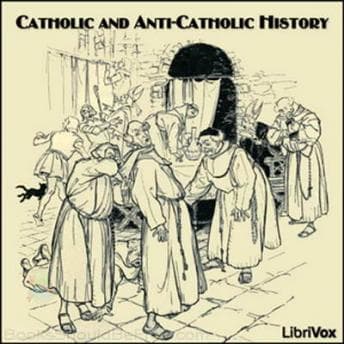

"History becomes propaganda, to the damage, not only to truth, but to the human soul."
That line stopped me cold. I was sitting in my truck outside a client's office in downtown Austin—waiting on a CEO who thinks being late is a power move—and I literally paused the audio. Rewound it. Listened again.
In my line of work, we call this Information Operations. PSYOPS. Controlling the narrative. But hearing G.K. Chesterton and Hilaire Belloc break it down in a context that's a hundred years old? It felt uncomfortably modern.
I picked this up because I had a weird gap in my schedule. Forty-three minutes. That's barely enough time to get through the traffic on I-35, let alone finish a Tom Clancy novel. I needed something short, sharp, and ideally, something that wouldn't make me dumber.
When History Becomes a Weapon
Here's the thing about military history—which is usually my go-to—the winners write the after-action reports. I've read reports on operations I was physically present for in Fallujah that bore zero resemblance to what actually happened on the ground. So when these authors start talking about "Anti-Catholic History," don't let the religious title scare you off if that's not your bag.
This isn't a sermon. It's an intelligence briefing on how bias works.
Chesterton and Belloc are heavy hitters. They don't do fluff. That same unflinching approach to uncomfortable truths shows up in Fire and Fury: Inside the Trump White House, though the target and era are completely different. They argue that history has been manipulated to serve specific political ends—specifically against the Church in England—but the tactical analysis applies to everything. Politics. Corporate media. That mess on Twitter.
The way they describe the "energetic rollout" of propaganda reminds me of how we used to track insurgent messaging. It's systematic. Not accidental. Black Experience in America, 18th-20th Century, Vol. 1 documents another case where the official story didn't match what actually happened on the ground. Listening to this, I found myself nodding along, thinking about how easily facts get buried under a convenient story. It's dense stuff, sure, but it's short. Hits you with a philosophical uppercut and then gets out. (My wife Linda would probably say I'm overthinking it and just enjoy the drive, but she's not the one who had to sift through intel reports for twenty years.)
Janet Baker: The Briefing Officer You Want
Usually, when you get into these older, public-domain style texts, you end up with a narrator who sounds like they're reading a eulogy for a distant relative they didn't like very much. Dry. Dusty.
Baker is the opposite. She attacks the text.
She's got this clear, energetic delivery that actually keeps you awake. And thank God for that, because Chesterton's sentence structures can be a maze. If you have a monotone narrator reading Belloc, you're going to zone out and miss the point. Baker punches the emphasis where it needs to be. She sounds like she actually understands the argument, not just reading words off a page.
It's not a theatrical performance—she's not doing voices or sound effects—but it's competent. Reminds me of a really good briefing officer. Someone who knows the material is dry but knows the stakes are high, so they project. Ranger, my German Shepherd, usually falls asleep the second I turn on a history book. He actually stayed alert for the first ten minutes of this one. I'll take that as an endorsement.
43 Minutes, Zero Filler
Look, is this going to be for everyone? No.
If you're looking for a thriller with chase scenes, go buy the new Jack Carr. This is intellectual combat. Three guys arguing about truth and historiography.
But here's why it's worth the listen: It's respectful of your time.
In the security business, we value brevity. Get in, state the threat, propose the solution, get out. This audiobook does exactly that. It lays out the problem—history is skewed by the powerful—and challenges you to look at the source material.
Who's this for? Anyone who questions official narratives. History buffs who want something they can finish in a commute. People tired of 20-hour slogs who still want substance. Skip it if you need action or can't stomach century-old prose, even with a good narrator.
It's a solid palate cleanser between the epics I usually listen to. Made me think about what "truths" I accept without checking the source. And honestly, in this day and age, that's a survival skill.
Mission Complete
So, yeah. It's short. It's old school. But the coffee was still hot when it finished, and I felt a hell of a lot smarter than I did when I started the engine.



![Steve Jobs [unabridged audiobook] audiobook cover](/_next/image?url=https%3A%2F%2Fcovers.audiobooks.com%2Fimages%2Fcovers%2Ffull%2F9788499923406.jpg&w=1920&q=75)