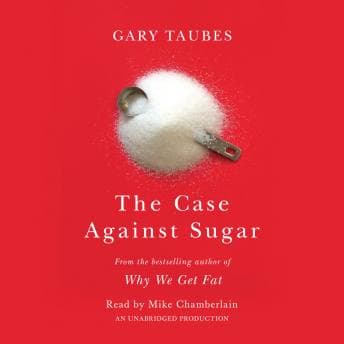

I went into this expecting another generic "eat your veggies" lecture. I get enough of those from my doctor (and my wife, Jenny). But Gary Taubes isn't writing a diet book here. He's writing a criminal indictment.
Most business books I read are fluff. "Dream big," "Fail fast," whatever. This is different. This is an 11-hour case study on how an entire industry can gaslight a population for a century. And honestly? It's terrifying.
The Voice of Clinical Doom
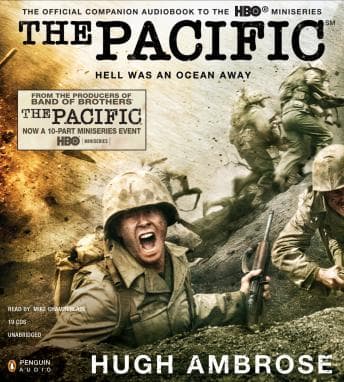
Mike Chamberlain narrates this. I couldn't find much on his background before hitting play, but the guy sounds like he's delivering a post-mortem on a failed merger. And for this book? It works.
He's got this frank, modulated tone that screams "I have the data, and you're not going to like it."
(I listened at 2.0x speed, obviously. Chamberlain's diction is crisp enough to handle the acceleration without turning into mush. That's a rare skill.)
He doesn't try to make the science "fun." He doesn't do silly voices for the scientists. He just lays out the evidence—sugar as a toxin, sugar as a driver of chronic disease—with a steady, persuasive rhythm. It's the kind of voice that makes you slowly put down the donut you were eating.
When the ROI is Sickness
Here's the thing that got me. Taubes frames sugar exactly like tobacco.
Coming from a consulting background, I see the patterns immediately. Powerful lobbies, funded research to confuse the public, the "calories in, calories out" fallacy designed to shift blame to the consumer. It's the same playbook Big Tobacco used for decades.
Taubes argues that sugar isn't just "empty calories"—it's a fundamental metabolic disruptor. He goes deep into the history. Like, really deep. We're talking about how sugar went from a luxury spice to a staple that's in literally everything. My parents ran a dry cleaning business; they lived on sugary coffee and cheap snacks because it was cheap fuel. Listening to this, I realized that "fuel" was probably killing them slowly. The self-discipline framework in No Excuses! would say it's about willpower, but Taubes argues the game was rigged from the start. That hit harder than I expected.
There are moments where the science gets dense. Taubes dives into insulin resistance and liver function, and if you're not paying attention, you'll get lost. I had to rewind a few times (which kills my efficiency metrics, but whatever).
Who Gets Value Here (And Who Doesn't)
If you treat your health like a business asset—which you should—this is mandatory due diligence. Skip it if you want quick diet tips or a feel-good wellness read; Taubes is here to prosecute, not motivate. Why We Get Fat, also narrated by Chamberlain, covers similar ground with less historical scope but more practical application if you want the shorter version.
The Audit Report
Look, this isn't a fun listen. It's not going to make you feel good about your morning latte. But from a risk management perspective? It's essential due diligence for your body.
Chamberlain's delivery is dry, yes. But the content is explosive enough that you don't need a narrator doing cartwheels. Just be prepared to overhaul your pantry afterwards. Jenny is already mad that I threw out the ice cream.