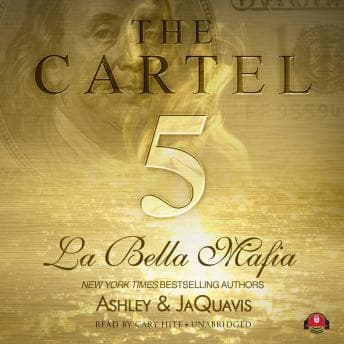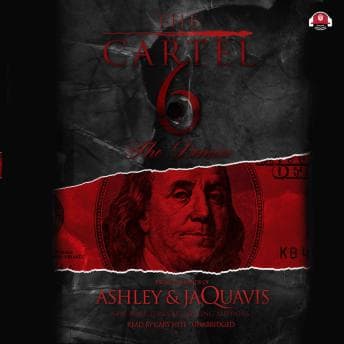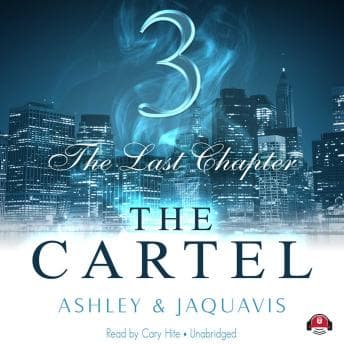

This isn't the kind of book I'd typically discuss with my AP Lit students. But here's the thing - I finished grading a stack of Gatsby essays at 11:47 PM, poured myself something amber, and needed fiction that moved. The Cartel 3 moved.
I came to this series late, after a former student (now doing her MFA, thank you very much) told me I was being a snob about street lit. She was right. Ashley & JaQuavis write with the kind of propulsive urgency that Hemingway would've respected - short chapters, declarative sentences, consequences that stick.
The Final Act Problem
Let me be direct: this ending frustrated me. And I've taught enough Shakespeare to know that not every conclusion needs to tie up neatly. But there's a difference between deliberate ambiguity and leaving your audience wondering if pages went missing. Carter's fate feels unresolved in a way that reads less like artistic choice and more like sequel setup. Miamor's arc, which carries genuine emotional weight through the first two-thirds, rushes toward something that doesn't quite earn its climax.
My students would call this "mid." I'd call it a structural stumble in an otherwise propulsive narrative.
But here's what the authors get absolutely right: stakes. Breeze trapped with Ma'tee isn't just plot machinery - it's genuinely uncomfortable, genuinely tense. The Diamond empire fracturing under Zyir and Mecca's leadership while Carter sits in federal custody? That's classical tragedy structure, whether Ashley & JaQuavis intended it or not. The sins of the past returning to haunt Mecca follows a pattern as old as Oedipus.
Cary Hite Understands the Assignment
I've listened to enough mediocre narration to know when someone's phoning it in. Hite isn't. His voice shifts between characters aren't just technical differentiations - they carry class markers, regional inflections, power dynamics. When he voices the Diamond brothers, you hear the hierarchy. When he shifts to Miamor, there's steel underneath the femininity.
One listener described feeling "enveloped" by his narration, moving "from desolation to hope, joy to sorrow." I'd put it differently: Hite treats this material with the same respect a classical actor brings to Shakespeare. The text is violent, explicit, morally complex - and he never condescends to it.
Apparently some listeners prefer Stephen L. Taylor for this series. I can only speak to what I heard. Hite earned his Earphones Award.
Who Should Press Play (And Who Should Walk Away)
If you've invested in the first two books, you need this conclusion - even with its flaws. That's just how series work. You don't read two-thirds of a novel and quit.
If you're coming to this cold? Don't. This is the third act of a larger story, and it assumes you know these people, their histories, their betrayals. Starting here would be like walking into King Lear during Act Five and wondering why everyone's so upset.
If you're a literary fiction reader curious about street lit as a genre - this isn't your entry point. Start with book one. But don't dismiss the genre. The best street fiction does what the best crime fiction has always done: it examines power, loyalty, and consequence through characters the mainstream would rather not see. That same unflinching examination of consequence drives Works of Edgar Allan Poe, Raven Edition, Volume 1, though Poe wraps his moral reckonings in Gothic atmosphere rather than street-level realism.
The Pacing Question
At seven and a half hours, this moves. Maybe too quickly in places - the resolution feels compressed, like the authors were racing toward a word count. But I never found my attention wandering, and I say this as someone who regularly zones out during faculty meetings about parking lot procedures.
I listened at 1.0x because the prose deserves to be heard at the speed it was written. Hite's emotional beats need their full duration. Speed this up and you'll miss the weight of certain silences.
Class Dismissed
Almost worth pausing the faculty meeting for. This is a flawed conclusion to a compelling series - the kind of book that frustrates precisely because you can see what it could have been with another fifty pages of resolution. The narration elevates the material. The emotional stakes land. But that ending left me, like other listeners, "sitting baffled for a minute," wondering about fates that deserved clearer answers.
My students would say the authors "did us dirty." I'd say they wrote themselves into a corner and chose momentum over closure. Both things can be true.
If you've come this far with the Cartel, finish the journey. Just know the destination might leave you wanting.