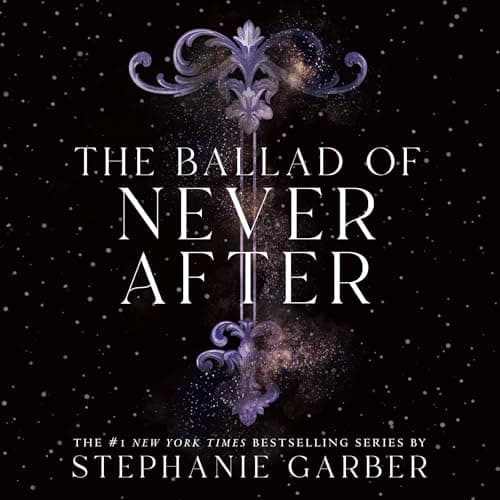

Look, I'm going to be honest with you. When Jenny suggested I listen to a YA fantasy about a magical game show, I actually laughed. Out loud. In my home office. This is not my wheelhouse. I'm the guy who times how long it takes business authors to get to their actual point (average: 47 minutes). But here's the thing—sometimes the best frameworks for understanding human behavior come from unexpected places.
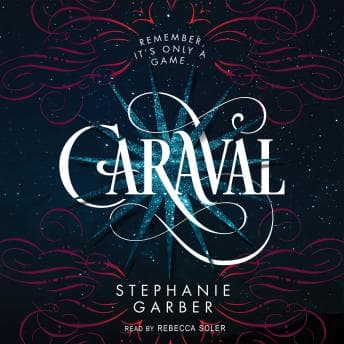
And Caraval? It's basically a masterclass in behavioral economics wrapped in velvet and glitter.
The ROI on Magical Thinking
Stephanie Garber built something here that my parents would've recognized instantly—a system where the rules keep shifting, where nothing is what it seems, and where the cost of playing is always higher than advertised. That's not fantasy. That's every startup pitch I've ever sat through. The manipulation tactics here would pair well with Practical Guide to Self-Hypnosis—both are about getting people to accept alternate realities.
Scarlett's journey through Caraval is essentially a case study in sunk cost fallacy. She keeps investing—emotionally, physically, strategically—because she's already invested so much. The game's mastermind, Legend, understands something fundamental about human psychology: people don't quit when they should. They double down. I've watched this exact pattern destroy three Series B companies.
The world-building is dense. Really dense. Garber describes colors that evoke emotions, sounds that taste like things, sensory details layered on sensory details. At 1.5x speed (yes, I slowed down from my usual 2.0x—don't tell anyone), it's actually... kind of intoxicating? That immersive, present-moment quality reminded me why Power of Now works—sometimes you need to stop optimizing and just experience something. The production quality is clean, and some editions apparently have musical scores. Mine didn't, but honestly, I didn't miss it.
Rebecca Soler Earns Her Fee
Here's where I'll give credit where it's due. Rebecca Soler could read a quarterly earnings report and make it sound like a thriller. Her narration is the key differentiator here—distinct character voices, emotional delivery that doesn't tip into melodrama, pacing that knows when to breathe and when to sprint.
One listener quote I found said Soler "could read anything and get me to like it." That's not hyperbole. When Scarlett's yearning for escape comes through, when Legend's whispers carry that edge of menace—that's craft. Publishers Weekly named this one of the best audiobooks of 2017, and the narration is why.
The romance elements are... present. Very present. If you're allergic to will-they-won't-they tension, this isn't for you. But Soler handles the emotional beats without making them saccharine. There's a gut-punch quality to some scenes that—okay, fine, I felt something. Jenny was right. Again.
The Bottom Line (Because I Know You Skipped Here First)
This is not a business book. Obviously. But if you're looking for something to turn your brain off during a long flight or a particularly brutal commute, and you can appreciate a well-constructed immersive experience, it delivers.
Best for: YA fantasy fans, romance readers who like their tension slow-burn, anyone who needs a mental vacation from spreadsheets. The 10-hour runtime flew by, which is more than I can say for most 8-hour business books I've suffered through.
Skip if: You need your audiobooks to provide actionable frameworks. You hate romantic subplots. You're impatient with descriptive prose. (I usually am, but Soler's delivery made it work.)
There's a bonus author interview at the end that's actually worth listening to—Garber talks about her creative process in a way that's refreshingly honest. No "I just let the muse guide me" nonsense. She talks about structure, about intentional choices. My consultant brain appreciated that.
Would I listen to the sequel? Yeah, probably. During my next cross-country flight. At 1.5x speed.
Jenny is going to be insufferable about this.