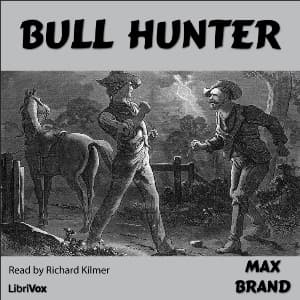

A lot of old westerns get by on dust, swagger, and nostalgia. This one almost does. I listened to Bull Hunter on a late-night drive back from San Antonio, coffee going cold in the cup holder, and my first reaction was pretty simple: there's a solid frontier yarn here, but the audiobook presentation keeps stepping on its own bootlaces.
When Max Brand locks onto the central collision between Bull Hunter and Pete Reeve, though, the thing starts to earn its keep.
The man is built like a campfire legend
Let me cut to the chase: Bull Hunter works best when it leans into the absurd scale of its title character. This is not a subtle western hero. This is a man described as strong enough to rip a tree trunk out of the ground with his bare hands, yet gentle enough to tame a wild stallion through patience instead of brute force. That contrast is the whole engine of the book. Bull isn't just "the strong one." Brand makes him feel like a walking rumor - half myth, half decent man - and that gives the story some weight beyond a standard showdown.
Then you've got Pete Reeve, who comes at the world from the opposite direction. Pete's reputation as a dead shot isn't built on blind confidence or flashy nonsense. He's practical. Measured. The kind of man who survives because he thinks before he moves. So when Bull and Pete finally cross paths, the tension isn't just about who wins a fight. It's about two different ways of being dangerous.
And that face-off? That's the reason to listen. Townsfolk bracing for the clash, everyone calculating what happens when raw force meets precision - I've seen this scenario play out in real life, not in saloons but in command rooms. Two men, two reputations, and the people around them reacting before the first move is even made. Brand understands that the anticipation is often better than the punch.
What surprised me, honestly, was how much the book runs on identity and perception. Bull's strength and kindness make him unusual for this kind of pulp western, and Pete's practical edge keeps him from becoming a cardboard gunman. It's still a lean, old-school adventure. But there's enough under the hood that it doesn't feel like empty six-shooter cosplay.
Where the saddle starts squeaking
This is where it lost me - not the story so much as the audio.
Richard Kilmer has the right basic instrument for this material. His narration is clear, plain, and unadorned. No fancy dramatics. No overcooked "cowboy voice" nonsense. For a Max Brand western, that simple approach makes sense. The author's doing the heavy lifting; the narrator just needs to stay out of the way.
Problem is, he doesn't always.
There are audible verbal tics - little "uh" stumbles, filler sounds, and the occasional mouth noise or spit sound that should've been cleaned up before release. Not constantly. But enough that I noticed, and once you notice it, your brain starts waiting for the next one. That's bad audio discipline. Mission not accomplished.
A few spots also have that slightly uncertain pacing where a sentence lands flatter than it should, as if Kilmer is reading line by line rather than telling the story. In a short audiobook - just 5 hours and 44 minutes - that matters more, not less. There isn't enough runway for a sluggish delivery to hide.
I also ran into moments where enunciation felt a little soft or off. Not catastrophic. I never felt lost. But I did feel nudged out of the story more than once. And for a western, where atmosphere depends on rhythm and confidence, that's a real problem.
At 1.0x, the pacing dragged for me. At 1.25x, it tightened up noticeably. That speed gives the book a little more backbone and trims some of the dead air around those rougher reads. Ranger approved this one at 1.25x, and he's got decent instincts for these things.
Who Should Listen (And Who Should Skip)
If you like classic western fiction - and I mean classic, not revisionist, not hyper-violent prestige westerns with ten pages of trauma per chapter - there's something to like here. Bull Hunter has that campfire-story quality where a man's reputation arrives before he does. It trades in legend, showdown tension, and frontier morality. You can hear the bones of why Max Brand lasted. I ran into that same campfire-legend quality — protagonist reputation arriving before the man himself does — over in Formidable Miss Cassidy, though that one delivers a sharper production to go with it.
But this audiobook version is not for listeners who are sensitive to production flaws. If mouth sounds or unedited hesitations make you twitch, skip this recording and go read the text instead. Same if you need a narrator with strong character differentiation or polished studio quality. You're not getting that here.
- Western fans who can tolerate rough-around-the-edges narration — saddle up.
- Listeners interested in old pulp adventure and larger-than-life protagonists — you'll find your trail here.
- People using a library app or subscription credit they don't mind spending lightly — low-risk listen.
- Anyone wanting premium production — move on.
- Anyone already impatient with slower classic storytelling — this isn't your fight.
- Anybody who hears one stray "uh" and starts plotting revenge — save yourself the aggravation.
SITREP
The book itself is better than the package delivering it. There's a sturdy showdown premise, a memorable contrast between Bull's freakish strength and his oddly kind nature, and enough tension around Pete Reeve to keep things moving. But the narration issues stop this from being an easy recommendation.
Borrow or stream it if you've got a soft spot for old westerns and a little patience. Don't burn a full credit. There's good trail ahead - just a few too many rocks in the saddle.