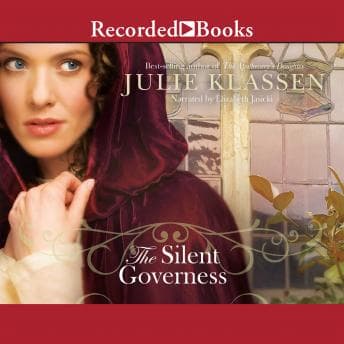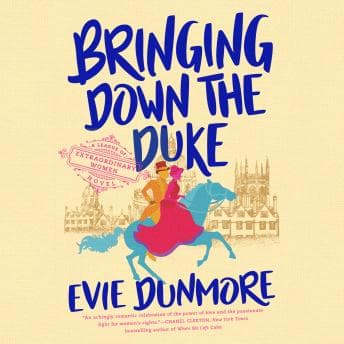

I was up at 2 AM finishing a logo rebrand I'd been putting off for weeks, running on cold coffee and spite, when Annabelle Archer walked into the Duke of Montgomery's estate and I literally stopped dragging anchor points because I needed to just... listen. That's the thing about this book. It sneaks up on you. One minute you're half-listening to Victorian parlor politics, the next you're clutching your chest because a woman with nothing to her name just told the most powerful man in England that she will not be his mistress, thank you very much.
This book felt like my abuela's telenovelas got a Oxford education and a feminist backbone.
She's Got a Scholarship and Zero Chill
Annabelle Archer is broke. Like, genuinely destitute - not the cute Regency kind of poor where you still have a country cottage. She's a vicar's daughter who clawed her way into Oxford's first class of women, and the price of her scholarship is recruiting powerful men to the suffragist cause. Enter Sebastian Devereux, the Duke of Montgomery, who is basically a walking ice sculpture with political ambitions and an inconvenient attraction to the one woman who could ruin his carefully constructed life.
What got me - what REALLY got me - was the house party sequence. Annabelle and her suffragette friends infiltrating Sebastian's ducal home is so cleverly staged. These women are operating like a little political insurgency in ball gowns, and Dunmore writes their friendship with such warmth that I kept grinning through my midnight design session. Frida was asleep on my keyboard and even she seemed invested (she wasn't, but let me have this).
But here's where the book does something brave and also kind of uncomfortable: Sebastian doesn't just fall for Annabelle. He propositions her. As his mistress. Repeatedly. And look - I get it, historically accurate power dynamics, class divide, blah blah. But there were moments where his declarations of affection felt more like a negotiation tactic than a love confession, and I had to sit with that discomfort. The tension between wanting him to be the swoony hero and recognizing he's offering her a cage with silk curtains? That's where the real emotional weight lives. Dunmore doesn't let you off the hook. She makes you feel how trapped Annabelle is - how every choice available to her is some variation of compromise.
My heart. MY HEART.
Elizabeth Jasicki Knows What She's Doing
Okay, so Elizabeth Jasicki's narration. Her Annabelle is close to her natural speaking voice, which is smart - it keeps things grounded and intimate, like Annabelle is confiding in you directly. Where she really shines is the contrast work. Sebastian gets this clipped, controlled delivery that cracks open in tiny ways when Annabelle pushes his buttons, and you can literally hear his composure slipping. Jasicki captures his annoyance so precisely that I found myself laughing at a duke being emotionally outmatched by a woman who owns approximately two dresses.
And then there's Catriona's soft Scottish accent - a small thing, but it immediately sets her apart from the other suffragettes and gives the friend group real texture. Jasicki isn't doing wild vocal acrobatics. She's doing something harder: she's being subtle. The emotional shifts land because she trusts the quiet moments instead of overselling them.
I listened at my usual 1.0x because I wanted every loaded silence between Annabelle and Sebastian to breathe. Some people apparently bumped it to 1.5x and lived to tell the tale, but at 12 hours, this is a book that rewards patience. The slow burn needs oxygen.
The Power Imbalance Is the Point (and Also the Problem)
Here's where I got complicated feelings. The class divide between Annabelle and Sebastian isn't just a plot device - it IS the plot. She literally cannot say yes to him on equal terms because equal terms don't exist for them. And Dunmore knows this. She wrote it on purpose. But there were stretches where Sebastian's repeated "I want you, be mine" energy started feeling less like romantic tension and more like - I don't know - a man who's used to acquiring things trying to acquire a person. And I think whether this book works for you depends entirely on whether you trust the author to make him earn his redemption.
I trusted her. Mostly. The payoff is good. Annabelle's sense of self-worth never wavers, and that's what saves the romance from tipping into something icky. She doesn't topple the duke by changing herself. She topples him by refusing to. That kind of quiet, unshakeable self-possession in a protagonist is so rare - I chased that same feeling in People Like Us, where the emotional stakes are built the same way, through what a character refuses to become rather than what they gain.
I ugly-cried exactly twice. Once during a scene where Annabelle confronts the reality of what being his duchess would cost her independence, and once at the end, which I won't spoil but - Abuela would have loved this one. She would've been yelling at Sebastian through the first half and dabbing her eyes by the last chapter.
Who Gets the Invitation to This House Party
If you love slow-burn historical romance with actual political stakes - not just corsets-as-decoration but women fighting for the vote while falling in love - this is your book. If power imbalances in romance make you itchy regardless of context, maybe borrow before you buy. And if you want a narrator who does emotional restraint better than most people do emotional fireworks, Elizabeth Jasicki is worth your ears.
The vibes are immaculate. Victorian feminism meets impossible love meets a duke on his knees. The chemistry is chef's kiss. I'm starting book two tonight.