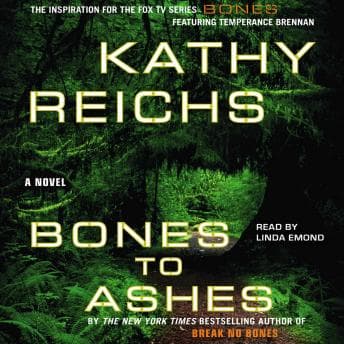

I was shelving returns at 9 PM - the branch was empty, just me and the hum of fluorescent lights - when I realized I'd been standing motionless in the 364.152 section (true crime, for the non-Dewey-initiated) for a solid fifteen minutes. Linda Emond had me frozen between the stacks, listening to Tempe Brennan explain what skeletal lesions can tell us about a victim's final months. Not my usual horror fare, but here's the thing: forensic anthropology IS horror. It's just horror that already happened.
Kathy Reichs doesn't write supernatural dread. She writes the dread of knowing - of understanding exactly what violence does to a body, and having to piece together a person from what's left. Bones to Ashes gets this. It understands that the real terror isn't the monster under the bed. It's the monster who walks among us, who took three girls and left two dead, and who Tempe might have brushed past in the grocery store thirty years ago without knowing.
When the Case Gets Personal (And the Pacing Gets Complicated)
Look, I'll be honest. This one takes its time. The first couple hours feel like Reichs is building a house brick by brick - Tempe's childhood memories of Evangeline, the French-Canadian setting, the dual investigation with Ryan. If you're coming off a fast-paced thriller, you might get antsy. I almost switched to 1.25x during hour two.
But I'm glad I didn't.
The slow burn works because this isn't just another case for Tempe. Evangeline was her person - the exotic, mysterious friend who disappeared and left a hole that never quite closed. When Tempe finds that skeleton in Acadia, she's not just a forensic anthropologist. She's an eight-year-old girl again, wondering what happened to her best friend. That emotional weight needs room to breathe.
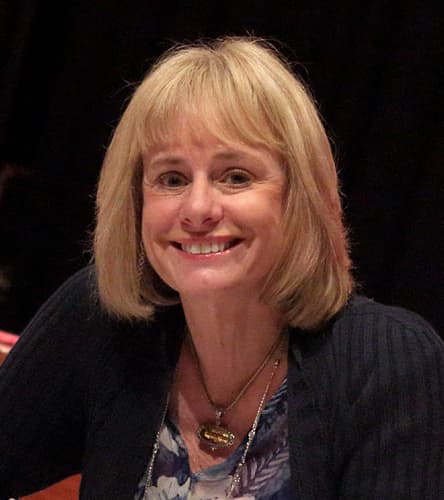
The technical stuff? Yeah, it's heavy. Reichs is the real deal - certified forensic anthropologist, producer of Bones, the whole resume. She doesn't dumb down the science, and some listeners will find that tedious. I found it grounding. When Tempe examines those strange skeletal lesions, I believed every word because Reichs clearly knows exactly what she's talking about.
Linda Emond Knows Tempe Brennan
Here's where this audiobook earns its keep. Emond's narration is - and I don't use this word lightly - intelligent. She captures Tempe as someone who thinks before she speaks, who processes information like a scientist even when her heart is breaking. The French-Canadian accents are solid without being cartoonish. She shifts between Tempe's professional detachment and her personal anguish without ever overselling either.
No dramatic gasps. No theatrical pauses. Just clear, confident delivery that trusts the material. That same restraint elevates Nine Perfect Strangers, where the narrator's control makes the unraveling hit harder. (Shirley Jackson walked so narrators like this could run.)
The character differentiation is subtle but effective - Ryan sounds different from the local cops, the suspects have their own cadences. Nothing flashy, but nothing needs to be. This is a procedural with emotional stakes, not a theatrical performance piece.
The Dual Investigation - Or Why I Stayed Up Until Midnight in the Stacks
Ryan's cold case investigation runs parallel to Tempe's obsession with Evangeline, and watching these threads weave together is genuinely satisfying. Two girls dead. Three missing. Could the New Brunswick skeleton be part of the pattern? The question haunts the narrative like - well, like a ghost, honestly. Poe understood this kind of haunting too - the way unanswered questions linger longer than any supernatural specter. Reichs knows how to plant doubt and let it fester.
I kept expecting the obvious answer. I kept being wrong.
The content warnings are real, by the way. Violence against young women, abuse, the whole ugly spectrum of what humans do to each other. Reichs doesn't sensationalize it, but she doesn't flinch either. If you're sensitive to crimes against children, approach with caution.
Who Should Listen (And Who Should Maybe Skip)
If you want action-packed thriller pacing, this isn't it. If you want horror that respects the genre - that understands dread comes from knowing, not from jump scares - this delivers. Fans of forensic procedurals will feel right at home. Newcomers to the Temperance Brennan series can jump in here, though you'll miss some relationship context with Ryan.
My podcast listeners who love slow-burn psychological horror? You need this. The ones who scare easily? Maybe skip the detailed forensic analysis sections. Or don't. Sometimes the clinical language makes it worse.
Closing the Book in the 364.152 Section
I finished this audiobook in the library parking lot at 11:47 PM, staring at nothing, thinking about childhood friendships and the people who disappear from our lives. Reichs gave me something I wasn't expecting: genuine emotional weight wrapped in meticulous forensic detail. Emond delivered it with exactly the right restraint.
Not a horror novel. But horrifying in all the ways that matter. Finally, forensic fiction that respects what bones can tell us - and what they can't.