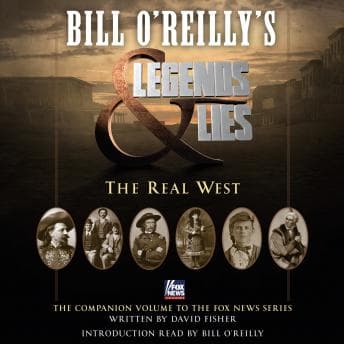

Look, I have a serious problem with how Hollywood handles firearms. You see a guy fire twenty rounds from a six-shooter without reloading, and I'm already yelling at the screen. My wife Linda hates it. So when I saw a book claiming to separate the "Legends" from the "Lies" of the Wild West, I figured, alright—let's see if they can get the ballistics right.
I loaded this up on a drive down to San Antonio for a site survey. Three hours of windshield time. Perfect for a history lesson, right? Well, sort of.
Luke Duke in the Booth
First things first—the narrator is Tom Wopat. Yeah, Luke Duke from The Dukes of Hazzard. Haven't thought about that show since I was a kid.
Here's the thing about Wopat—he's got the voice for a western. Gruff, clear, sounds like he's seen some dust. But the direction he got must have been weird. He tries to do voices. Full-on character acting for historical figures. Sometimes it works, adds a little flavor. Other times? Distracting.
(And don't get me started on the mispronunciations. I swear he butchered a few place names that any American should know. Like a Lieutenant reading a map upside down—confident, but wrong.)
It's theatrical. A bit over the top. If you want a dry, academic recitation, this ain't it. Wopat is performing a script, not reading a textbook. Once I accepted that—and stopped expecting a lecture from a professor—it was easier to just roll with it. Ranger, my German Shepherd, slept through the whole thing, so at least the yelling didn't wake him up.
When the Smoke Clears
The content itself? Pop History 101.
O'Reilly and Fisher aren't trying to write the definitive biography of Kit Carson or Billy the Kid here. They're giving you the highlight reel. The blood and the guts.
I appreciated the grit. Having been in a few kinetic situations myself, I know that combat isn't romantic. It's messy, it's loud, and it smells bad. This book does a decent job of stripping away the John Wayne varnish. The stories about the Alamo and Black Bart—they emphasize the brutality and the luck involved in survival.
But—and this is a big but—it feels shallow. O'Reilly does the same thing in Killing Kennedy—punchy, fast-moving, designed for mass appeal rather than deep analysis.
It moves fast. Super fast. You get the headline version of these lives. Written in this punchy, almost TV-script style (which makes sense, since it's a companion to a TV show). If you want something with more meat on the bones, Radium Girls delivers real investigative depth on American history without dumbing it down. If you're a history buff who already knows about the Lincoln County War, you're not gonna learn anything new here. Recycled intel.
Mission Debrief
So, is it worth the credit?
Depends on the mission. If you want a deep, scholarly analysis of 19th-century frontier socio-economics, turn the convoy around. You're in the wrong sector. This is written at maybe a middle-school level. Simple sentences. Big drama.
But if you're stuck in traffic on I-35 and you want to hear some cool stories about outlaws getting shot, it does the job. Kept me awake. Made the miles go by.
Who's this for: Casual history fans, road-trippers who want entertainment over education, anyone who liked the TV series. Skip it if: You already know your way around the Lincoln County War or you want actual scholarly depth.
Just don't treat it as the gospel truth, despite the title. It's entertainment first, history second. And sometimes, after a long week of dealing with corporate security audits, a little simple entertainment is exactly what I need.





![Steve Jobs [unabridged audiobook] audiobook cover](/_next/image?url=https%3A%2F%2Fcovers.audiobooks.com%2Fimages%2Fcovers%2Ffull%2F9788499923406.jpg&w=1920&q=75)