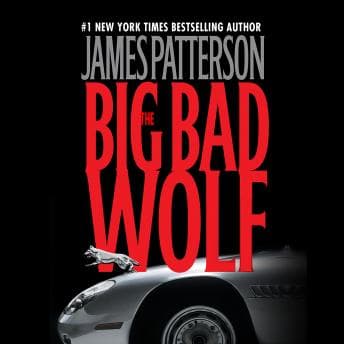

Look, I have a complicated relationship with James Patterson. The man writes like he's being paid per chapter break—which, given his output, maybe he is. I had similar thoughts about his pacing in 20th Victim, though that one leaned harder into the procedural elements. But here's the thing about Big Bad Wolf: it's a fascinating case study in how a skilled narrator team can elevate what could be pulpy material into something that genuinely gets under your skin.
I picked this up during a week of particularly brutal commutes through Cambridge traffic. Construction on Mass Ave, the T being the T, you know the drill. I needed something that would keep me from losing my mind at every red light. Eight hours later, I'm pulling into my parking spot and just... sitting there. Engine off. Waiting to hear what happens next. That hasn't happened to me in a while.
The Psychology of the Wolf
Patterson does something interesting here that I don't think he gets enough credit for. The Wolf—this shadowy figure running a human trafficking operation—isn't just a villain. He's a type. Classic antisocial personality traits, sure, but there's a calculated grandiosity that makes him genuinely unsettling. Denis O'Hare voices him with these Russian-accented growls that made me check my rearview mirror more than once. (Paranoid? Maybe. But that's the mark of effective thriller narration.)
What makes this character compelling is the contrast with Cross. Alex is methodical, empathetic, driven by connection. The Wolf treats humans as commodities. It's not subtle psychological commentary, but Patterson understands something fundamental about criminal psychology: the most dangerous predators don't see their victims as people. O'Hare captures that coldness perfectly—no mustache-twirling, just this chilling matter-of-factness.
Research actually shows that listeners respond more viscerally to calm evil than to theatrical evil. O'Hare clearly got that memo. Sign of The Four uses a similar approach with its villain—understated menace that's far more effective than scenery-chewing.
Peter J. Fernandez Does the Heavy Lifting
Here's where I need to give credit. Peter J. Fernandez brings a warmth to Alex Cross that—honestly—isn't always present in Patterson's prose. The man has won three AudioFile Earphones Awards and an Audie, and you can hear why. There's a soulfulness to his delivery that grounds all the FBI procedural stuff. When Cross is navigating his complicated feelings about Christine coming back into his life, Fernandez doesn't oversell it. He lets the tension simmer.
The dual-narrator approach works surprisingly well. You'd think switching between voices would be jarring, but the contrast actually reinforces the psychological divide between protagonist and antagonist. Cross's sections feel human, grounded. The Wolf's sections feel like you're eavesdropping on something you shouldn't be hearing.
One thing that bugged me, though: why does the production team think we need background music? There's this unnecessary score that pops up at the worst moments. Right when the tension is building, some dramatic strings kick in like a bad Law & Order episode. Distracting. Unnecessary. My therapist would have thoughts about whoever made that creative decision.
Where the Narrative Hits and Misses
Patterson's signature style—those short, punchy chapters—works beautifully in audio format. You're never more than a few minutes from a cliffhanger, which is perfect for stop-and-go traffic or a morning jog. The pacing matches the suspense. When Cross is chasing leads, the narration speeds up. When he's reflecting, it breathes.
But let's be real. Some of the plot twists are... a lot. There's a maudlin quality to certain reveals that plays differently when you hear them spoken aloud versus reading them on the page. A few moments made me wince—not because they were bad, exactly, but because they felt engineered for maximum emotional manipulation. Patterson knows what he's doing (the man has sold more books than most countries have people), but sometimes you can see the gears turning.
The human trafficking subject matter is handled with appropriate gravity, but I should warn you: this book doesn't pull punches. Violence, torture, sexual assault—it's all there. If you're sensitive to those themes, this isn't your listen.
Who's This For (And Who Should Skip It)
If you want a propulsive thriller that'll make your commute disappear, and you can stomach dark subject matter, this delivers. Skip it if you need content warnings or prefer your crime fiction without explicit violence—Patterson doesn't soften the edges here.
The Final Diagnosis
Probably wouldn't listen again—but that's not a criticism. This is a propulsive, one-and-done thriller that does exactly what it promises. Fernandez and O'Hare make a solid case for why audiobooks can be the superior format for this genre. The characterizations are sharp, the pacing is tight, and despite the annoying music, the production is clean.
Is it literature? No. Is it a deep dive into character psychology? Also no. But as a thriller that kept me engaged through a week of hellish commutes and made me actually look forward to traffic? That's worth something. Patterson understands human nature—at least the dark parts of it. Sometimes that's enough.