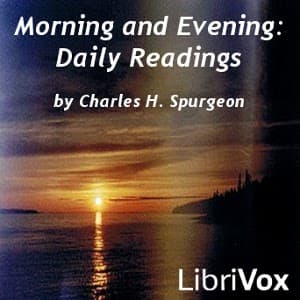

Everyone says the Psalms are meant to be sung. Read them silently and you're missing half the point—they're ancient hymns, performance poetry from three thousand years ago. So when I stumbled across this LibriVox collection while grading sophomore essays on The Odyssey at 11 PM, I figured: why not hear them the way they were intended? Fifteen minutes. Nine psalms. Nine different voices.
I wasn't prepared for how much that last part would matter.
Nine Voices, Nine Interpretations
Here's what's fascinating about this particular recording—it's essentially a choral experiment in biblical interpretation. Each volunteer brings their own reading to their assigned psalm, and the variations are striking. One reader approaches Psalm 23 with the quiet intimacy of someone praying alone in a chapel. Another tackles Psalm 100 with the declarative energy of a town crier. The World English Bible translation itself is clean, modern, stripped of the thees and thous—which means the interpretation falls entirely on the reader.
This is both the collection's strength and its limitation. You're not getting a unified artistic vision here. You're getting a potluck. Some dishes are better than others.
The amateur nature of LibriVox shows throughout. Recording quality shifts between psalms—one reader sounds like they're in a professional booth, another has the faint echo of a home office. Pacing varies wildly. But there's something honest about that unevenness. These aren't actors performing scripture. They're volunteers reading words that clearly mean something to them. You can hear the difference.
What the Translation Gives (And Takes)
The World English Bible is an interesting choice for audio. It's a public domain translation updated from the 1901 American Standard Version, which means it prioritizes accuracy over poetry. "The Lord is my shepherd; I shall not want" becomes "Yahweh is my shepherd; I shall lack nothing." Technically more precise. Rhythmically? Flatter.
But here's what I kept thinking as I listened—this is how my students encounter these texts. Not through the King James cadences that my generation absorbed through cultural osmosis, but through these cleaner, more accessible translations. And honestly? Hearing "Yahweh" instead of "Lord" creates a different relationship with the text. It's more foreign. More ancient. It reminds you these words weren't written in English at all.
For teaching purposes, that's actually valuable. The defamiliarization forces you to hear the imagery fresh. "He makes me lie down in green pastures. He leads me beside still waters." Without the King James music to carry you, you have to actually picture it.
Fifteen Minutes of Devotional Pause
Let me be honest about what this is and isn't. This is not a comprehensive Psalms experience. It's nine selections, chosen for an Easter celebration back in 2006. A devotional sampler, not a study resource. At fifteen minutes, you could listen during a coffee break. A morning walk. The gap between classes when you're hiding in your car pretending to check emails. (Principal Martinez, if you're reading this, I was definitely reviewing curriculum.)
What it does well is remind you that scripture was meant to be heard. The Psalms especially—they're songs without their music, and a human voice gives them back some of what was lost. Even imperfect voices. Maybe especially imperfect voices. There's something appropriate about regular people reading these words rather than trained performers. It feels less like a recital and more like a prayer meeting.
Mr. Williams's Margin Notes
Who should listen: Anyone curious about hearing scripture in a modern translation. Students of biblical literature who want to experience the Psalms aurally. People who grew up with King James and want to hear how different a contemporary translation sounds. It's free, it's brief, and it's earnest.
Who should skip: If you're looking for theatrical performance or professional production values, this isn't it. If you want the complete Psalms, you'll need the full LibriVox collection. And if you're attached to traditional translations, the World English Bible's modern phrasing might feel like it's lost something essential.
For me, grading papers at nearly midnight, it was a strange kind of comfort. Nine strangers reading ancient poetry into microphones, probably in their living rooms, probably in 2006, their voices preserved and still reaching someone two decades later. This reminds me of what Hemingway said about all writing being a letter to someone you've never met. These volunteers were reading to future listeners they'd never know. How to Hear from God explores that same idea of listening across distance—though Joyce Meyer's approach is considerably more prescriptive than these LibriVox readers.
That's worth fifteen minutes. Even at a faculty meeting.