
"However strange this may appear, the most effective and certain deliverance of men from all the calamities which they inflict upon themselves... is attainable, not by any external general measures, but merely by that simple appeal to the consciousness of each separate man."
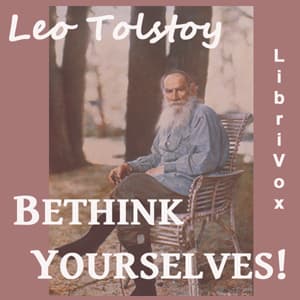
That line hit me somewhere around the forty-minute mark, sitting in my home office at 2300 hours, Ranger snoring at my feet, and I had to pause the audio. Because here's the thing - I've spent 25 years of my life as the instrument Tolstoy is arguing against. And the old Russian isn't pulling punches.
A Dead Count's Letter to Every Soldier Who Ever Followed Orders
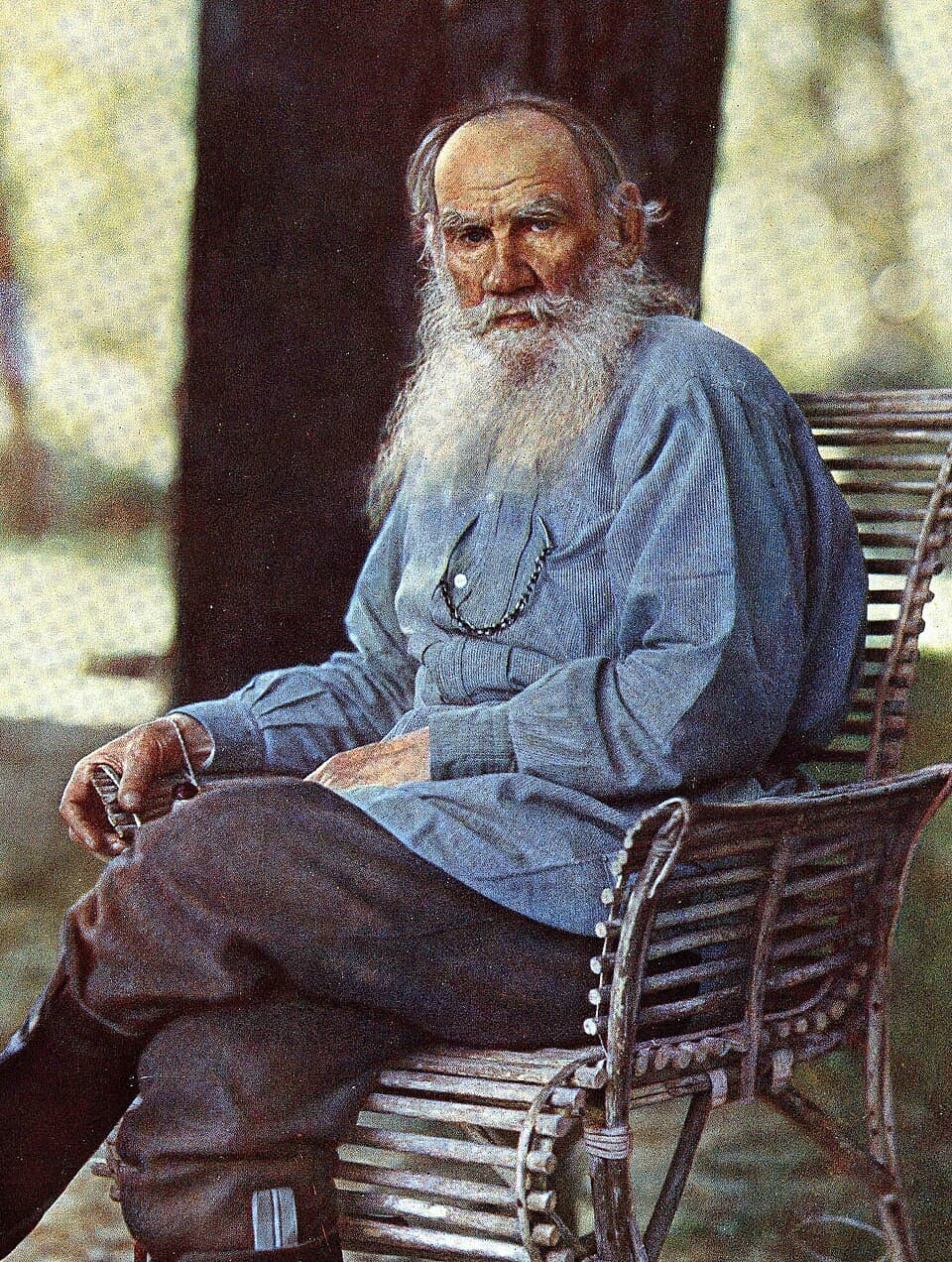
Let me cut to the chase. This is Tolstoy in 1904, writing what amounts to an open letter to the entire Russian nation as it marches into war with Japan. It's not fiction. It's not philosophy dressed up in story. It's a direct, unvarnished moral argument: war is incompatible with Christianity, and every person involved - from Tsar Nicholas II down to the conscript loading his rifle - bears individual moral responsibility.
At under two hours, this is less a book and more a sustained broadside. Tolstoy addresses the government officials, the clergy blessing the troops, the journalists whipping up patriotism, and the soldiers themselves. He's systematic about it. Each group gets its own indictment. The clergy section is particularly brutal - he essentially accuses the Orthodox Church of sanctioning murder while claiming to follow a man who said "love your enemies." No hedging, no diplomatic language. Pure Tolstoy.
Now, do I agree with his conclusions? Not entirely. I've been in rooms where the decision to use force prevented worse outcomes. The world Tolstoy imagines - where every individual simply refuses to participate in state violence - that's not a world I've ever seen operate. Theodore Roosevelt wrestled with that same gap between idealism and hard reality in River of Doubt - a man who believed deeply in action, consequence, and personal accountability, and paid for every one of those beliefs in the Amazon. But dismissing him because he's idealistic would be lazy. The man is asking a question that anyone who's carried a weapon for their country has to sit with eventually: at what point does obedience become complicity?
I've seen that question play out in real life. Not in some abstract philosophy seminar - in after-action reviews, in chaplain's tents, in the quiet conversations guys have at 0300 when they can't sleep. Tolstoy wrote this 120 years ago about a war most Americans couldn't name, and the core tension hasn't aged a day.
David Barnes and the Challenge of Reading a Sermon
Here's where I have to be honest about the production. David Barnes delivers a clean, sincere reading. His introduction frames the historical context of the Russo-Japanese War well enough that you're not lost if your knowledge of 1904 geopolitics is rusty. His tone is measured, almost reverent - which fits the material. You're not going to get dramatic vocal fireworks here, and you shouldn't expect them. This is a man reading a moral essay, and Barnes treats it with appropriate gravity.
But - and this is the limitation of the format, not Barnes himself - Tolstoy's repetitive rhetorical structure gets heavy in audio. On the page, you can skim when he circles back to the same argument for the third time. At 1.25x (my standard speed), there are stretches in the middle where the repetition starts to feel like being lectured by a very earnest uncle who won't let you leave the dinner table. Barnes doesn't do much to modulate the energy through these sections. It stays at one register. For a 1 hour 43 minute listen, that's manageable. For anything longer, it would be a problem.
No music, no sound effects, no production gimmicks. Just voice and text. Straightforward LibriVox-style production. It works for what it is.
Who This Is Actually For
This isn't for everyone, and I'm not going to pretend otherwise. If you want action, plot, or anything resembling entertainment - wrong door. But if you're someone who's served, or studied conflict, or just finds yourself unable to stop watching the news cycle of the latest war without feeling that knot in your stomach - Tolstoy is speaking directly to you. He's been dead for over a century and he's still asking the uncomfortable questions.
Worth your time? Here's the debrief: it's a short commitment, it's free on most platforms, and it will make you argue with a dead Russian novelist in your car. I disagreed with Tolstoy on probably half his points. But I respected every single one of them. And any book that makes a retired infantry colonel sit quietly in his office reconsidering things at midnight - that's doing something right.
Ranger slept through the whole thing. But I didn't.




![Steve Jobs [unabridged audiobook] audiobook cover](/_next/image?url=https%3A%2F%2Fcovers.audiobooks.com%2Fimages%2Fcovers%2Ffull%2F9788499923406.jpg&w=1920&q=75)