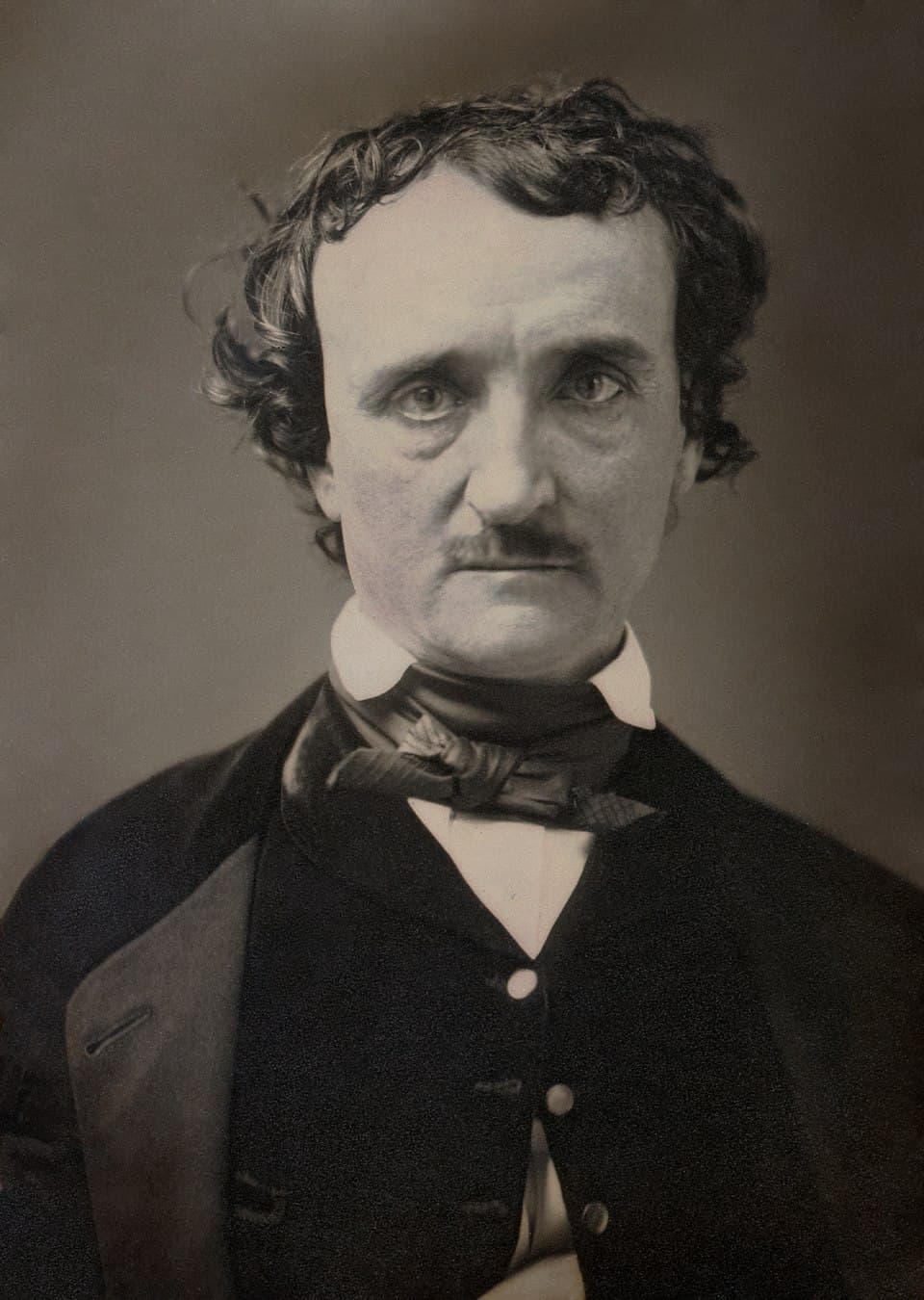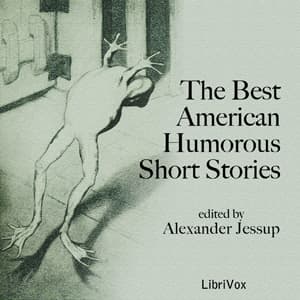

Look, I have a complaint. You can't slap Edgar Allan Poe's name on the cover of a humor anthology and not expect me to do a double-take in the middle of a faculty meeting. I literally paused mid-bite of a stale Danish, stared at my phone, and thought: Poe? The "buried alive" guy? The raven guy? Writing humor?
But here's the thing - and this is why we still read the classics - Poe was genuinely funny. His contribution here, scattered among seventeen other stories spanning 1839 to 1914, is a reminder that American humor didn't start with Mark Twain sitting on a porch being quotable. It started earlier, weirder, and often meaner than we remember.
Seventy-Five Years of Americans Trying to Be Funny
This collection is essentially a time capsule of what made Americans laugh across three-quarters of a century, and let me tell you, the results are uneven in the most fascinating way. Some of these stories land with the precision of a well-timed joke at a dinner party. Others feel like your uncle's anecdote that he swears is hilarious but requires seventeen minutes of setup. The anthology format means you're getting famous names alongside writers history mostly forgot, and that contrast is half the fun. You'll hit a story that sings - sharp, witty, still genuinely amusing a hundred-plus years later - and then the next one will feel like it's operating on comedic assumptions so antiquated you need footnotes.
And that's not a flaw. That's the point. This is why I teach literature. The stories that don't land anymore tell you just as much about American culture as the ones that do. I had a similar moment of cultural excavation reading Beauchamp Hall - a book that's ostensibly light entertainment but quietly says something about what we romanticize and why. What people laughed at in 1850 versus 1910 - the shift from frontier absurdism to social satire - it's a whole course in cultural history disguised as light reading.
My students would hate this. I love it.
David Wales and the Lonely Narrator Problem
Here's where I have to be honest: David Wales is doing this solo, all eleven hours and sixteen minutes of it, through a LibriVox recording. And that's a lot to ask of any single narrator working through eighteen different authors, eighteen different comedic registers, eighteen different Americas. The narrator understands that pause is punctuation - Wales generally has solid instincts for pacing and doesn't rush through the prose. But a LibriVox recording is a LibriVox recording. You're not getting studio-polished production. You're getting a volunteer who clearly cares about the material doing his best with what he has.
The challenge is that humor in particular lives and dies on delivery. A dry 1870s satirical voice needs different energy than an 1890s dialect piece, and one narrator covering that much range across that much time - some stories inevitably come across flatter than others. Wales keeps things readable and clear, which honestly might be the right call. He's not trying to do voices or go for laughs himself. He's presenting the text and trusting the words. I respect that approach even when I wished for a little more interpretive spark in certain stories.
(I should note the editor's introduction is completely omitted from this version, which is a genuine loss. Alexander Jessup's framing of what constitutes "American humor" as a tradition would've given the whole collection context. Without it, you're just jumping from story to story without the connective tissue.)
Who This Is Actually For
If you loved Twain's shorter work and want to understand the soil it grew from, this is its spiritual successor - or rather, its spiritual ancestor. It's for the person who wants to hear what American comedy sounded like before stand-up, before sitcoms, before Twitter. It's for anyone who's ever wondered whether our great-great-grandparents were actually funny or just thought they were.
It's NOT for someone who wants a tight, curated, laugh-out-loud experience. Eleven hours is a commitment, and the anthology format means you'll hit stretches that feel more academic than entertaining. I listened to chunks of this while grading sophomore essays on The Great Gatsby at 11 PM, and honestly? The pacing matched the mood perfectly - dip in, absorb one story, grade three papers, dip back in. But if you're looking for something to keep you riveted on a road trip, this will put your passenger to sleep faster than my Faulkner episodes put my mother to sleep.
The prose deserves to be savored - but selectively. This is a buffet, not a five-course meal.
Worth the Late Night, Not the Credit
It's free. It's LibriVox. And for free, it's a genuine gift - a window into seventy-five years of American wit that most people have never encountered. Wales does honorable work with difficult material. But if this were a paid audiobook, I'd tell you to wait. The missing introduction hurts, the production is utilitarian, and the anthology's quality is genuinely inconsistent. As a free listen for the curious reader? Worth pausing the faculty meeting for. As a purchase? Save your money for a proper Twain collection and come back to this when you're ready to go deeper.