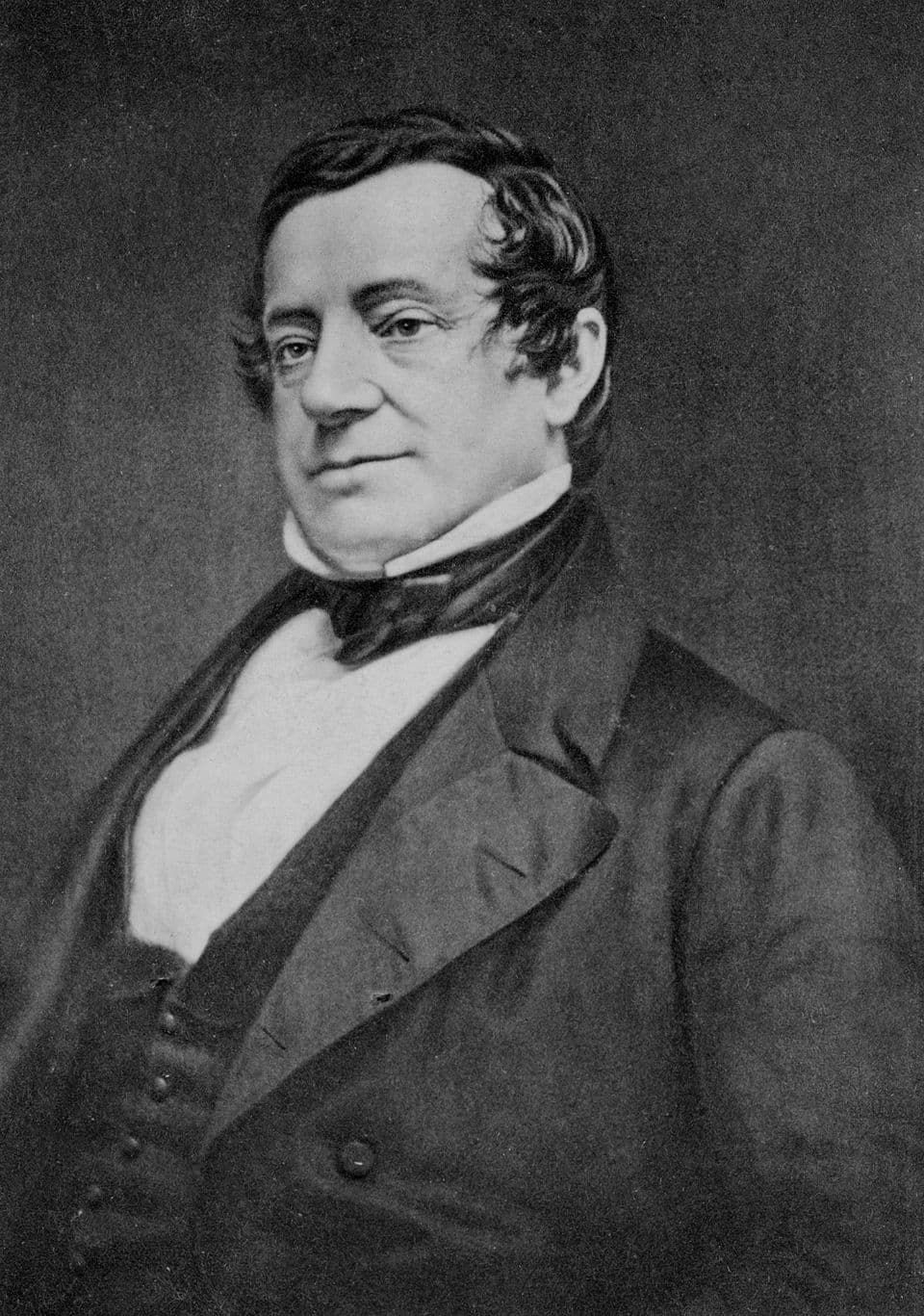

"How unworthy is my scribbling of the place."
Irving wrote that about the Alhambra. I thought about it for most of my Saturday morning walk along the lakefront, Denise a few steps ahead of me, and me completely useless as a walking companion because I was somewhere in 1829 Granada, watching a man fall embarrassingly in love with a palace.
That self-deprecating line is the key to this whole book, actually. Irving knew he couldn't capture the Alhambra. He tried anyway. Eleven hours of trying. And the result is one of the strangest, most charming literary artifacts I've encountered in twenty years of reading and teaching — part travel journal, part folklore collection, part love letter to a crumbling palace that the Western world had basically forgotten existed.
My students would hate this. I loved it.
When a Man Moves Into a Palace and Just... Starts Writing Things Down
Here's what makes the Alhambra genuinely weird as a book: Irving doesn't just visit. He gets permission — because he's Washington Irving, famous enough in 1829 that governors and archbishops say yes — and he moves in. Into the actual palace. With his notebooks. And his guide, a 35-year-old local named Mateo Ximenes, who becomes one of the more delightful recurring characters in the book.
Mateo is the secret weapon here. Irving uses him the way a good novelist uses a supporting character — as a lens, as comic relief, as a bridge between the romantic American writer and the actual living people of Granada. When Mateo tells Irving the local legends about Moorish kings and buried treasure and enchanted princesses, you feel the seam between history and folklore, and Irving is smart enough not to smooth it over. He lets it be both things at once.
The structure is loose — essays bleed into sketches, sketches become full tales, tales circle back to memoir. It shouldn't work. It does. This is why we still read the classics: Irving figured out something about the essay form that writers are still borrowing from.
What David Wales Does With All This Atmosphere
I'll be honest: I went into this one with limited expectations for the narration. It's a LibriVox recording, which means volunteer reader, which means the production values are exactly what you'd expect — clean but spare, no ambient sound design, no studio polish. Wales is working without a net.
What he does have is patience. And for Irving's prose — which is deliberately slow, observational, the kind of writing that asks you to sit in a courtyard and watch light move across tile — patience is exactly right. Wales understands that pause is punctuation. He doesn't rush the descriptive passages, and there are a lot of them. Irving will spend three paragraphs on moonlight hitting a fountain, and Wales treats each sentence like it earned its place.
Is it the most technically sophisticated narration I've ever heard? No. There's a certain evenness to the performance — the tales and the memoir sections don't sound dramatically different from each other, which is a missed opportunity. When Irving shifts from his own wry observations into a full-on Moorish legend about a princess locked in a tower, I wanted the register to shift a little more. It doesn't, quite. But Wales never gets in the way of the prose, and for a book this dependent on atmosphere, that's not nothing.
Who Sits With This for Eleven Hours
Let me be direct, because I think this book gets recommended to the wrong people sometimes.
If you want plot — skip it. If you need narrative momentum — skip it. If you're coming off something like Patrick O'Brian or even Irving's own Sleepy Hollow expecting that kind of propulsion — wrong book, wrong expectations.
But. If you've ever stood in front of something genuinely ancient and felt the inadequacy of your own response to it. If you loved Italo Calvino's invisible cities, or Borges' labyrinths, or even just a really good piece of travel writing that's also secretly about the impossibility of describing what you're seeing — this is its spiritual successor to all of that. Irving was doing something that wouldn't have a name for another hundred years.
I'd also say: if you teach literature and you've never assigned this, consider it. The way Irving handles the relationship between history and legend — never quite collapsing them into each other — is a masterclass in a kind of intellectual honesty that I spend half my career trying to teach teenagers. You can know something is myth and still take it seriously. Irving got that.
Worth pausing the faculty meeting for. Worth eleven lakefront hours. Worth the slightly flat narration to get to the prose underneath it. I'll admit the same genre — atmospheric, slow-burn travel writing — doesn't always land for me, and I said as much in my review of Beach House, which has that same quality of place-as-character but pulls it off with considerably more narrative momentum.