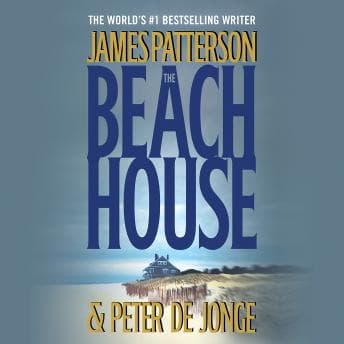

Patterson wrote a class war thriller set in the Hamptons, and honestly? The bones of this thing are solid even if the ending made me want to throw my phone out the car window.
I picked this one up on a night off - couldn't sleep, which is what happens when your circadian rhythm is permanently wrecked from fifteen years of nights. Carlos and the kids were dead asleep, I was on the couch with my earbuds in, and Jack Mullen's brother had just washed up dead in the ocean off East Hampton. Good times at 2 AM.
Rich People Don't Drown Accidentally (And Other Truths)
The setup here is pure frustration fuel - and I mean that as a compliment. Jack's brother Peter dies, and everyone from the cops to the coroner to every lawyer in a fifty-mile radius basically tells Jack to shut up and go away. If you've ever tried to advocate for a patient against a system that doesn't want to listen, you'll feel this in your chest. The power dynamics are the real villain. Some billionaire with enough money to make evidence disappear, a whole ecosystem of people paid to look the other way, and one guy from the wrong side of the tracks trying to get anyone to care that his brother is dead. That same suffocating sense of institutions closing ranks against someone without money or connections runs through Night She Disappeared too, and it hit me just as hard.
Patterson and de Jonge do a decent job laying out how wealth insulates people from consequences. Peter's involvement with the rich summer crowd - the parties, the relationships Jack never knew about - unravels in a way that feels grimy and real. The class divide between the locals who work service jobs and the people who own everything isn't subtle, but it doesn't need to be. Sometimes blunt works.
What doesn't work? The pacing in the first couple hours drags. I actually checked how much time was left at one point, which is never a great sign. And then the ending - look. I've read enough Patterson to know he sometimes wraps things up like he's got a flight to catch. This is one of those times. The ending felt rushed and sloppy, like someone wrote the last two chapters on a deadline. After all that buildup, all that righteous fury Jack channels into his crusade for justice, the resolution just... deflates. I didn't yell at my dashboard this time. I yelled at my ceiling fan.
Gil Bellows Carries More Than His Share
Gil Bellows narrates solo, and he's doing real work here. His voice has this rough edge - not overdone tough-guy, but enough grit that you buy Jack as a law student who grew up blue collar and isn't afraid to get in someone's face. He nails the twenty-something grief and anger. There's a rawness to how he handles Jack's pain that feels earned rather than performed.
My one complaint mirrors what other listeners have said - the emotional range early on is a little flat. Bellows reads the first hour or so with a steadiness that makes sense for the character's shock, but I wanted to hear more of the crack in his voice sooner. By the back half, he's fully locked in, delivering the kind of controlled fury that makes you lean forward. I just wish that intensity showed up earlier.
At under seven hours, this is a short commitment. Bellows keeps it moving even when the plot stalls, which says something about his skill as a narrator.
Who's Going to Love This (And Who Should Keep Scrolling)
If you like legal thrillers with a David-vs-Goliath setup, this scratches that itch. If you've ever been the person in the room with less power trying to get someone to listen - as someone who's actually worked a code and had to fight an attending on a call, yeah, I related to Jack's frustration on a cellular level.
But if you need a satisfying ending to feel like a book was worth your time, this might leave you cold. The journey is better than the destination here. And if you're expecting peak Patterson - the Alex Cross energy, the relentless chapter-ending hooks - this is a quieter, more personal story. Not bad, just different.
Perfect for that post-shift decompression if you want something that'll hold your attention without requiring you to track seventeen subplots when your brain is running on caffeine fumes and stubbornness.
The Chart Note
Solid setup, strong narrator performance, fumbled ending. Like a patient who's stable and trending well until someone writes the wrong discharge orders. I enjoyed most of the ride. I just wish Patterson had stuck the landing. Night shift approved - with reservations.