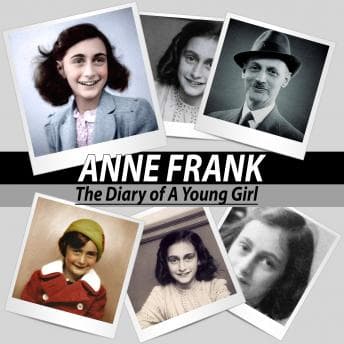

Look, I need to complain about something before we get into this. I'm a fantasy guy. I live for magic systems and world-building and 40-hour epic sagas. So when I tell you that a nine-hour diary from a thirteen-year-old girl hiding in an Amsterdam attic had me sitting in my car in the Georgia Tech parking lot, unable to move, staring at nothing while the credits rolled - that means something.
I picked this up because my advisor Dr. Patel keeps making pointed comments about "broadening my reading horizons" and "maybe finishing that thesis sometime this decade." (The thesis remains unfinished. The Stormlight Archive also remains unfinished, so I'm in good company.) But honestly? This hit different than I expected.
A Character Study Without the Fantasy Scaffolding
Here's the thing about Anne Frank that nobody prepared me for: she's funny. Like, genuinely witty in that way teenagers are when they're too smart for their own good. She's cataloging the absurdity of eight people sharing a bathroom, complaining about the adults treating her like a child, developing crushes, having petty fights with her mother - all while literal Nazis are hunting her family.
Susan Adams captures this perfectly. Her voice has this quality that starts young and bright in the early entries, then gradually - so gradually you almost don't notice - takes on weight. By the time Anne's writing about her relationship with Peter, about her fears, about her hopes for after the war... Adams sounds like she's aged alongside the text. It's not a performance trick. It's just good, honest reading.
The pacing is slow by my usual standards. (My usual standards involve Brandon Sanderson's 45-hour audiobooks where the last 10 hours are pure action avalanche.) But the slowness works here. You're living in that annex with them. You feel the walls closing in. The monotony becomes part of the experience.
The Dutch Name Thing (Yes, It's Annoying)
Okay, I have to address this because it genuinely bugged me. Adams mispronounces several Dutch names throughout - "Miep" comes out as "Mee-yep" instead of "Meep," and a few others get similar treatment. For a book so rooted in a specific place and time, these little stumbles pulled me out of the moment.
Is it a dealbreaker? No. But if you're someone who gets twitchy about pronunciation (and I know you're out there, because I've seen the one-star reviews), fair warning. It's noticeable. It's consistent. And it's the main flaw in an otherwise stellar narration.
When History Becomes Personal
I've read about the Holocaust. I've seen the movies. I've done the museum tours. But something about hearing Anne's voice - or Adams' interpretation of it - made it land differently. Maybe it's the intimacy of audiobook format. Maybe it's that you can't skim. You have to sit with every entry, every hope, every small joy.
The ending wrecked me. Not because of any dramatic reveal - we all know how this story ends. But because the diary just... stops. One day Anne is writing about her dreams for the future, about becoming a journalist, about the person she wants to be. And then silence. The afterword explaining what happened to everyone in the annex hit like a truck.
My D&D group would probably roast me for getting emotional over "required reading," but whatever. Some stories go beyond genre. This is one of them.
Sing, Unburied, Sing is another one that completely dismantled my "I only read fantasy" defense - different horror, different history, same gut-level reckoning with what humans do to each other.Who This Is For (And Who Should Maybe Skip)
If you need action, plot twists, or magic systems - this isn't it. If you want distinct character voices for every person in the annex - Adams keeps things pretty consistent, diary-style. If Dutch mispronunciations will drive you up a wall - you've been warned.
But if you want to understand why this particular voice, out of millions silenced, became the one we remember? If you want to feel history instead of just learning it? If you're okay with a slow, quiet listen that builds to an emotional gut-punch? Yeah. This one's worth your time.
Roll for Emotional Damage
I listened to this over three days - coding sessions, a long drive to visit my mom, and one very late night when I couldn't sleep. By the end, I understood why this book has endured for eighty years. It's not because Anne Frank was special (though she was). It's because she was ordinary. A teenager with dreams and frustrations and a sharp wit, caught in extraordinary horror.
Susan Adams gives her the voice she deserves. Imperfect in small ways, but honest and clear and human.
Now if you'll excuse me, I need to go hug my cat and maybe finally work on that thesis. (I won't work on that thesis.)