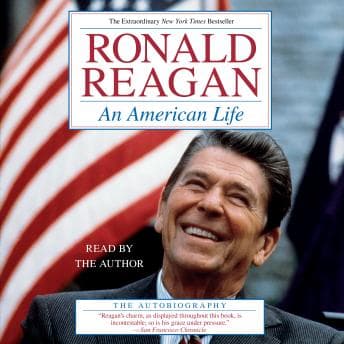

Everyone told me this would be hagiography. Pure self-congratulation from the Gipper himself, three hours of presidential back-patting. And look, I get the skepticism. When a president writes his own story and then reads it aloud, you expect polish. You expect spin.
But here's the thing—I was grading sophomore essays on The Great Gatsby at 11 PM, half-listening, when Reagan started talking about his father's alcoholism. Just... said it. Matter-of-fact, the way Midwesterners do when they're being honest about family shame. No dramatic pause, no violins. Just a man in his late seventies admitting his dad couldn't stay sober, and how that shaped everything after. I put down my red pen.
The Voice That Ended the Cold War, Telling You About Shoe Sales
There's a reason they called him the Great Communicator, and it wasn't speechwriters. Reagan's voice has this warmth that shouldn't work for serious topics but somehow does. When he describes selling shoes in his father's store during the Depression, you hear genuine nostalgia—not performed nostalgia. The Midwestern cadence, that slight pause before he lands on a word, it's all there. This is how the man actually talked.
That's both the strength and the limitation here. Reagan doesn't do character voices. He doesn't need to—this isn't fiction. But when he's quoting Gorbachev or Tip O'Neill or Nancy, it's all Reagan. You're essentially listening to one man remember conversations, not recreate them. For a memoir, that's fine. Expected, even. But if you're looking for dramatic recreation of the Geneva Summit, this isn't it.
What you get instead is stranger and more intimate. Reagan describing how he invited Gorbachev to step outside for a walk—just the two of them, no translators, no aides—and how that conversation changed the trajectory of nuclear arms. He tells it like it's a story about meeting a neighbor. "I thought we should just talk, man to man." The simplicity is either naive or brilliant. Probably both.
When the Diary Entries Take Over
I'll be honest—the last third drags. Reagan starts leaning heavily on diary entries and letters, reading them verbatim, and the momentum that carried the early chapters just... stalls. It's like watching a documentary that suddenly becomes a PowerPoint presentation. The man who charmed you with anecdotes about Hollywood and the Screen Actors Guild is now reading meeting notes. Gambler: Secrets from a Life at Risk has a similar structure issue—Billy Walters front-loads the compelling personal story, then shifts into technical betting strategy that loses some of that narrative momentum.
This is an abridged version—just under three hours—and I suspect the full autobiography is where this problem really compounds. But even trimmed down, you feel the shift. The storyteller becomes an archivist. Important for historians, maybe. Less compelling at 11:47 PM when you're trying to stay awake through another essay about the green light.
Still. When Reagan talks about the assassination attempt, his voice changes. Not dramatically—he's too composed for that—but there's a weight there. He describes waking up in the hospital, the jokes he made to the surgeons, and then quietly admits he didn't realize how close he came to dying until later. I found myself getting a little teary. (My wife Denise would say I cry at everything. She's not wrong.)
The Iceberg Beneath the Anecdotes
This reminds me of what Hemingway said about writing—that the dignity of movement of an iceberg is due to only one-eighth of it being above water. Reagan's prose operates the same way. He tells you about shoe stores and Hollywood contracts and diplomatic dinners, but underneath there's this whole architecture of belief about America that he mostly leaves implied. The Mysterious Case of Rudolf Diesel works with a similar subtext—the narrator presents facts about an inventor's disappearance, but there's this whole unstated commentary about capitalism and innovation lurking beneath the surface. You hear it in the pauses, in the words he chooses, in what he doesn't explain because he assumes you already agree.
My students would hate this. They'd call it propaganda, or at minimum, selective memory. And they wouldn't be entirely wrong. But there's something valuable in hearing a president tell his own story in his own voice, even if—especially if—you disagree with his politics.
Who This Is (and Isn't) For
If you want to hear history from the man who made it, flaws and spin included, this delivers. Skip it if you need rigorous analysis or can't stomach Reagan's politics long enough to hear him out—three hours of implied ideology will grate. But for anyone curious about how a president understood his own presidency? Worth the listen.
Class Dismissed
Three hours isn't a huge commitment. And hearing the actual voice of a man who shaped the late twentieth century, telling you why he made the choices he made? That's worth something. Not quite essential listening, but close. Worth pausing a faculty meeting for—though let's be honest, I'd pause a faculty meeting for almost anything.







![Steve Jobs [unabridged audiobook] audiobook cover](/_next/image?url=https%3A%2F%2Fcovers.audiobooks.com%2Fimages%2Fcovers%2Ffull%2F9788499923406.jpg&w=1920&q=75)