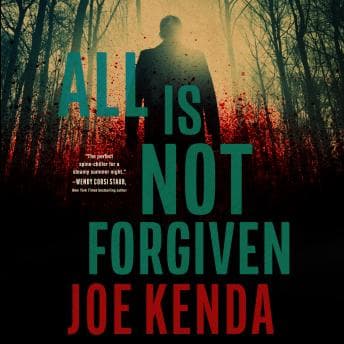

Let me cut to the chase: Joe Kenda knows how to work a case, and it shows in his fiction debut. I finished this one on a drive back from a client site in Houston - four hours of I-10 that usually feels like eight, but this time the miles actually moved.
Kenda's been a fixture on Investigation Discovery for years, and I've watched enough Homicide Hunter to know the man's got presence. So when he jumped into fiction, I was curious whether the storytelling would translate. Short answer: mostly yes, with some caveats.
The Procedural Gets It Right
What Kenda nails is the grind. The 1975 setting works because he's clearly drawing from his own early career, and you can feel the authenticity in how rookie Detective Kenda approaches the investigation. The partnership with veteran Det. Lee Wilson - a former Nashville singer, which is a detail I genuinely enjoyed - has that mentor-protégé dynamic that rings true. I've worked with enough young analysts in my consulting firm to recognize the patience required to bring someone along without doing their job for them.
The case itself is solid: wealthy philanthropist murdered, husband with an alibi that's almost too clean, and an unusual ammunition signature that brings in the alphabet agencies. Time for Mercy works similar territory with its layered legal complexities, though Grisham approaches it from the courtroom instead of the crime scene. FBI, CIA, Interpol - when you've got that kind of jurisdictional overlap, you know things are about to get complicated. And they do. The trail leads to Vegas and a mob pit boss who apparently runs a side business matching clients with contract killers. That's a premise with legs.
Where the Mission Slows Down
Here's where I have to be honest: this book has some pacing issues. There's background information that feels more like Kenda the TV personality explaining procedure to his audience than Kenda the novelist trusting his readers to keep up. Some of it adds texture. Some of it had me checking how much time was left on the chapter.
At 6 hours and change, it's not a massive commitment, but I'd recommend bumping the speed to 1.25x or even 1.5x. The narration can handle it, and it tightens up those slower stretches.
Three Narrators, One Clear Voice
Bradford Hastings and Tim Campbell handle the heavy lifting, with Kenda himself contributing. The multi-narrator approach works well here - you get distinct voices for the procedural elements versus the character moments. Hastings in particular delivers the investigative sequences with the kind of measured intensity that feels authentic. No one's chewing scenery, which I appreciate. When you've got a story about professionals doing professional work, you don't need theatrical performances.
The production is clean. No music or sound effects, which is fine by me. Let the story do the work.
Who Should Deploy This One (And Who Shouldn't)
If you're a Homicide Hunter fan, this is worth your time. Period. You'll hear Kenda's voice in the prose even when he's not narrating, and that's clearly the point. True crime enthusiasts who want fiction with procedural authenticity - you're the target audience. The investigative details feel earned, not researched from Wikipedia.
Skip it if you need constant action and can't tolerate exposition. This isn't a thriller trying to keep you on the edge of your seat. It's more like watching a case unfold, which is exactly what Kenda does best on TV.
Mission Debrief
Kenda's fiction debut is competent and authentic, if occasionally slow. It's not going to blow your mind, but it's a solid procedural from someone who actually lived this work. The multi-narrator setup serves the material well, and at just over six hours, it doesn't overstay its welcome.
I've read (and abandoned) plenty of detective novels written by people who clearly got their law enforcement knowledge from other detective novels. Every Dead Thing has that same authenticity - Charlie Parker's investigative work feels lived-in, not manufactured. This isn't that. Kenda knows what he's talking about, and when he describes the frustration of a lead going cold or the satisfaction of pieces finally clicking together, you believe him.
Ranger slept through most of this one, but he's heard worse. Mission accomplished - with room for improvement in the sequel.