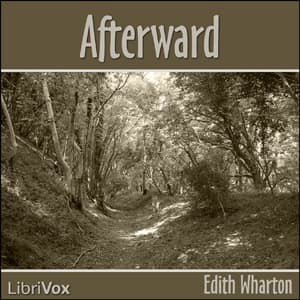

I was sitting in the break room at 2 AM, waiting for labs to come back on a patient who was either having the worst anxiety attack of his life or something cardiac we hadn't caught yet. The unit was that specific kind of quiet where you don't dare say the Q-word. I had an hour-seventeen to kill and Edith Wharton's Afterward queued up on my phone. A ghost story seemed appropriate given the fluorescent lighting and the way the IV pump down the hall kept alarming like it had opinions.
And look - an hour and seventeen minutes. That's barely a story. That's one blood draw, one set of vitals, one argument with pharmacy about why I need that med NOW. But Wharton packed something genuinely unsettling into that tiny window.
The Ghost You Don't Recognize Until It's Too Late
The premise hooked me immediately: Mary and Ned Boyne leave Wisconsin for this old English country house in Dorsetshire, and they're told the place has a ghost. But here's the thing Wharton does that I haven't seen in most ghost stories - the ghost isn't the scare. The scare is that you won't know you've seen it until afterward. That concept burrowed under my skin. Because Mary spends the whole story trying to figure out if something supernatural has happened, and by the time she understands, it's already done its damage.
Wharton writes domestic unease the way I've seen families process bad diagnoses - there's this long, slow denial, and then a moment where everything clicks and you realize the worst thing already happened while you were busy being comfortable. Ned's disappearance isn't sudden horror. It's a slow drain. Mary keeps expecting him to come back, keeps rationalizing, keeps finding explanations. As someone who's watched families sit at bedsides doing the exact same thing - bargaining with reality - this hit different than your standard jump-scare ghost fiction.
Charlie Blakemore's Voice at 2 AM
Blakemore does solid work differentiating characters, and his voice genuinely adds to the eerie atmosphere. Mary sounds appropriately bewildered, then increasingly desperate. He captures the English countryside setting well enough that I could feel the damp even under hospital fluorescents.
But - and this is where I have to be honest - you can hear him running out of gas. At seventy-seven minutes, this isn't a marathon, but he sounds like he recorded it in one sitting without breaks. The voice gets pressed toward the end, a little strained, like he's pushing through the final stretch. It's not terrible. It doesn't ruin anything. But in a story that depends on atmosphere and careful dread, you notice when the instrument carrying that dread starts to tire. I wanted him to slow down in the final passages where Mary's realization hits. Instead it felt slightly rushed, like he was sprinting to the finish line when the story needed him to crawl.
For a LibriVox recording, though? This is above average. No weird room noise, no stumbling over Wharton's sometimes elaborate sentence structures. The man can handle nineteenth-century prose, which is more than I can say for some narrators I've suffered through.
Wharton Gets the Human Stuff Right
Here's what I kept coming back to on my drive home: Wharton understood that the scariest thing isn't the ghost. It's the secrets between spouses. Ned has done something - something in his business past - that he's hidden from Mary. And the ghost, whatever it is, comes as a consequence of that secret. Mary doesn't even know what her husband did. She's the last to know, the way spouses always are in my trauma bay when someone comes in and there's a story that doesn't add up.
The medical details aren't relevant here (no defibrillators to yell about, thank God), but the human psychology? Wharton nailed it over a hundred years ago and it still works. The way Mary reconstructs events after the fact, the way she pieces together conversations she didn't understand at the time - that's exactly how people process shock. I've watched it happen in real time. Wharton wrote it like she'd watched it too.
Who Needs This in Their Ears
If you want gore, possession, or anything loud - skip this. This is a slow, quiet ghost story for people who like their horror psychological and their dread earned. Perfect for a short commute, a lunch break, an overnight shift when the unit is (whispers) calm. It's free on LibriVox, so there's zero risk.
If you love Shirley Jackson or the kind of horror where nothing technically happens but everything is wrong? You'll eat this up. If you need constant action, you'll be checking the time stamp by minute twenty. On the other hand, if you want something that grabs you by the throat and doesn't let go, Fury delivers that relentless pace I sometimes need after a shift that's already been too quiet.
Night Shift Prescription
Carlos didn't ask why I was quiet when I got home this morning. He knows the look. Sometimes it's work. Sometimes it's a story that crawled inside my head and made a nest. This one was small enough to fit in one shift break and sharp enough that I was still thinking about it while I made breakfast. Wharton wrote this in 1910, and the dread hasn't expired. Some things don't have an expiration date - not guilt, not ghosts, and apparently not Edith Wharton.