
I was driving back from a client site in Houston - three hours of Texas highway with nothing but oil derricks and my own thoughts - when I started this one. By the time I hit the Austin city limits, I was sitting in my driveway for another twenty minutes because I couldn't turn it off. Ranger gave me a look through the window like I'd lost my mind.
Let me cut to the chase: this is required listening. Period. Full stop. I don't say that often.
A Free Man's War Against an Unjust System
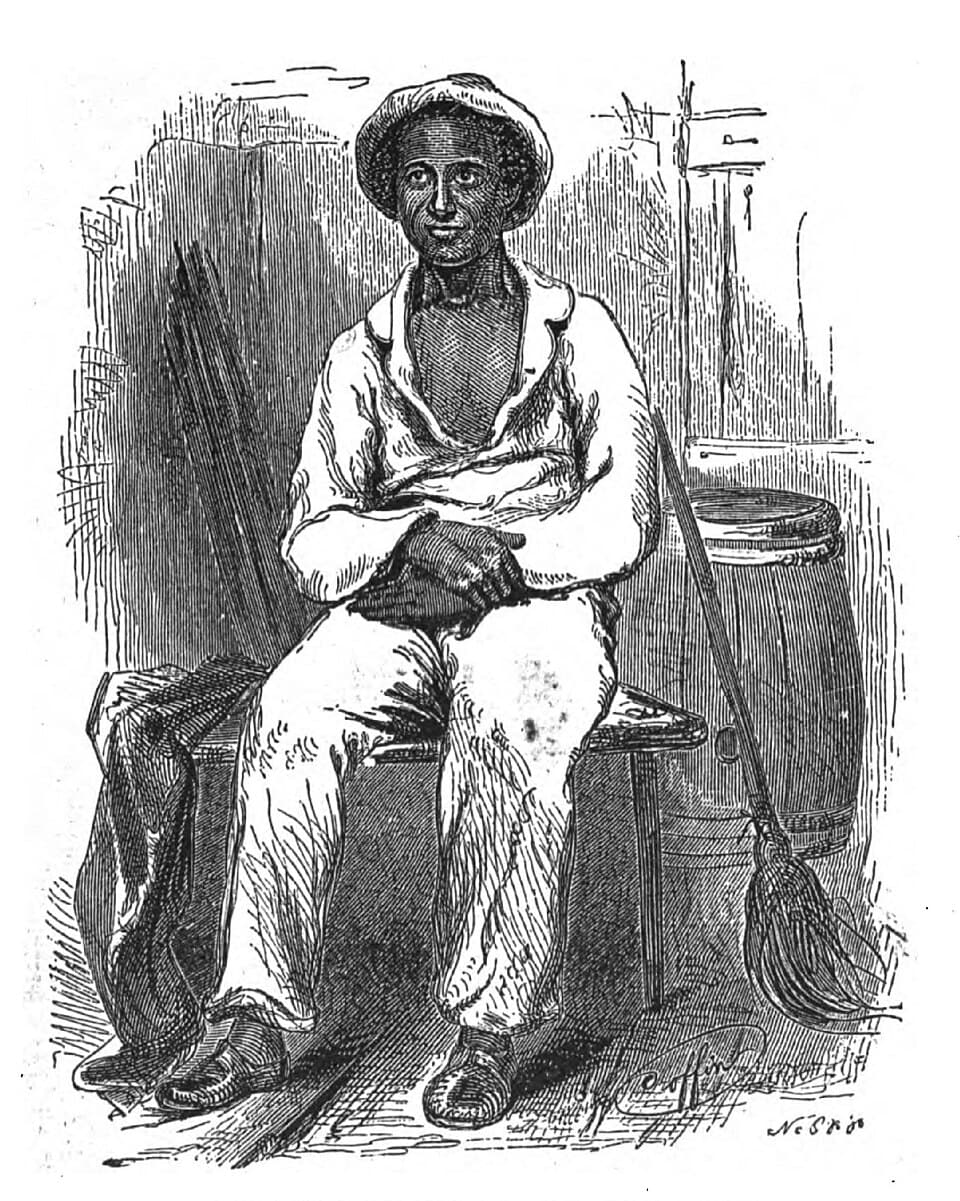
Solomon Northup was a professional musician, a family man, a free citizen of New York State. In 1841, he was drugged, kidnapped, and sold into slavery in Louisiana. Twelve years. Think about that for a second. Twelve years of brutal labor, of watching his humanity denied, of calculating every single day whether telling the truth would get him killed.
What struck me - and this is where my background kicks in - is Northup's tactical patience. The man conducted a twelve-year survival operation behind enemy lines. He gathered intelligence, assessed threats, identified potential allies, and waited for the right moment to execute his escape plan. That's not just endurance. That's operational discipline under conditions most of us can't imagine.
Northup's writing style is remarkably measured. Some listeners apparently wanted more emotional outpouring, more insight into his psychological state. I get that impulse, but I think they're missing the point. The restraint IS the story. This is a man who survived by controlling what he revealed. The straightforward recitation of horrors - beatings, near-starvation, watching others die - hits harder precisely because he doesn't sensationalize it. I've seen that same disciplined restraint in Kybalion, where the power comes from what's deliberately left unsaid. He doesn't have to.
Richard Allen Nails the Mission
Richard Allen - five-time Audie nominee, multiple AudioFile Earphones Awards - brings exactly the right approach here. His delivery is clear, measured, and emotionally intelligent without tipping into melodrama. When Northup describes moments of unexpected kindness or dark humor (and yes, there's humor in here, because humans find ways to survive), Allen shifts gears smoothly.
I've listened to enough narrators butcher historical material by either going full theatrical or reading it like a DMV manual. Allen threads that needle. He respects the source material. He trusts Northup's words to do the heavy lifting, and they absolutely do.
One listener complained the narration was "dispassionate." Respectfully, I disagree. There's a difference between dispassionate and disciplined. Allen's restraint mirrors Northup's own voice - and that's a choice, not a flaw.
The Agricultural Details (Yes, Really)
Here's something nobody warns you about: there's a lot of cotton farming in this book. Sugar cane production. The mechanics of plantation labor. Some folks apparently struggled with these sections.
Not me. Those details are the evidence. Northup isn't just telling you slavery was evil - he's documenting exactly how the system worked, hour by hour, task by task. It's the difference between saying "war is hell" and explaining what a 16-hour patrol in 120-degree heat actually does to your body and mind. The specificity is the testimony.
Plus, at 1.25x speed, the pacing moves just fine. Eight hours fifty minutes becomes something more manageable, and Allen's clarity holds up perfectly at that rate.
What This Book Actually Is
This isn't entertainment. I want to be clear about that. There's violence here. Abuse. Sexual exploitation. The content warnings exist for good reason. If you're looking for something light for your morning jog, keep scrolling.
But if you want to understand American history - really understand it, not the sanitized version - this is primary source material. This is a man who lived it, who wrote it down with his own hand, whose account has been historically authenticated. You're not getting a novelist's interpretation. You're getting the debrief from someone who survived the mission.
I've seen some things in my career. Three deployments taught me something about human cruelty and human resilience. Northup's account reminded me that the capacity for both has always existed, right here on American soil. That's not comfortable knowledge. It's necessary knowledge.
Mission Debrief
Listen if: You're a history person, a memoir person, or someone who believes in confronting hard truths. Best for long drives, focused listening sessions, or any time you can give it your full attention. This isn't background noise material.
Skip if: You need something light, can't handle graphic depictions of violence and abuse, or want an emotionally expressive narrator. No shame in that - know your limits.
Richard Allen delivers a clean, professional performance that honors the material. Production quality is solid, no technical issues to report.
Ranger approved this one. So do I.