
I was sitting in the school pickup line—position 4, prime real estate—when this book absolutely wrecked me. There I was, watching the crossing guard wave traffic through, tears streaming down my face because Opal Sharp just lost everything. The mom in the SUV next to me definitely thought I was having a breakdown. Which, honestly? I kind of was.
The "Mom Guilt" Factor
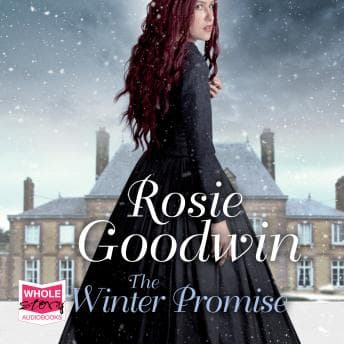
Let's be real for a second. Being a mom means your heart is walking around outside your body, right? So when Rosie Goodwin sets up this premise—1850s, parents die, and the siblings are left destitute—I was already stressed. But then. Then.
Her brother Charlie takes the little ones to the workhouse. (I may have yelled "NO CHARLIE" out loud while unloading the dishwasher.)
It hit me right in the gut. The desperation of trying to keep a family together when the world is literally falling apart... it's heavy. Is it predictable? Yeah, probably. It's a Victorian saga, so you know there's going to be tragedy, illness, and a convict ship. But sometimes predictability is comforting. When my own house is chaos, I weirdly enjoy listening to someone else's life falling apart, mostly because I know there's usually a light at the end of the tunnel. It's the same vibe as watching a heavy PBS drama on a Sunday night—you know you're going to cry, but it hurts so good.
Charlie Sanderson's Got That Tea-and-Tissues Energy
Charlie Sanderson narrates this one. And yes, she is a woman (don't let the name throw you off). Look, I'm picky. If a voice annoys me, I can't do 12 hours of it—I have enough annoying noises in my life (see: toddler screaming for the wrong-colored cup).
Sanderson has this soothing quality that actually helped lower my blood pressure. She handles the emotional beats really well without being melodramatic. I saw some people online complaining about the accents being a bit grating, but honestly? I didn't hear it. Maybe I was too distracted by the mounds of laundry I was folding, but I thought she nailed the atmosphere. She made the sad parts feel heavy and the hopeful parts feel earned. Like having a friend tell you a really sad story over tea.
The "Laundry Folding" Verdict
Here's the truth: It drags a little in the middle. Kind of like the hours between 2 PM and 5 PM. It's over 12 hours long, and there were moments I zoned out thinking about what to make for dinner (tacos again, sorry kids) and didn't really miss a major plot point.
But for my life? That's actually a plus. It's a comfort listen. You don't need a wiki to keep track of the characters. You just need to care about Opal keeping her promise. And I did. I really did.
Who's This For (And Who Should Run)
If you love historical sagas, need a good emotional cleanse, and want something you can follow while wrangling kids or folding endless laundry—this is your jam. Skip it if you need fast pacing or can't handle Victorian-era child suffering (totally valid).
It's not groundbreaking literature that will change the world, but it made me hug my kids a little tighter when they got home from school. After Ever Happy gave me that same gut-punch feeling—different setting, same emotional devastation. Even the 7-year-old who rolled her eyes at me got a squeeze. Just maybe check your mascara before you go out in public.