
A Morning Jog Through 1910s Political Corruption
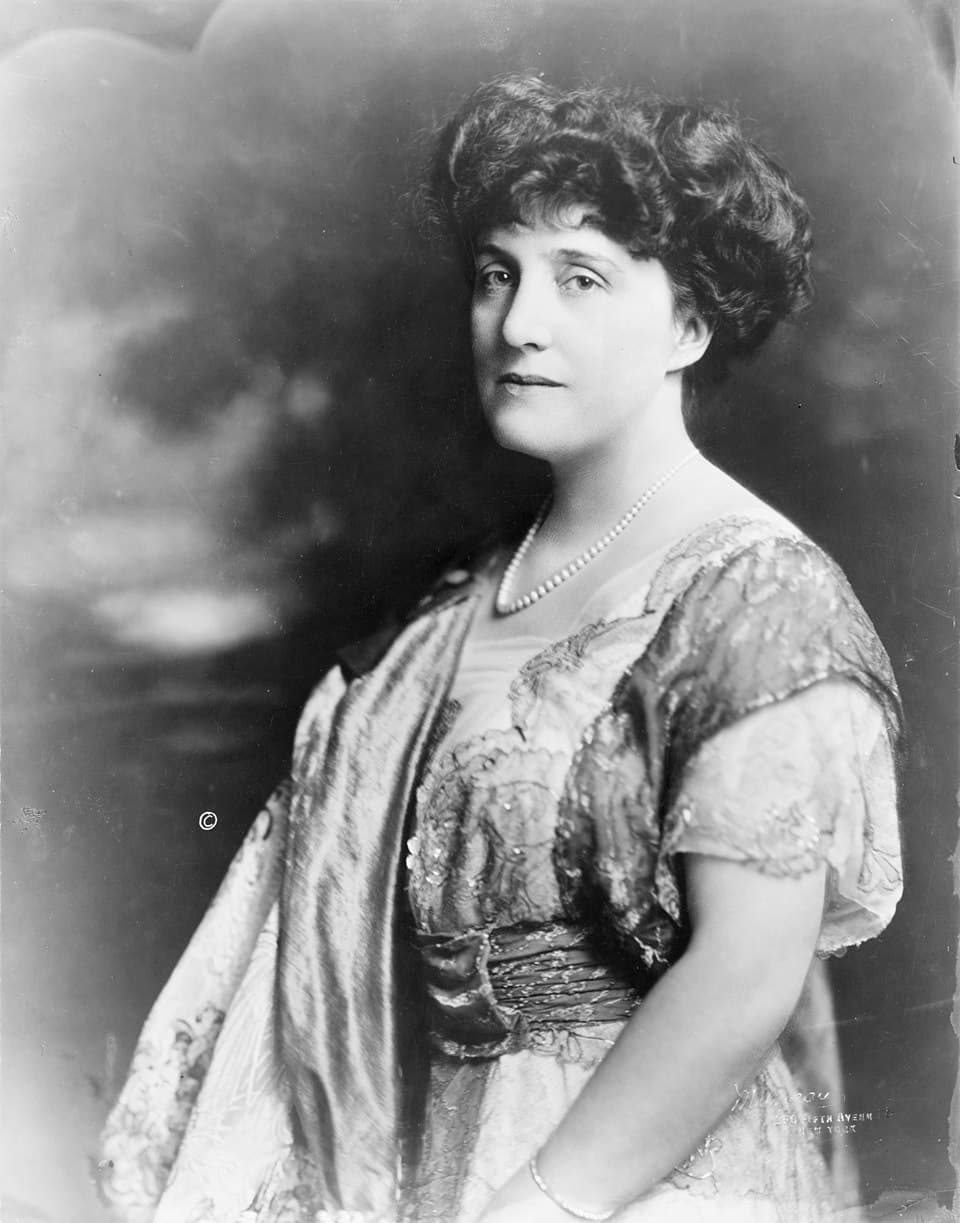
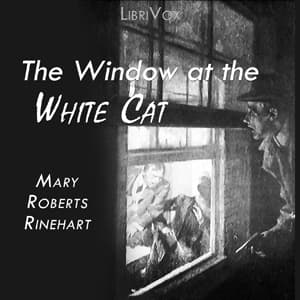
I started this one on a Tuesday morning run through Cambridge, and honestly? The opening hooked me harder than I expected. A lawyer stumbling into political intrigue, a mysterious club called the White Cat, and a beautiful woman in distress. Classic setup. But here's the thing about Mary Roberts Rinehart - she was doing this before Agatha Christie made it fashionable, and you can feel her figuring out the genre in real time. She does something similar in Circular Staircase, though that one feels even more experimental with its structure. It's messy in ways that modern thrillers aren't allowed to be anymore.
The protagonist exhibits classic early 20th century amateur detective syndrome - he's bumbling, earnest, and absolutely convinced he's the smartest person in every room. (My therapist would have thoughts about this character's need to rescue everyone.) Jack Knox is a lawyer who gets pulled into investigating a disappearance connected to that back-street political club, and what follows is this sprawling web of favors, murders, and romantic entanglements that somehow holds together despite itself.
Robert Keiper Gets It
Look, I couldn't find much about Robert Keiper's broader narration work, but based on this performance? The man understands the assignment. His voice has this slightly old-fashioned quality that just fits. He doesn't try to modernize Knox or make him more palatable to contemporary ears - he leans into the period authenticity, and it works. The delivery feels natural rather than theatrical, which is exactly what you need for a first-person narrative like this.
What makes this narrator compelling is his restraint. He's not doing vocal gymnastics to distinguish every character - instead, he trusts the text and adjusts his tone subtly. The "delightful old maids" (Rinehart's words, not mine) come through as distinct personalities without Keiper resorting to caricature. And when Knox gets self-righteous about his detective work - which happens a lot - there's just the faintest hint of irony in the delivery. Like Keiper knows this guy is a bit much.
The pacing matched my running pace pretty perfectly, actually. I had the opposite experience with Case of Jennie Brice - that one's so short and tightly wound I finished it in a single session. This one has steady, forward momentum, with enough twists to keep me from checking my watch.
The Psychology of an Era (And Its Problems)
This is a fascinating case study in how mystery fiction reflected early 20th century anxieties about political machines and urban corruption. The White Cat isn't just a setting - it's a symbol of everything respectable society feared about backroom deals and immigrant-run political operations. Rinehart was tapping into real cultural tensions here.
But - and this is important - the book carries all the baggage you'd expect from 1910. There's casual sexism woven throughout (women are either angels to be protected or suspicious creatures to be managed), and some attitudes toward class and ethnicity that made me wince during my cool-down stretches. Pretty standard for the era, but knowing that doesn't make it less jarring to modern ears.
Psychologically, though? The character motivations mostly track. Knox's obsessive need to solve the mystery stems from his attraction to the woman involved - he admits this, sort of, in that roundabout way men of that era admitted anything emotional. The villains have comprehensible goals rooted in greed and self-preservation. Nobody does anything that made me stop and think "no actual human would do that," which is more than I can say for plenty of contemporary thrillers.
Fair Warning: It Wanders
The plot gets scattered. I found myself asking: why does Knox keep involving his newspaper friend and detective buddy if he wants credit for solving everything himself? The answer is that Rinehart needed multiple information sources, but the execution feels a bit like she's making it up as she goes. (Which, given how serialized fiction worked back then, she probably was.)
Some chapters dragged during my kitchen sessions - I was making dal makhani one evening and completely lost the thread of who was blackmailing whom. Had to rewind. The mystery itself is clever, and I genuinely didn't guess the resolution, but getting there requires patience with the meandering Victorian-adjacent prose style.
Who Should Listen (And Who Should Skip)
If you're a fan of classic detective fiction and you've already burned through Christie and Sayers, this is a solid addition to your rotation. It's comfort food mystery - not groundbreaking, but satisfying in that old-fashioned way. The romance subplot is sweet without being saccharine, and Knox's gradual realization that he's in over his head is genuinely entertaining.
Skip it if you need tight plotting or if dated attitudes are going to pull you out of the story entirely. I can compartmentalize (occupational hazard of studying how narratives reflect their cultural moment), but not everyone wants to do that work during their commute.
At just under seven hours, it's the right length for a week of morning runs or a couple of long cooking sessions. Robert Keiper's narration elevates material that could have felt dusty, and the clean audio production means you won't miss crucial plot points to background noise.
The verdict? It's not going to change your life, but it's a genuinely entertaining look into how mystery fiction evolved. And sometimes that's exactly what you need.