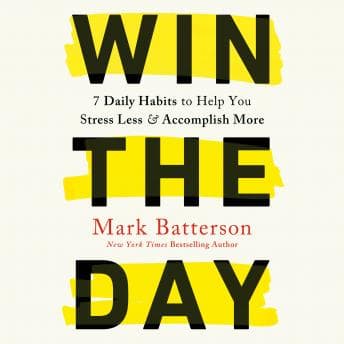

How many self-help books does it take before you realize the advice is always the same, just repackaged with different metaphors?
I ask because I've listened to probably 30+ books in this genre over the past two years, and Win the Day sits squarely in the category of books that bundle genuinely decent principles into a format that could've been — you guessed it — a blog post. Maybe a medium-length LinkedIn thread. Seven habits, seven chapters, done. But no, we've got nearly 8 hours here.
The Blog Post Stretched Into a Book
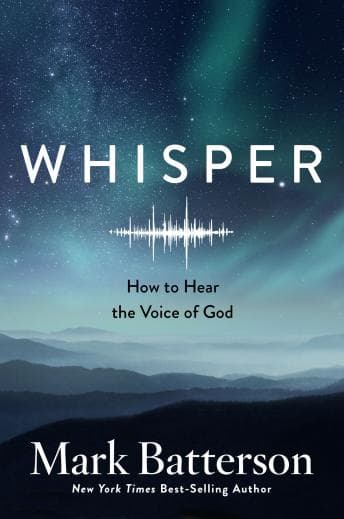
TL;DR: The content is a mashup of Brian Tracy's "Eat That Frog" (Batterson literally borrows the phrase), Stoic philosophy rebranded through a Christian lens, and motivational anecdotes you've probably heard on three different podcasts. "Flip the Script" is basically cognitive reframing. "Kiss the Wave" is amor fati with a Bible verse. "Cut the Rope" is the same "get out of your comfort zone" talk that's been in every business book since 2010.
None of this is bad. Some of it's even useful if you haven't been marinating in the productivity/self-improvement space for years. The "Wind the Clock" chapter about measuring life in moments rather than minutes — okay, that actually hit me during a particularly dead stretch of my Wednesday commute. And Batterson peppers in some interesting historical anecdotes: the bit about Benjamin Franklin's daily schedule and the story about a kite experiment gone sideways were solid enough to keep me from zoning out completely.
But the ROI on this audiobook is low if you've already read Atomic Habits, Eat That Frog, or basically any Ryan Holiday book. It's a Venn diagram where all the circles overlap and Batterson's contribution is the faith-based wrapper.
The Narration Problem (It's a Big One)
Here's where things really fall apart. Batterson narrates his own book, and — look, I respect authors who want to read their own work. Sometimes it's great (I'm thinking of Trevor Noah's Born a Crime). But Batterson reads every single sentence like he's delivering the climax of a sermon. Every. Single. One.
Imagine someone presenting a title slide with maximum energy. Now imagine that energy... for 7 hours and 47 minutes. That's what this is. There's no dynamic range. The anecdote about eating a frog gets the same vocal intensity as the call to radically restructure your life purpose. By hour 2, I was genuinely fatigued. Not sleepy-fatigued — I can handle that on the 6:14 AM Caltrain — but mentally drained in a way that made me want to switch to literally anything else.
I bumped it to 1.75x (my standard speed for business books that overstay their welcome) and that actually helped a little. The relentless enthusiasm becomes slightly more tolerable when it's compressed. But it also turns the narration into this breathless, almost manic cadence that made the guy next to me glance over at my headphones like he could sense the chaos.
No accent work to speak of, no tonal shifts between stories and instruction, no moments where Batterson just... talks to you like a person. It's motivational speaker mode from minute one to the finish. Ray Porter would've made this a completely different experience. (I say this about every book. Kevin says I have a problem. He's not wrong.)
Who Should Bother
Perfect for: You're new to self-help, you appreciate a Christian framework for productivity advice, or you need a pep talk and don't mind the preacher delivery.
Skip for: Anyone who's already read 5+ books in this space. Anyone who finds unrelenting enthusiasm draining rather than motivating. Anyone who listens during early morning commutes when your brain needs gentle ramp-up, not a motivational fire hose.
The faith component is worth flagging — it's not subtle. This isn't "vaguely spiritual." Batterson is a pastor and the book reads like a sermon series, complete with Biblical references in every chapter. The institutional belief system embedded in every chapter actually reminded me of Billion Years: My Escape From a Life in the Highest Ranks of Scientology, which — very different context, obviously — does a fascinating job of showing how tightly productivity and purpose can get wrapped up in religious structure. If that's your thing, great. If you're looking for secular productivity advice, this isn't it.
Commute-Worthiness: Burned a Credit So You Don't Have To
I finished this in about 4 commutes at 1.75x, which means my actual time investment was maybe 4.5 hours. And honestly? I could've gotten the same value from reading the chapter summaries. The seven habits are solid principles — they're just not original, and the delivery actively works against the content. It's like a well-architected system with a terrible UI. The backend logic is fine but the frontend makes you want to close the tab.
Save your credit.