
I was skeptical going in. Really skeptical.
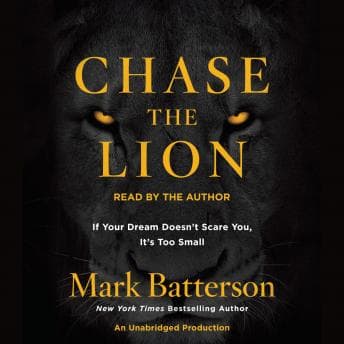
Look, I've sat through enough motivational business content to last three lifetimes. The "dream big" genre is basically its own industry at this point, and most of it could be condensed into a sticky note. So when I saw Chase the Lion pop up—with its "If Your Dream Doesn't Scare You, It's Too Small" subtitle—I'll admit I rolled my eyes. Hard.
But here's the thing. My parents chased a lion. They came to LA with nothing, opened a dry cleaning business in Koreatown, and worked 14-hour days for decades. They didn't call it "chasing a lion." They called it Tuesday. So I'm always curious when someone tries to package that kind of grit into a framework.
The Batterson Formula (For Better or Worse)
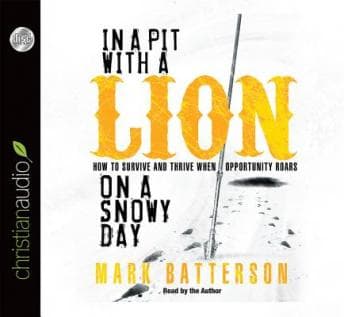
Mark Batterson writes like a pastor who's also studied copywriting. Short punchy sentences. Lots of repetition. Biblical stories reframed as entrepreneurial case studies. It's effective, I'll give him that. The core premise—based on the story of Benaiah from 2 Samuel 23, who literally chased a lion into a pit and killed it—is genuinely compelling. That's the kind of crazy my parents would understand.
The audiobook runs about 7 hours, and Batterson narrates it himself. This is usually where I get nervous. Authors reading their own work can go sideways fast. But Batterson actually pulls it off. He's got this warm, passionate delivery that feels like a really good Sunday sermon. Not the boring kind. The kind where you actually look up from your phone.
His pacing is solid—enthusiastic without being manic. You can tell he believes every word he's saying. That authenticity comes through, even at 1.75x speed (yes, I slowed down from my usual 2.0x—that should tell you something).
Where the Rubber Meets the Road
Here's my honest assessment: the framework is solid but not revolutionary. Batterson essentially argues that we should pursue dreams so big they require divine intervention. Stop playing it safe. Run toward the roar instead of away from it. It's the kind of message that lands differently depending on where you are in life.
For someone in a corporate job who's been thinking about starting something—yeah, this might be the push they need. The stories are inspiring. Batterson weaves in modern examples alongside the biblical ones, and he does it pretty well. He's got a gift for making ancient texts feel relevant without being preachy.
But—and this is a real but—some of it felt like passive bragging. Batterson references his own successes a bit too often. His church growth. His other bestsellers. His speaking engagements. I get it, you're establishing credibility. But after the fifth or sixth mention, I found myself thinking "okay, we get it, you're successful."
My parents never talked about their wins. They just kept working. There's a humility in that approach that I missed here.
Listen or Read?
Some listeners have suggested reading this instead of listening because there's "so much to take in." I actually disagree. Batterson's delivery adds something. The passion in his voice carries the message in a way that flat text wouldn't. When he talks about facing your fears and chasing impossible dreams, you can hear that he means it.
The production is clean—no weird audio issues, no distracting background noise. Just Batterson's voice, steady and encouraging for seven hours.
Is it repetitive? A little. The "chase the lion" metaphor gets hammered pretty hard. But that's kind of the point with this genre. Repetition is how these ideas stick.
Who This Is (and Isn't) For
If you're a person of faith who needs permission to dream bigger, this delivers. If you're already a go-getter who's been taking risks, you might not find much new here. And if you're allergic to Christian messaging, obviously skip it. Redeeming Love works with similar faith-forward themes, though it takes a completely different narrative approach.
The Bottom Line on Your Investment
For me? I appreciated the reminder that playing it safe isn't actually safe—it's just slow death. My parents knew that instinctively. Batterson just gave it a TED talk.
Would I listen again? Probably not. But I'm glad I listened once. Sometimes that's enough.