
What's the ROI on spirituality?
I know, I know. That's not the kind of question you're supposed to ask about a book on Wicca. But hear me out - I spent eight years at McKinsey measuring everything, and now I help startups not implode. My brain is wired for frameworks. So when a client mentioned she'd been using Cunningham's book for her morning ritual practice and it had "changed her relationship with decision-making," I figured I'd give it a listen. Call it professional curiosity. Call it desperation for something that wasn't another productivity hack.
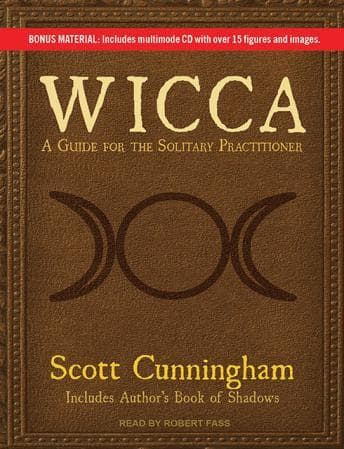
Bottom line: This is actually a well-structured operating manual for a spiritual practice. Cunningham treats Wicca like a system - here are the inputs, here are the processes, here's how to customize for your situation. My parents ran their dry cleaning business the same way. No mystical hand-waving about "the universe will provide." Just practical steps.
The Framework Behind the Magic
Look, I'm not converting to Wicca. Let's get that out of the way. But what struck me about this book is how much it reads like a business operations guide disguised as spiritual instruction. Cunningham breaks down rituals into components - the why, the what, the how. There's a logic to it. The Book of Shadows section at the end? That's basically a template library. He's giving you SOPs for spiritual practice.
What I appreciated - and this is where it differs from most self-help garbage I wade through - is that Cunningham doesn't promise transformation in 30 days. He's honest that this is a practice. A discipline. The kind of thing that compounds over time. My parents understood this instinctively about their business. Most business books pretend you can hack your way to success. David and Goliath gets at this same truth - real advantage comes from sustained effort, not shortcuts. Cunningham's approach is simpler: show up every day and do the work.
The earth-oriented philosophy stuff is interesting from a sustainability angle too. I've sat in enough boardrooms watching companies scramble to figure out their "environmental story" that hearing someone articulate a genuine relationship with nature - written decades ago, before ESG was a buzzword - felt refreshingly honest.
Robert Fass Does the Heavy Lifting
Here's where the audiobook format matters. Fass has this clear, grounded delivery that matches Cunningham's no-nonsense approach. He's not doing the breathy mystical voice you'd expect from this genre. Some reviewers apparently find his New York accent distracting - I didn't notice, maybe because I'm used to people who sound like they have somewhere to be. His pacing is steady. Not rushed, not dragging. At 6.5 hours, it's actually respectful of your time. (Finally, a book in this category that doesn't pad itself to 12 hours.)
I listened during a week of early morning runs - 5 AM, before the client calls start. That quiet headspace is where Anxious for Nothing worked for me too - something about pre-dawn makes you more receptive to ideas about slowing down. The sections on connecting with natural cycles made more sense when I was watching the sun come up over the reservoir. Jenny would say I'm going soft. Jenny might not be wrong.
The audio quality is clean. Nothing fancy, but nothing distracting. Straightforward production for straightforward content.
Who This Is (and Isn't) For
Curious about Wicca and want the no-BS introduction? This is it. Cunningham wrote the definitive starter guide, and Fass delivers it well. Skip if you want academic religious studies or historical deep-dives - that's not what this is. Also skip if you need everything quantified and proven. Some things don't work that way.
If you're like me and you're just looking for a different framework for thinking about intentionality and practice, there's value here too. I'm not going to set up an altar in my home office (the Zoom backgrounds are complicated enough), but the emphasis on personal ritual and seasonal awareness? There's something to that. My most successful founder clients have morning practices that would look weird to outsiders. Maybe they're onto something.
The practical sections on creating your own rituals and the Book of Shadows template are genuinely useful for anyone building a personal practice of any kind. The other chapters provide context, but you could skip around if you're pressed for time.
The Dry Cleaning Test
Would I recommend this to my McKinsey buddies? Probably not - they'd think I'd finally cracked. But for anyone building a life that includes space for the non-measurable? Yeah. This delivers. My parents never called what they did at the shop a "practice," but they had one. Cunningham just gives you the manual.