
The Vibe Check
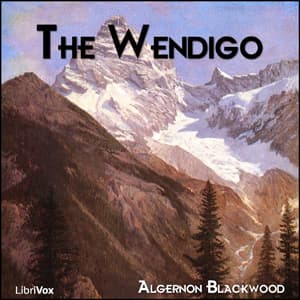
It's 11:30 PM. Lights off in my apartment—standard operating procedure for The Witching Hour research—and Shirley (my cat, not the author, though the confusion is intentional) is staring at a corner of the ceiling like she sees a ghost. I'm queuing up Algernon Blackwood's The Wendigo.
Blackwood is foundational. We're talking the guy H.P. Lovecraft fanboyed over. The Wendigo is supposed to be the pinnacle of wilderness horror—the idea that nature isn't just indifferent, it's actively hungry. I poured a glass of red, settled in, and waited to be terrified.
And... well.
Look, I finished it. It's only two hours long. But did I turn the lights on because I was scared? No. I turned them on because I was struggling to stay awake. And that is a crime against horror.
When the Story Screams but the Narrator Whispers
Here's the thing about Blackwood—he writes this dense, suffocating atmosphere. He does something similar in Camp of the Dog, though that one leans more supernatural mystery than pure terror. He describes the smell of the moose, the crunch of the snow, the psychological unraveling of men in the deep bush. Heavy stuff. It requires a narrator who can chew on that scenery and spit out dread.
Amy Gramour... has a very nice voice. Seriously. It's crisp. It's clear. Her diction is better than mine on my best day at the library reference desk.
But that's the problem. It sounds like a reference desk reading.
When a character is literally being dragged into the sky by a mythological entity, screaming in terror, the narration stays at this polite, conversational volume. Flat. Monotone. I'm sitting there gripping my wine glass, waiting for the panic to hit my ears, and instead I'm getting a bedtime story for people who hate emotions.
Horror is about dynamics. You need the quiet moments hushed and the loud moments frantic. Here, everything is just... medium. It flattens the terror. Turns "cosmic dread" into "mild inconvenience."
The "Classic" Baggage
(A quick side note because we have to address it—this book is over 100 years old. The portrayal of Indigenous folklore and the French-Canadian guide, Défago, is... of its time. And by that, I mean it's got some cringey stereotypes. If you're sensitive to that, fair warning. It's baked into the text.)
Gramour's pronunciation of some of the French names and terms threw me off a bit, too. Not terrible, but just enough to be a speed bump. Every time I started getting immersed in the bleak Canadian landscape, a weird inflection would snap me back to my living room.
Shirley, for the record, fell asleep ten minutes in. She's a harsh critic, but she wasn't wrong this time.
The Verdict
I wanted to love this audio experience. I really did. The source material is legendary for a reason—Blackwood captures the "uncanny" better than almost anyone. That same command of dread shows up in classic horror like Six Creepy Stories by Edgar Allan Poe—though Poe's narrators tend to bring more unhinged energy to the table. The concept of the Wendigo calling your name from the wind? Terrifying.
But this specific production? It's background noise.
If you want to know what happens in The Wendigo without actually reading the text, this will get the information into your brain efficiently. Clean audio, competent delivery. But if you want to feel the cold in your bones and look over your shoulder? Skip this narration. Read the physical book in the dark instead. Or find a narrator who isn't afraid to scream a little.
Who should listen: Completists who need every Blackwood story checked off, or folks who want a low-stakes intro to the plot. Who should skip: Anyone chasing actual scares—this production won't deliver them.