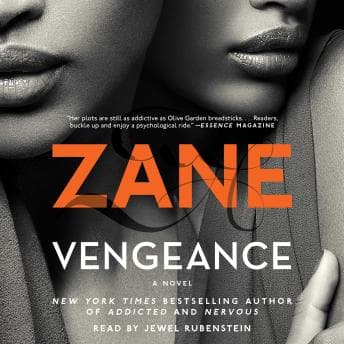

I was sitting at my dining table at 11:15 PM, surrounded by a sea of terrible 11th-grade essays on The Crucible. I simply could not read one more sentence about John Proctor's reputation. I needed a break from Puritan guilt. I needed something loud, messy, and modern.
So I put on Zane. (My mother, who thinks The Sound and the Fury is light reading, would absolutely faint if she saw my listening history right now.)
I went into Vengeance expecting, well... vengeance. I was hoping for a modern-day Count of Monte Cristo situation—you know, the wronged protagonist returns with a new identity to systematically destroy their enemies. We love that trope. It's classic. And Caprice Tatum (aka "Wicket," the pop star persona) definitely has the Edmond Dantès setup. She's got the fame, the money, and the traumatic past.
But here's the thing—and my students hate when I say this about their creative writing—pacing is everything.
The "Count of Monte Cristo" Problem
If you're here for a fast-paced thriller where the bad guys get picked off one by one in satisfyingly gruesome ways, you might want to adjust your expectations. This isn't Kill Bill. It's more like... Kill Bill if The Bride spent six hours in therapy before buying a sword.
Caprice spends a lot of time in her own head. Like, a lot. The description promises a "thrilling erotic novel," and while the Zane trademark heat is there (yes, I blushed while grading; no, I will not elaborate), the narrative drags its feet. There were moments walking the dog where I found myself checking the time remaining. I wanted her to stop agonizing and start plotting. Black Beauty actually handles internal suffering with better pacing, which is wild to say about a horse narrator from the 1800s. The psychological deep dive is valid—trauma is messy and doesn't follow a script—but as a listener, I was tapping my foot waiting for the other shoe to drop.
Jewel Rubenstein Does the Heavy Lifting
Rubenstein saved this for me. I couldn't find much of her other work, but she understands the assignment here. She has this warm, grounded delivery that keeps Caprice from sounding too melodramatic, which is a real risk with this kind of writing.
(Narrators who can handle internal monologue without putting you to sleep are rare. She's one of them.)
She manages the transition between "Wicket the Diva" and "Caprice the Broken Woman" with real skill. If the narration had been flat, I probably would've switched back to my budget meeting recordings (just kidding, I'd never do that). She gives the emotional scenes the weight they need, even when the plot is spinning its wheels.
Is It Actually Vengeance?
Here's my teacher take: The title is a bit of a misnomer. This feels more like a recovery memoir wrapped in thriller packaging. There's a heavy focus on therapy—Dr. Marcella Spencer gets a lot of page time—and healing. Which is great. Seriously. We love character growth. But if you sell me a book called Vengeance, I expect a little less talking and a little more... action.
It reminds me of when I assign Frankenstein and the kids are mad it's not just a monster smashing things. Except in this case, the marketing really does lean into the thriller angle.
Who's This Actually For?
If you want character drama and don't mind a slow burn—if you're genuinely interested in watching a traumatized woman work through her pain with a therapist before she gets to the payback—this is a solid listen. Skip it if you're looking for a high-octane revenge fantasy to power through a treadmill session. This one's too introspective for that.
Mr. Williams Wraps Up Class
I finished it, but I think I'm ready to go back to the classics now. Or at least something where the revenge happens before the epilogue.