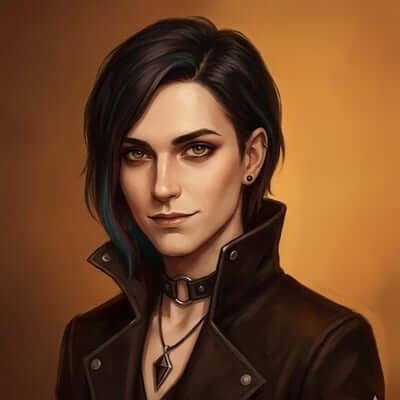
Everyone told me the TV show was better. Every single person. My podcast listeners, my coworkers, that one guy at the coffee shop who overheard me mention vampires. And look—I get it. The CW gave us Ian Somerhalder's Damon, and that's a hard act to follow. But I wanted to experience the source material. The original Elena. The 90s YA horror that Shirley Jackson walked so L.J. Smith could... well, jog.
I listened to this at 2 AM because that's when vampire stories deserve to be consumed. Shirley (my cat, not Jackson) was asleep on my chest, completely unbothered by my growing frustration. She's seen me through worse audiobook decisions.
The Ghost of Better Vampire Stories
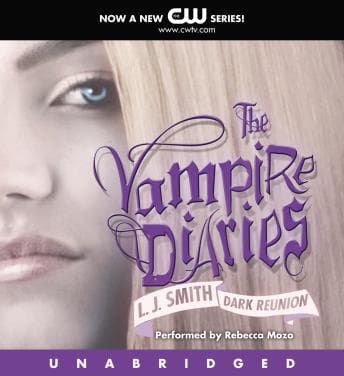
Here's the thing about Dark Reunion that nobody warned me about—Elena is dead. Like, actually dead for most of this book. She rises from the grave to reunite the Salvatore brothers against some new evil, which sounds metal as hell on paper. The concept understands that horror isn't about gore—it's about dread. About what comes back. About whether love transcends death or just haunts it. Sing, Unburied, Sing nails that kind of haunting—the way the dead refuse to stay buried, the way grief becomes its own kind of ghost.
But the execution? The pacing drags through mud. There are stretches where I genuinely forgot I was listening to a horror novel. The "new evil" they're fighting never quite lands with the weight it should. L.J. Smith was writing YA paranormal before it was a genre with rules, and sometimes that pioneering spirit means the storytelling feels... unfinished. Like a rough draft that got published because nobody knew what these books were supposed to be yet.
At seven hours, it's not a massive commitment. But it felt longer. Not in the delicious "I'm savoring this" way. More in the "are we there yet" way.
Rebecca Mozo's Vampire Problem
The listener reviews are all over the place on the narration, and I understand why.
Mozo has a voice that works for the genre. There's a breathiness to her delivery that suits supernatural romance. When she's doing emotional beats—Elena's longing, the tragedy of vampire existence—she commits. And commitment is rare. I appreciate that.
But.
She can't do the Salvatore brothers. Stefan comes out flat when he should be tortured and romantic. Damon—who should drip with deadly charm and sardonic wit—sounds almost indistinguishable from his brother. For a book that's literally about these two vampires teaming up, that's a problem. A big one. The sibling tension, the centuries of rivalry, the reluctant alliance? It all falls flat when you can't hear the difference between them.
Beyond the brothers, the character differentiation basically disappears. Bonnie, Meredith, the various humans caught up in vampire drama—they blend together. I found myself rewinding to figure out who was speaking. At 2 AM. When I should have been scared, not confused.
Who Should Brave This Darkness (And Who Should Run)
If you're a completionist who needs to experience the original Vampire Diaries before the show rewrote everything, this scratches that itch. If you have nostalgia for 90s YA horror and want to revisit it, the audiobook is... fine. Not great. Fine.
But if you're coming from the TV show expecting that level of character depth and romantic tension? Skip. If you need distinct character voices to follow a story with multiple speakers? Skip. If you scare easily and want something that'll keep you up at night? This isn't it. The horror elements are more conceptual than visceral.
My podcast listeners are going to be disappointed when I tell them this one's not making the recommendation list. I wanted to love it. I really did. The premise of Elena returning from death to save the brothers who loved her? That's gothic romance at its finest. But the audiobook production doesn't serve the material.
Stake Through the Heart, or Just a Splinter?
Dark Reunion is a historical artifact of YA paranormal fiction. It's interesting as a precursor to everything that came after—Twilight, the TV adaptation, the entire vampire romance boom of the 2000s. L.J. Smith was doing something before anyone else figured out how to do it well.
But as an audiobook experience in 2024? The narration undermines what should be the emotional core. The pacing needed an editor with sharper teeth. And the production—while clean—doesn't do anything special to elevate the material.
I finished it. Shirley woke up, judged me silently, and went back to sleep. Fair assessment, honestly.
If you're going to listen, bump the speed to 1.25x and treat it as background noise while you're doing something else. It doesn't demand—or reward—your full attention. And maybe check out the TV show instead. Everyone was right about that one.