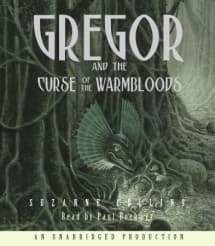

I was standing in my Cambridge kitchen, aggressively julienning carrots for a vindaloo, when Paul Boehmer told me a twelve-year-old boy was going to die. There's something profoundly jarring about preparing a comfort meal while listening to a child soldier prepare for his own execution. My therapist often tells me I seek out narratives that validate my anxiety. She might be onto something with this one.
The Psychology of a Child Soldier
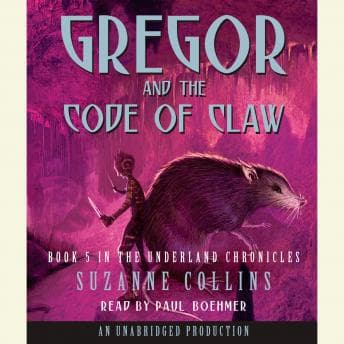
Let's get one thing straight: labeling this "Kids & Family" is a lie. This is a case study in PTSD wrapped in the guise of a fantasy about giant cockroaches and talking bats. Suzanne Collins—years before she traumatized Katniss Everdeen—was busy traumatizing Gregor. The same authorial instinct that makes The Hunger Games feel like a war document rather than a YA adventure is already fully operational here. As a researcher studying narrative identity, I'm fascinated by how Collins handles the "Prophecy of Time." She doesn't treat Gregor like a hero on a journey; she treats him like a conscript facing a firing squad. The psychological weight is immense.
The "burgeoning dark side" mentioned in the synopsis? That's not some mystical force. That's the fight-or-flight response stuck permanently in "fight." Visceral, ugly, and incredibly realistic. Most YA authors shy away from the actual cost of war—the numbness, the dissociation. Collins leans in. The code-breaking aspect isn't just a puzzle; it's a desperate scramble for survival that had me pausing my chopping knife in mid-air.
Paul Boehmer Doesn't Do Perky (Thank God)
If someone had narrated this with high-energy, Disney-channel enthusiasm, I would have thrown my phone into the stew. Boehmer's delivery is solemn—almost grave. It grounds the absurd fantasy elements into something that feels historically significant. When he voices the gnawers or the crawlers, it doesn't feel cartoonish; it feels biological.
He isn't perfect, though. There are moments where the minor characters bleed into each other—a bat sounds a bit too much like a human for a sentence or two. It happens. It's like when my mother confuses my name with my cousin's; the intent is clear even if the label slips. But in the moments that matter—specifically the final confrontation and the unraveling of the Code of Claw—Boehmer brings a heaviness that actually made my chest hurt. He respects the material enough not to melodramatize it. The sadness is enough on its own.
I noticed that same restraint in his narration of The Return—Boehmer seems constitutionally incapable of overselling grief, which is exactly the quality you want when the material earns its weight.Who This Is (and Isn't) For
If you think children's literature is just fluff, listen to this and report back. You'll be wrong, but I'd love to hear you admit it. Skip it if you need tidy resolutions or heroes who emerge unscathed—Gregor has a sewer and a prophecy that guarantees no happy ending. This feels less like a fantasy romp and more like a gritty war memoir dictated by a survivor.
My Prescription
Go listen. Just don't expect to sleep well afterwards.